Where Ecuador's Seafood Comes From Before It Reaches Your Plate
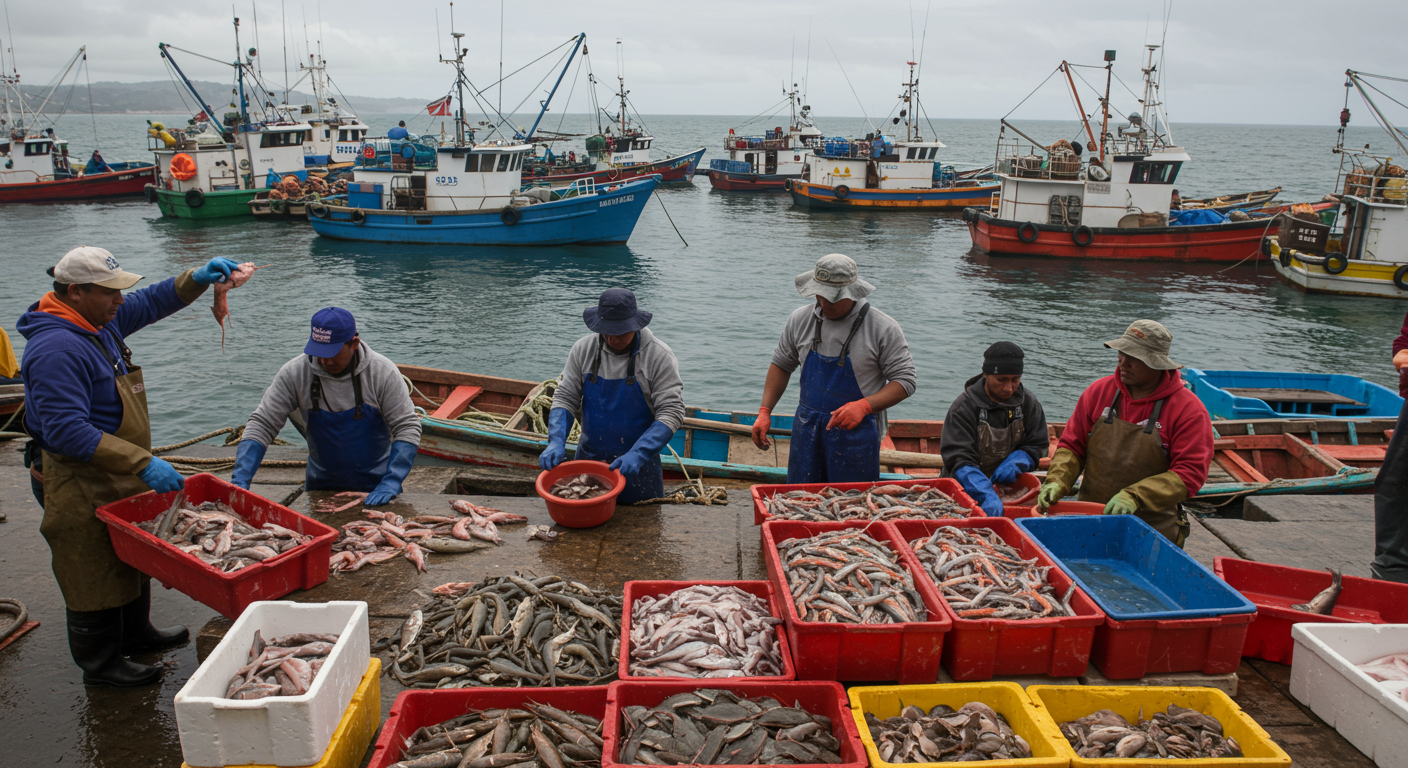
When you order fresh shrimp or grilled fish at a restaurant in Ecuador, that seafood has traveled through an intricate network spanning from Pacific waters to coastal farms to processing facilities before reaching your plate. Understanding this journey reveals how Ecuador has become one of South America's most significant seafood producers.
Ecuador's Ocean Waters: Where the Catch Begins
Ecuador's Pacific coastal waters provide some of the world's most productive fishing grounds, thanks to the convergence of warm and cold ocean currents. These unique conditions create an ecosystem rich in marine life, supporting both artisanal fishing communities and large commercial operations.
The fishing calendar follows distinct seasonal patterns that directly impact what appears on restaurant menus. Peak tuna season runs from May through October, while sardines are most abundant during the cooler months from June to November. Mahi-mahi and sea bass availability fluctuates based on water temperatures and migratory patterns.
Traditional fishing methods using small boats and nets continue alongside modern industrial fleet operations. Artisanal fishermen often target specific species for local markets, while larger vessels focus on volume catches destined for processing facilities and export markets.
The Shrimp Farming Empire: Ecuador's Aquaculture Success
Ecuador's coastal regions house thousands of shrimp farms that have transformed the country into a global aquaculture leader. According to the Food and Agriculture Organization, these operations span approximately 210,000 hectares along the coast, producing over 650,000 tons of shrimp annually.
Modern shrimp farming involves carefully controlled pond environments with monitoring systems for water quality, oxygen levels, and feed distribution. Farmers typically harvest shrimp after 90 to 120 days of growth, using techniques that maximize both yield and quality.
This success stems from decades of developing optimal farming practices suited to Ecuador's climate and coastal conditions. The industry has implemented biosecurity measures and sustainable practices to maintain production levels while addressing environmental concerns about coastal ecosystem impacts.
From Boats to Markets: The Seafood Supply Chain
Once caught or harvested, seafood enters a complex distribution network designed to maintain freshness during transport. Artisanal fishing cooperatives play a crucial role in collecting catches from small-scale fishermen and channeling them to local markets and restaurants.
Industrial processing facilities handle larger volumes, with flash-freezing operations that preserve seafood quality during storage and transportation. These facilities often operate around the clock to process catches immediately upon arrival from fishing vessels.
Cold storage networks extend throughout Ecuador, creating refrigerated corridors that transport seafood from coastal areas to inland cities like Quito and Cuenca. Specialized refrigerated trucks maintain precise temperature controls during these journeys, which can take 8 to 12 hours depending on the destination.
Local Markets and Distribution Networks
Traditional fish markets begin operations before dawn, with vendors receiving fresh deliveries and preparing displays for early morning customers. These markets serve both individual consumers and restaurant buyers who select ingredients for daily menus.
Many restaurants establish direct relationships with suppliers, including fishing cooperatives and processing facilities. This direct sourcing allows chefs to specify quality requirements and receive consistent supplies of preferred species.
Experienced buyers look for specific quality indicators: clear eyes in whole fish, firm texture in fillets, and bright color in shrimp. Pricing varies significantly based on seasonal availability, with popular species commanding premium prices during off-season periods.
Regulations and Sustainability in Ecuador's Fishing Industry
Government oversight through Ecuador's Ministry of Aquaculture and Fisheries establishes fishing quotas, seasonal restrictions, and licensing requirements for both artisanal and commercial operations. These regulations directly influence which species and quantities reach market at different times of year.
Certification programs have emerged to verify responsible sourcing practices, particularly for export markets but increasingly for domestic consumption. These programs track environmental compliance and labor practices throughout the supply chain.
Traceability systems now allow restaurants and consumers to verify the origin of their seafood, from the specific fishing area or farm to processing facility. This transparency supports both quality assurance and sustainability goals while helping diners make informed choices about their seafood consumption.
The next time you enjoy Ecuador's exceptional seafood, you're experiencing the culmination of this extensive network that brings ocean and farm products to your table while supporting thousands of workers throughout the country's coastal regions.