What to Look for in Krill Supplements: A Complete Buyer's Guide
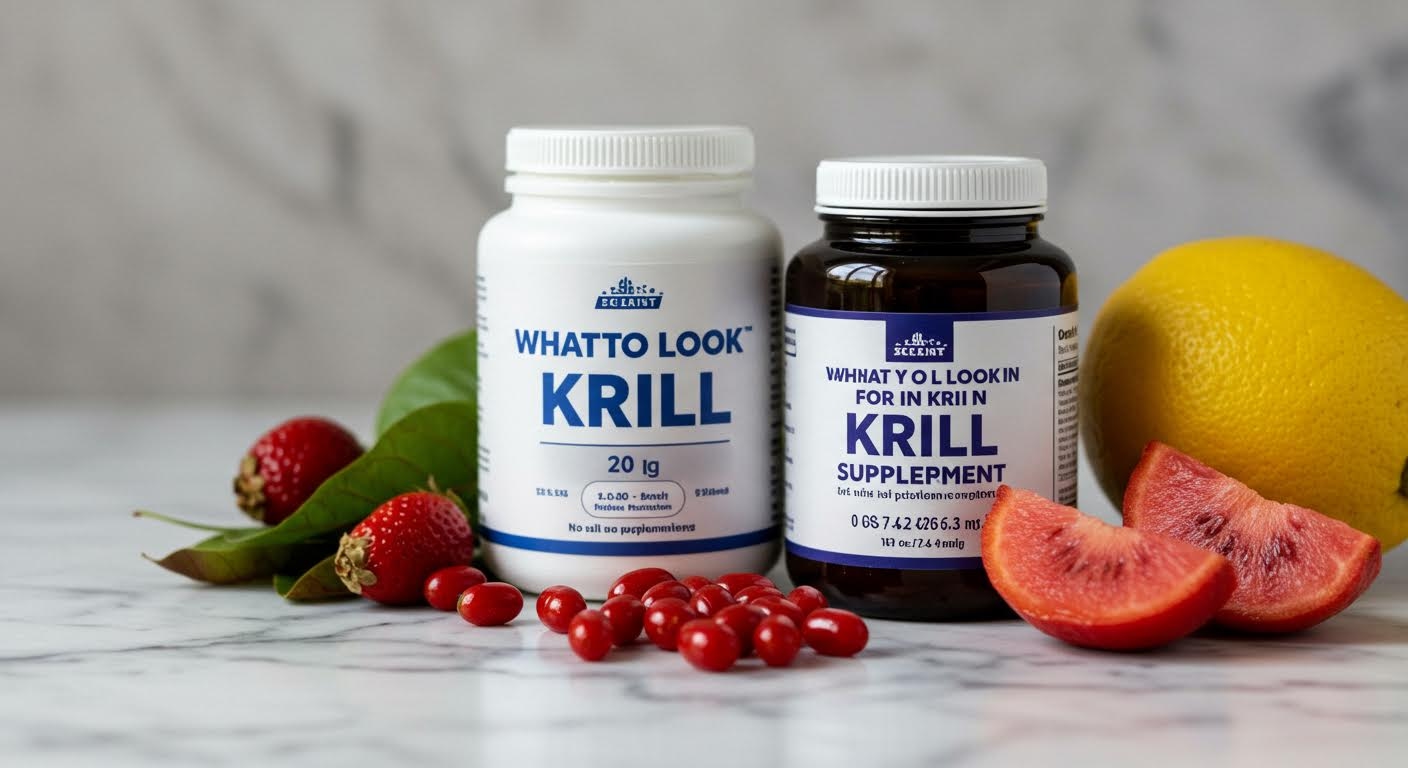
Krill supplements have gained popularity as an alternative to traditional fish oil, offering omega-3 fatty acids in a potentially more bioavailable form. However, with numerous products on the market, knowing what to look for can help you choose a high-quality supplement that meets your health needs and budget.
Essential Quality Markers in Krill Supplements
When evaluating krill supplements, start by examining the omega-3 content, specifically EPA (eicosapentaenoic acid) and DHA (docosahexaenoic acid) levels. Look for products that clearly state the amount of these active compounds per serving, as this varies significantly between brands.
Third-party testing certifications provide crucial quality assurance. Reputable supplements should display certifications from organizations like USP (United States Pharmacopeia), NSF International, or IFOS (International Fish Oil Standards). These certifications verify that the product contains what the label claims and meets purity standards.
Quality manufacturers provide certificates of analysis, which detail the specific testing results for each batch. This transparency allows you to verify the product's purity and potency. Additionally, ensure the supplement has been tested for contaminants including heavy metals like mercury and lead, as well as PCBs and other environmental pollutants.
Key Active Compounds to Evaluate
Beyond basic omega-3 content, examine the concentration and ratio of EPA to DHA. Different ratios may be beneficial for different health goals, so consider your specific needs when comparing products.
Many krill supplements also contain astaxanthin, a natural antioxidant that gives krill their reddish color. This compound may provide additional health benefits and can serve as a natural preservative, potentially extending the supplement's shelf life.
Consider the delivery form of the omega-3s. Krill oil naturally contains omega-3s in phospholipid form, which some research suggests may be more easily absorbed than the triglyceride form found in many fish oils. This structural difference is often cited as a key advantage of krill supplements.
Sustainability and Sourcing Standards
Responsible krill harvesting is essential for marine ecosystem health. Look for products certified by the Marine Stewardship Council (MSC), which ensures sustainable fishing practices and proper management of krill populations in Antarctic waters.
Quality manufacturers should provide information about their extraction methods and supply chain transparency. Eco-friendly processing methods that minimize environmental impact and maintain the oil's nutritional integrity are preferable.
Verify that the krill is sourced from well-managed fisheries with proper quotas and monitoring systems in place. This information should be readily available from reputable supplement companies.
Dosage Guidelines and Safety Considerations
The optimal dosage varies based on individual needs and health goals. The American Heart Association suggests that healthy adults consume at least two servings of fatty fish per week, equivalent to about 500mg of combined EPA and DHA daily. Consult with a healthcare provider to determine the appropriate dosage for your situation.
Be aware of potential drug interactions, particularly with blood-thinning medications like warfarin. Omega-3 supplements can enhance the effects of anticoagulants, potentially increasing bleeding risk.
If you have shellfish allergies, exercise caution with krill supplements. While krill are technically crustaceans rather than shellfish, some individuals with shellfish sensitivities may still experience allergic reactions.
Those with existing medical conditions or taking medications should consult their healthcare provider before starting any new supplement regimen, including krill oil.
Cost-Effectiveness and Value Assessment
When comparing prices, calculate the cost per milligram of combined EPA and DHA rather than simply comparing bottle prices. This provides a more accurate value comparison between different products and brands.
Consider the potential absorption advantages of krill oil when evaluating cost. If krill oil is indeed better absorbed than fish oil, you may need a lower dose to achieve the same benefits, potentially offsetting the higher per-bottle cost.
Factor in long-term supplementation costs when budgeting. If you plan to take krill supplements regularly, bulk purchasing or subscription services may offer cost savings, but ensure the product has adequate shelf life.
Compare krill supplements not only with other krill products but also with high-quality fish oil alternatives to determine the best value for your specific needs and budget.
Remember that the cheapest option isn't always the most economical if it lacks proper testing, certifications, or adequate omega-3 content. Investing in a quality supplement with verified purity and potency often provides better long-term value.