What "Food Quality" Really Means in Today's Grocery Stores
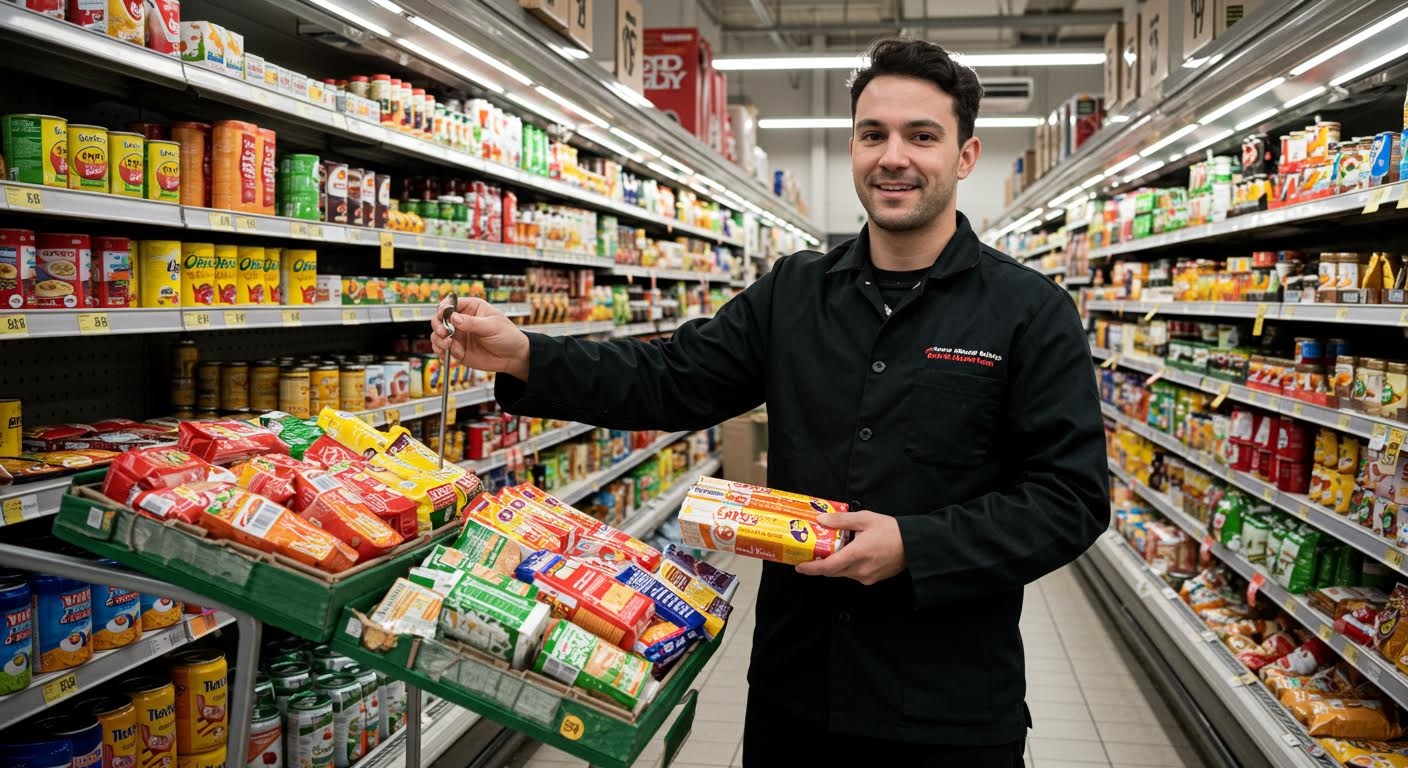
Walk down any grocery aisle and you'll see promises of quality everywhere. "Premium," "artisan," "farm-fresh" – the labels are endless. But what does "quality" actually mean when it comes to the food you're buying? The reality is more complicated than most shoppers realize, involving government regulations, industry standards, and marketing tactics that don't always match what you're looking for.
What "Quality" Officially Means (Hint: It's Not What You Think)
Here's the thing about government food quality standards: they focus on safety and consistency, not taste or nutrition. The FDA's main job is making sure your food won't make you sick and that labels tell the truth about what's inside. They're not rating whether that pasta sauce actually tastes good or if those crackers have decent nutritional value.
The USDA handles things differently, especially with meat. When they grade beef as Prime, Choice, or Select, they're looking at marbling patterns and color – factors that affect tenderness and cooking properties. But that Prime grade doesn't tell you anything about how the cow was raised, what it ate, or whether the meat will actually taste better to you.
This creates a big disconnect. Your food can pass every official quality test while still disappointing you on taste, nutrition, or values like environmental impact.
Cracking the Code: What Those Labels Actually Tell You
Let's decode some common quality signals you'll see in stores. That USDA Prime steak? It's got lots of marbling, which usually means tender and flavorful meat. But it doesn't guarantee the cow lived a good life or ate quality feed. Choice and Select grades have less marbling – they might be perfectly delicious, just different.
The nutrition panel can be your friend when you know how to read it. Higher protein content, reasonable sodium levels, and beneficial nutrients often indicate better ingredient selection and processing. But these panels won't tell you about farming practices or how heavily processed the food is.
Watch out for tricky terms. "Natural" sounds great but has almost no regulatory meaning – it's mostly marketing speak. "Organic" requires real certification, though it doesn't automatically mean better taste or nutrition. "Farm-fresh" could mean anything from yesterday's harvest to last month's production run.
Don't stress too much about expiration dates either. "Best by" means peak quality, not a safety deadline. Many foods stay perfectly good well past these dates. "Use by" is more serious – that's when safety becomes a concern.
What You Care About vs. What Gets Regulated
Most shoppers want food that tastes good, provides solid nutrition, comes from transparent sources, and isn't overly processed. Unfortunately, regulations barely touch these areas. Independent taste tests regularly show store brands beating expensive name brands, and sometimes the cheapest option is actually the best quality.
Price can fool you. That expensive marinara sauce might cost more because of fancy packaging and advertising, not better tomatoes. Meanwhile, the store brand next to it might be made in the same facility with a nearly identical recipe.
Speaking of store brands – they've seriously stepped up their game. Many are manufactured by the same companies making the name-brand versions, sometimes with identical formulations. You're often paying extra for the label, not better quality.
Your Quality Assessment Toolkit
Start with your senses. For produce, look for appropriate color, firm texture, and minimal damage. With meat, check for proper color and avoid packages with too much liquid or any off smells. Packaged goods should have intact seals and no damage or swelling.
When you can find sourcing information, use it. Products that tell you where they come from, name specific farms, or provide supply chain details often maintain higher standards throughout production. This transparency usually indicates a company confident in their quality.
Get to know your store's specialty staff. The person behind the meat counter or in the bakery often knows which products are freshest, how things are prepared, and what's worth buying. These relationships can give you insider knowledge that makes shopping much more effective.
Red flags to watch for: prices that seem too good to be true (or inexplicably high), vague labeling that doesn't tell you much, damaged packaging, and seasonal items that don't match the calendar.
Where Food Quality Is Heading
Consumer demand for transparency and sustainability is pushing changes throughout the food industry. Technology is making supply chain tracking possible, so you might soon know exactly where your food came from and how it got to your plate.
Grocery chains are creating their own quality standards that go beyond government requirements. They're using quality as a way to compete, addressing concerns about animal welfare, environmental impact, and processing methods that regulations don't fully cover.
The challenge is keeping quality improvements affordable. As standards evolve, maintaining access to good food across all income levels remains crucial for both stores and policymakers.
Understanding food quality means looking past the marketing and learning to evaluate what actually matters to you. Combine knowledge of official standards with hands-on assessment skills, and you'll make grocery decisions that align with your priorities and budget.