What Expats Get Wrong About Ecuadorian Food
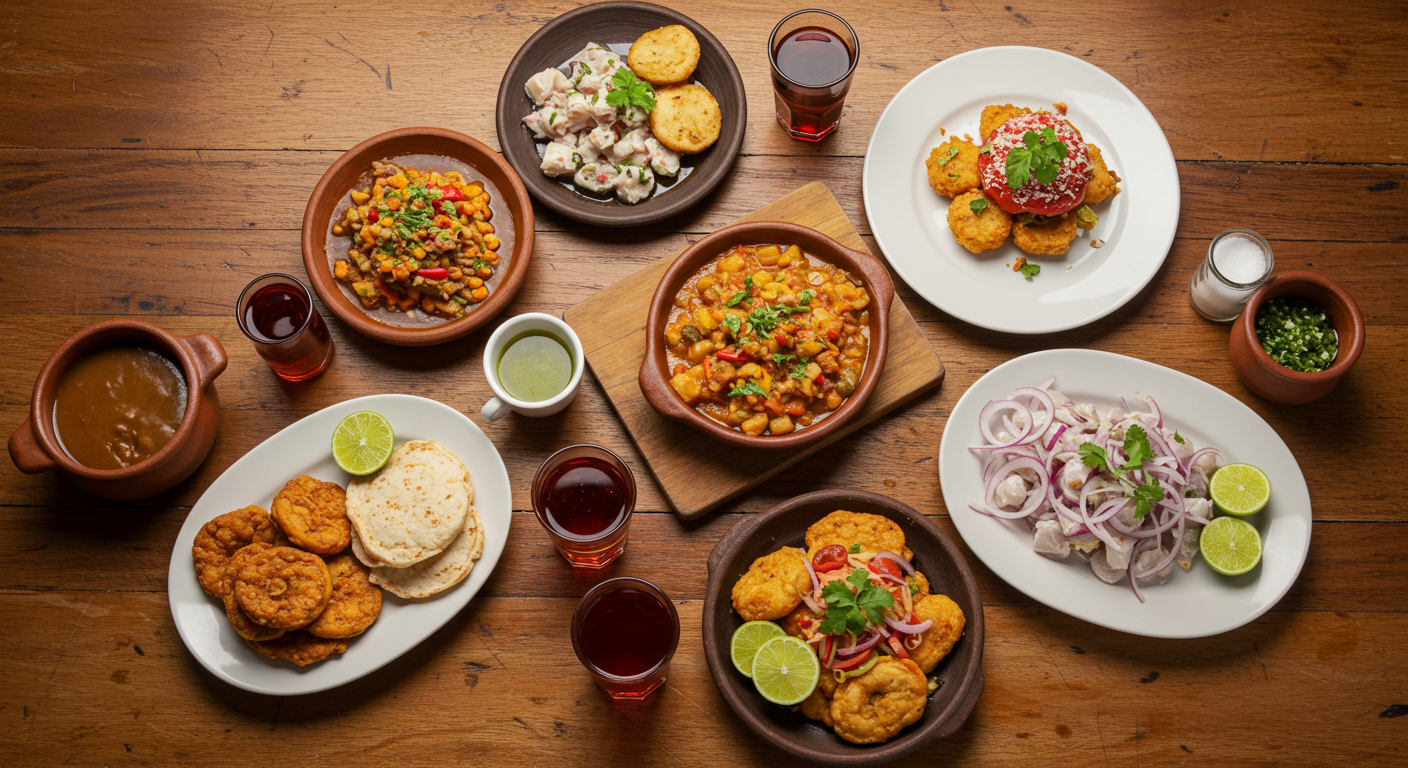
When you first arrive in Ecuador, your initial encounters with local cuisine often shape lasting impressions that can be surprisingly limiting. Many newcomers form opinions about Ecuadorian food based on tourist-friendly restaurants or quick street-side snacks, missing the incredible depth and diversity that defines this country's culinary landscape. These early experiences, while convenient, often represent just a fraction of what Ecuador has to offer gastronomically.
The problem isn't that expats lack curiosity about local food—quite the opposite. Most arrive eager to explore new flavors and dishes. However, several persistent misconceptions can prevent you from fully appreciating the sophistication and regional complexity of Ecuadorian cuisine. Understanding these common misunderstandings is your first step toward a richer, more authentic culinary experience.
Misconception #1: Ecuador Has One Unified Cuisine
Perhaps the biggest mistake expats make is treating Ecuadorian food as a single, homogeneous cuisine. In reality, Ecuador's dramatic geographical diversity creates distinct culinary regions, each with its own ingredients, techniques, and signature dishes. The coastal region, Andean highlands, and Amazon basin might as well be different countries when it comes to food traditions.
Along the coast, seafood dominates. Fresh fish, shrimp, and shellfish are prepared with coconut, plantains, and tropical fruits. The climate supports different crops and cooking methods than you'll find elsewhere in the country. Signature dishes like encebollado (fish stew) and bolón de verde (fried plantain balls) reflect the abundant marine resources and warm coastal environment.
Highland cuisine tells a completely different story. Here, hearty stews, grilled meats, and potato-based dishes reflect both the cooler climate and indigenous Andean traditions. Dishes like locro de papa (potato soup) and hornado (slow-roasted pork) showcase ingredients and techniques that have sustained mountain communities for centuries.
The Amazon region adds yet another layer of complexity, with ingredients and preparations that many expats never encounter during typical visits. Wild game, river fish, exotic fruits, and medicinal plants create a cuisine that's distinctly different from both coastal and highland traditions.
Too many expats generalize about Ecuadorian food based on exposure to just one region, or worse, based on restaurants that blend elements from different areas without context. This leads to confusion and missed opportunities to appreciate each region's unique culinary identity.
Misconception #2: Indigenous Ingredients Are Just 'Health Food Trends'
Many expats encounter indigenous Ecuadorian ingredients like quinoa, plantains, and yuca through the lens of international health food trends or upscale restaurants that market them as exotic superfoods. This modern framing, while positive in some ways, can obscure the deep cultural significance and traditional preparation methods that give these ingredients their authentic character.
Quinoa, for example, isn't just a protein-rich grain substitute—it's been a sacred food in Andean cultures for thousands of years. Traditional preparation methods and ceremonial significance give quinoa a cultural weight that goes far beyond its nutritional profile. When you encounter quinoa in westernized salads or smoothie bowls, you're missing the connection to indigenous foodways and time-tested cooking techniques.
Similarly, plantains and yuca serve fundamental roles in Ecuadorian cuisine that extend beyond their status as starchy sides. These ingredients form the backbone of countless traditional dishes, with preparation methods that have been refined over generations. The difference between a perfectly ripe plantain prepared according to family tradition and one treated as a generic banana substitute is substantial.
Understanding these ingredients in their authentic context requires moving beyond superficial health benefits to appreciate the cultural knowledge embedded in traditional preparations. This means learning from local cooks, understanding seasonal availability, and respecting the techniques that indigenous and mestizo communities have developed over centuries.
Misconception #3: Street Food Is Risky and Low-Quality
The assumption that street food represents a risky or inferior dining option causes many expats to miss some of Ecuador's most sophisticated and delicious culinary experiences. Ecuador's street food culture is highly developed, with vendors who often specialize in specific dishes and have built reputations over years or even decades of service.
Learning to identify safe, high-quality street vendors isn't difficult once you understand what to look for. Busy stalls with high turnover, clean preparation areas, and vendors who take pride in their presentation typically offer excellent food. Local crowds are usually the best indicator—if Ecuadorians are lining up, there's probably a good reason.
Popular street foods you should consider trying include empanadas de viento (cheese-filled pastries), llapingachos (stuffed potato patties), and various grilled meats and vegetables. Many street vendors have perfected recipes that rival or exceed restaurant quality, often at a fraction of the price.
Understanding local eating customs and timing also helps. Many street food vendors operate on schedules that reflect meal patterns and work rhythms that might differ from your expectations. Learning when and where locals eat can open up entirely new culinary possibilities.
Misconception #4: Ecuadorian Ceviche Is Like Mexican or Peruvian
If you're familiar with ceviche from other Latin American countries, you might approach Ecuadorian versions with preconceived expectations that prevent you from appreciating the unique characteristics of local preparations. Ecuadorian ceviche has its own distinct preparation methods, ingredients, and serving traditions that deserve appreciation on their own terms.
The most obvious difference is often in the preparation liquid and accompaniments. According to Food & Wine, Ecuadorian ceviche frequently incorporates different citrus combinations and may include ingredients like tomato sauce or mustard that would be unusual in other countries' versions. The texture and marination time can also vary significantly from familiar preparations.
Regional variations within Ecuador add another layer of complexity. Coastal ceviche differs from highland preparations, and different areas have their own signature ingredients and techniques. Some regions favor particular fish or shellfish, while others incorporate local fruits or vegetables that create entirely unique flavor profiles.
Rather than comparing Ecuadorian ceviche to other countries' versions, you'll benefit from approaching each preparation as a distinct culinary experience. This allows for genuine appreciation of local seafood traditions and the specific techniques that Ecuadorian cooks have developed for their available ingredients and climate.
Misconception #5: Tourist Restaurants Represent 'Real' Ecuadorian Food
Many expats form their understanding of Ecuadorian cuisine based on restaurants that cater primarily to international visitors. While these establishments often serve good food, they typically adapt traditional dishes to accommodate foreign palates, creating versions that may bear only superficial resemblance to authentic preparations.
Tourist-oriented restaurants often reduce spice levels, simplify complex flavor profiles, and substitute familiar ingredients for traditional ones. As Saveur notes in their Ecuador cuisine guide, these venues might also focus on dishes that photograph well or seem approachable to international diners, rather than showcasing the full range of local culinary traditions.
Authentic local establishments—comedores, family restaurants, and neighborhood favorites—operate according to different principles. They serve food that reflects genuine local tastes, seasonal ingredient availability, and traditional cooking methods. The atmosphere, service style, and even dining schedules often differ significantly from tourist-oriented venues.
Family recipes and traditional cooking methods play crucial roles in these authentic settings. Dishes might be prepared using techniques passed down through generations, with subtle variations that reflect individual family traditions or regional preferences. Building relationships with local food communities often requires patience and genuine interest in understanding rather than just consuming.
How to Eat Like a Local: Practical Tips
Discovering authentic restaurants requires strategies that go beyond online reviews or tourist guides. Ask locals for recommendations, but be specific about what you're looking for—mentioning particular dishes or types of establishments helps get better suggestions. Pay attention to where Ecuadorians actually eat, especially during lunch hours when locals are making their own dining decisions.
Understanding menu terminology and ordering customs prevents confusion and demonstrates respect for local dining culture. Many traditional establishments operate more informally than tourist restaurants, with daily specials that might not be written down or ordering procedures that assume familiarity with local customs.
Seasonal eating patterns and ingredient availability significantly influence authentic Ecuadorian cuisine. Learning to appreciate dishes when their primary ingredients are at peak freshness and availability provides insight into why certain preparations exist and how they've evolved over time.
Building cultural appreciation through food exploration takes time and genuine curiosity. The goal isn't just to try new dishes, but to understand the cultural context that gives them meaning. This might involve learning about agricultural cycles, regional history, indigenous traditions, or family customs that shape how and why people eat particular foods.
The most rewarding approach involves treating Ecuadorian cuisine as a window into the country's cultural diversity rather than simply as exotic dining options. Each dish, preparation method, and dining custom reflects aspects of Ecuadorian life that extend far beyond the plate, offering you opportunities for deeper cultural understanding and connection.