What Expats Get Wrong About Ecuadorian Food
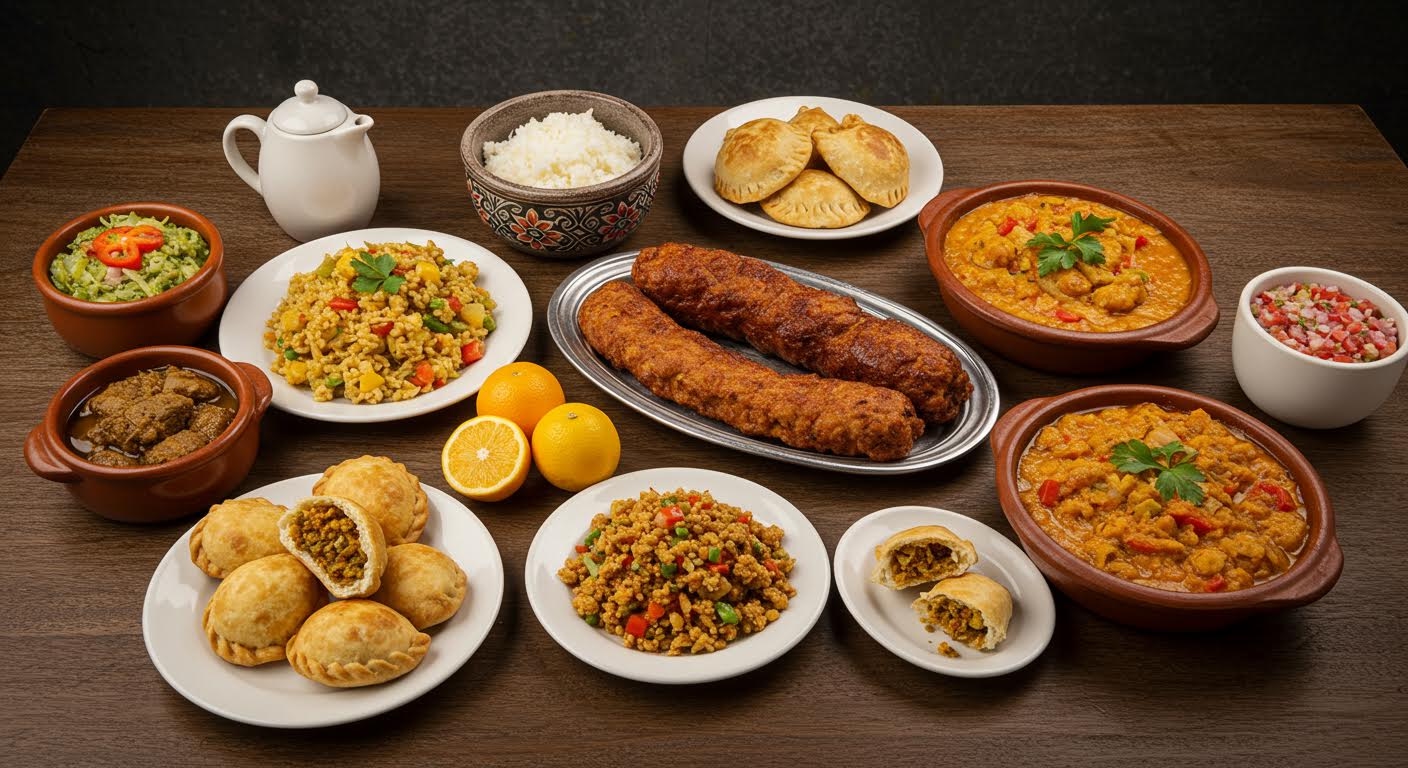
When you first arrive in Ecuador, it's tempting to judge the local cuisine based on what you find at gringo-friendly restaurants or quick lunch spots. But these surface-level experiences often lead to unfair generalizations about Ecuadorian food being "simple," "limited," or unsophisticated. The truth is, these snap judgments miss the extraordinary depth, regional diversity, and cultural complexity that make authentic Ecuadorian cuisine truly remarkable.
Understanding Ecuadorian food means stepping outside your comfort zone and recognizing that this cuisine represents thousands of years of indigenous knowledge, Spanish colonial influences, and distinct regional traditions. The misconceptions that follow usually stem from staying in the expat bubble rather than genuinely exploring Ecuador's incredible culinary landscape.
Misconception #1: Ecuador Has One Unified Cuisine
The biggest mistake expats make is treating Ecuadorian food like it's all the same. In reality, Ecuador's diverse geography creates three completely different food cultures: the coast (costa), the Andean highlands (sierra), and the Amazon basin (oriente).
Coastal cuisine revolves around incredibly fresh seafood, with ceviche preparations that are totally different from what you'll find in Peru. Ecuadorian ceviche uses lime juice and red onions, and comes with popcorn, plantain chips, or chifles on the side. The coast also gives us amazing dishes like encebollado (a hearty fish soup) and bollo de pescado (steamed fish wrapped in plantain leaves).
Highland cuisine reflects the dramatic Andean environment with an incredible variety of potatoes—Ecuador grows over 400 types—along with quinoa, beans, and corn prepared using techniques that predate the Spanish conquest. Dishes like locro de papa (creamy potato soup with cheese) and hornado (slow-roasted pork) showcase the sophisticated flavor development possible with what might seem like simple ingredients.
The Amazon region features ingredients and cooking methods that most expats never encounter, including river fish, plantains, yuca, and exotic fruits prepared with indigenous techniques passed down through generations.
Misconception #2: It's Just 'Simple' or 'Rustic' Food
Too many expats dismiss Ecuadorian cuisine as overly basic, completely missing the complex techniques and cultural knowledge behind traditional preparations. What looks "rustic" often represents sophisticated indigenous cooking methods perfected over centuries.
Take locro de papa, which might seem like basic potato soup if you don't know better. Traditional preparation involves selecting specific potato varieties, precise timing to achieve the perfect texture, and understanding exactly how to balance the cheese and milk to create that characteristic creamy consistency without losing the potato's natural earthiness.
Similarly, hornado requires mastering slow-cooking techniques, spice combinations, and timing that takes years to perfect. The pork gets seasoned with achiote, garlic, and cumin, then cooked slowly until the skin becomes perfectly crispy while the meat stays tender and juicy.
These dishes represent sophisticated flavor layering and serious technical skill that expats often miss when they're busy comparing everything to food from back home.
Misconception #3: Street Food and Markets Are 'Unsafe' or 'Lesser'
Many expats avoid local markets and street vendors because of safety concerns or assumptions about food quality, but this means missing the absolute heart of authentic Ecuadorian food culture. Markets are where traditional recipes are preserved and authentic ingredients are actually available.
Street vendors and market stalls often represent multi-generational family businesses where recipes and techniques get passed down directly from grandmother to granddaughter. These informal food spots frequently offer more authentic preparations than restaurants trying to cater to international tastes.
Learning to navigate local food scenes safely means understanding peak hours when turnover is high, watching how food gets prepared, and recognizing vendors that locals respect and frequent. Many traditional dishes are only available from specific vendors who specialize in particular preparations.
By avoiding these authentic food sources, you're limiting yourself to westernized versions of Ecuadorian dishes that don't represent the real cuisine at all.
Misconception #4: Traditional Proteins Are Just 'Novelty' Foods
When expats encounter traditional proteins like cuy (guinea pig), too many treat them as weird Instagram opportunities rather than understanding their deep cultural and spiritual significance within indigenous communities.
Cuy has been raised in the Andean region for over 5,000 years and holds important ceremonial value in many indigenous communities. It's typically reserved for special occasions, religious ceremonies, and important family gatherings, with preparation methods and presentation that follow specific cultural protocols.
Treating these foods as novelties or "weird" experiences shows a real lack of understanding about indigenous relationships with food. Traditional proteins connect communities to their ancestral heritage and agricultural practices that stretch back centuries.
Approaching these foods with genuine respect for their cultural context, rather than as curiosities to photograph or joke about, shows a much more mature understanding of Ecuadorian food culture.
Misconception #5: Ecuadorian Food Lacks Sophistication
The assumption that Ecuadorian cuisine lacks sophistication says way more about your limited exposure than about the actual complexity of the food culture. Indigenous ingredient knowledge in Ecuador spans centuries and includes understanding seasonal eating patterns, food preservation techniques, and the medicinal properties of various plants and preparation methods.
Traditional Ecuadorian cooking means understanding how altitude affects preparation, which varieties of ingredients work best for specific dishes, and how to balance flavors using indigenous herbs and spices like culantro, achiote, and various ají peppers.
Communal food traditions serve crucial social functions, bringing families and communities together around shared meals that reinforce cultural identity and social bonds. These traditions represent a sophisticated understanding of food's role that goes way beyond just nutrition.
Plus, modern Ecuadorian chefs are increasingly elevating traditional techniques and ingredients, creating innovative dishes that honor indigenous knowledge while appealing to contemporary palates.
How to Approach Ecuadorian Cuisine with Respect
Developing genuine appreciation for Ecuadorian cuisine requires approaching it with curiosity rather than comparison, and respect rather than judgment. Start by learning about regional differences before making any broad generalizations about "Ecuadorian food."
Seek out authentic preparation methods by visiting local markets, talking with vendors about ingredients, and asking Ecuadorian friends or colleagues about family food traditions. Understanding the cultural contexts behind traditional dishes adds incredible depth to your dining experiences.
Support local food traditions by choosing establishments that use traditional ingredients and preparation methods. This means picking locally-owned restaurants over international chains and being willing to try dishes prepared authentically rather than modified for gringo palates.
Most importantly, approach Ecuadorian cuisine as a student rather than a critic. Every traditional dish represents generations of cultural knowledge and adaptation to local conditions. By recognizing this sophistication and cultural depth, you'll develop a much richer understanding of your adopted country's incredible food heritage.