What Expats Get Wrong About Ecuadorian Food
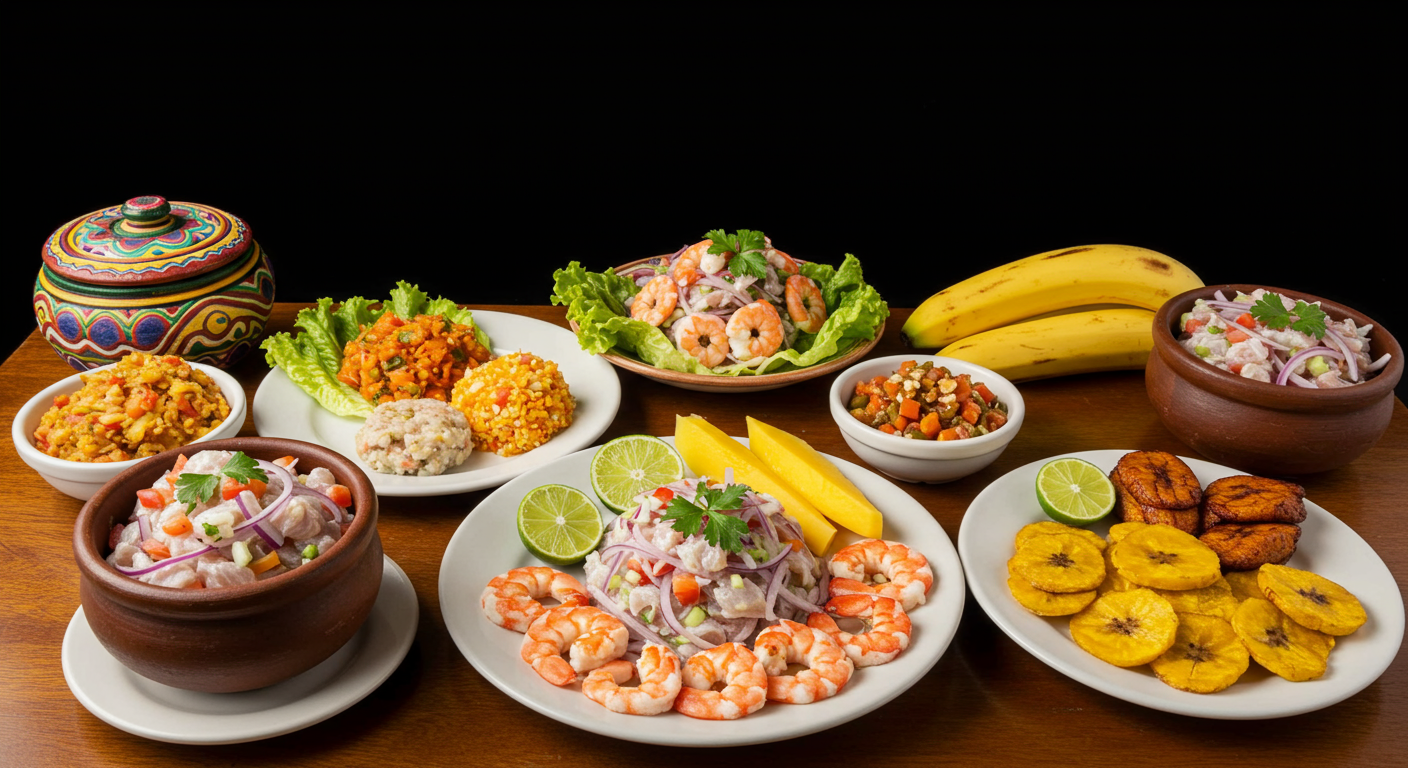
When expats first arrive in Ecuador, many fall into the trap of judging the country's cuisine based on a handful of tourist-friendly dishes or westernized versions served in expat neighborhoods. This narrow view leads to widespread misconceptions about what Ecuadorian food actually offers, causing newcomers to miss out on one of South America's most diverse and sophisticated culinary traditions.
The gap between what tourists eat and what locals enjoy daily is enormous in Ecuador. While visitors might encounter basic versions of llapingachos or pollo a la plancha, they're barely scratching the surface of a cuisine shaped by dramatic geography, ancient indigenous traditions, and centuries of cultural mixing.
Misconception #1: Ecuador Has One Unified Cuisine
Perhaps the biggest mistake expats make is assuming Ecuador has a single, unified food culture. In reality, the country's dramatic geographical diversity creates three distinct culinary regions, each with its own ingredients, techniques, and signature dishes.
The coastal region, with its tropical climate and Pacific access, centers around fresh seafood, coconut, plantains, and rice. Here you'll find dishes like encebollado (fish soup with yuca) and arroz con menestra, which would seem foreign to someone from the highlands. The coast's African influence, brought through the slave trade, adds another layer of complexity often overlooked by expats.
Highland cuisine, centered in the Andes, revolves around potatoes, corn, quinoa, and hearty stews designed for high-altitude living. Traditional dishes like locro de papa (potato soup with cheese) and hornado (slow-roasted pork) reflect the need for warming, substantial meals in the mountains.
The Amazon region offers perhaps the most unfamiliar cuisine to expats, featuring river fish, exotic fruits, and ingredients like chontacuros (palm weevil larvae) that showcase the rainforest's biodiversity. Many expats never venture beyond Quito or Guayaquil food scenes, missing entirely this third pillar of Ecuadorian cuisine.
Misconception #2: Indigenous Ingredients Are 'Weird' or Optional
Many expats dismiss or avoid indigenous ingredients, viewing them as exotic oddities rather than fundamental components of authentic Ecuadorian cooking. This attitude prevents them from understanding how the cuisine actually works and what makes it distinctive.
Quinoa, now trendy worldwide, has been a staple protein source in Ecuador for thousands of years. But expats often encounter it only in health food stores or tourist restaurants, missing how it's traditionally prepared in soups, stews, and as a rice substitute in family meals.
The country grows over 400 varieties of native potatoes, yet most expats know only the standard white potatoes available in supermarkets. Purple potatoes, yellow papas chaucha, and other varieties each bring unique flavors and textures that define regional dishes.
Perhaps most controversial is cuy (guinea pig), which many expats find shocking but represents an important protein source with deep cultural significance, especially in highland communities. While expats don't need to embrace every traditional protein, understanding their cultural role helps appreciate the cuisine's complexity.
Misconception #3: Ecuadorian Food Is Simple or Unsophisticated
The assumption that Ecuadorian cuisine lacks sophistication reveals a fundamental misunderstanding of how traditional dishes are constructed. What appears simple on the surface often involves complex layering of flavors and time-intensive preparation techniques.
Take locro de papa, which expats might dismiss as "just potato soup." Traditional preparation involves multiple potato varieties, each contributing different textures, combined with sofrito (sautéed onions, garlic, and cumin), fresh cheese, and avocado. The timing of when each ingredient is added, how long the potatoes are cooked to achieve the right consistency, and the balance of seasonings require real skill.
Seco de cabrito (cilantro-braised goat) demonstrates even more complexity. The meat is marinated, then slow-braised with chicha de jora (corn beer), while the sauce combines cilantro, spinach, and beans in proportions that vary by family and region. The result is a dish with layers of flavor that took generations to perfect.
The influence of Spanish colonization, combined with indigenous techniques and later immigrant communities (Chinese, Lebanese, Italian), creates flavor profiles that are far from simple. Many traditional dishes represent centuries of cultural fusion and refinement.
Misconception #4: Street Food and Markets Are Unsafe or Low-Quality
Fear of street food and local markets causes many expats to miss the most authentic and delicious aspects of Ecuadorian cuisine. While food safety concerns aren't entirely unfounded, blanket avoidance means missing where locals actually eat and shop.
Ecuador's street food culture is vibrant and varied, from coastal cities serving fresh ceviche from mobile carts to highland towns offering grilled choclo (corn) and habas (fava beans). These vendors often specialize in one or two items, perfecting their recipes over years or decades.
Local markets provide the most authentic culinary experiences, where ingredients are at their freshest and prices reflect what locals actually pay. The central markets in cities like Cuenca, Otavalo, and Ambato offer prepared foods that represent true regional cuisine, not tourist adaptations.
Smart expats learn to identify busy stalls with high turnover, observe what locals are eating, and start with cooked foods served hot. Building relationships with vendors over time provides access to the best ingredients and insider knowledge about seasonal specialties.
Misconception #5: Western Eating Patterns Apply
Many expats struggle with Ecuadorian meal timing and portion expectations, trying to impose familiar eating patterns instead of adapting to local customs. This cultural disconnect limits their ability to fully experience Ecuadorian food culture.
In Ecuador, almuerzo (lunch) is traditionally the main meal of the day, often served between noon and 2 PM. This isn't just a larger lunch—it's a complete meal with soup, a main course with rice and protein, and often includes a small dessert or drink. Dinner tends to be lighter and later, sometimes just bread, cheese, and coffee.
The social aspect of dining is equally important. Meals are community events, often shared family-style with multiple generations present. Expats who eat alone or rush through meals miss the conversational and relationship-building aspects that are central to Ecuadorian dining culture.
Understanding these patterns helps expats time their restaurant visits better, appreciate why some establishments close in the afternoon, and participate more naturally in social dining situations.
How to Eat Like a Local: A Guide for Expats
Breaking free from these misconceptions requires intentional effort and cultural curiosity. The most successful approach involves gradually expanding comfort zones while building relationships with locals who can provide guidance and context.
Start by venturing beyond expat neighborhoods and tourist zones. Ask Ecuadorian friends or colleagues for restaurant recommendations, specifically requesting places where they take their families rather than where they take foreign visitors. These spots often offer more authentic food at better prices.
Each region has essential dishes worth trying. In the coast, seek out encebollado, bollo de pescado, and fresh mariscos. Highland specialties include fritada, yahuarlocro, and hornado. Amazon cuisine offers maito (fish wrapped in leaves), chontacuros, and exotic fruit preparations.
Building relationships with market vendors, neighborhood restaurant owners, and local families opens doors to authentic experiences that most expats never discover. Accept invitations to family meals, ask questions about ingredients and preparation methods, and show genuine interest in learning about food traditions.
The key is approaching Ecuadorian cuisine with respect and curiosity rather than judgment. What initially seems foreign or challenging often becomes familiar and beloved with time and repeated exposure. Expats who make this effort discover that Ecuador offers one of South America's most rewarding and diverse culinary landscapes.