What Expats Get Wrong About Ecuadorian Food
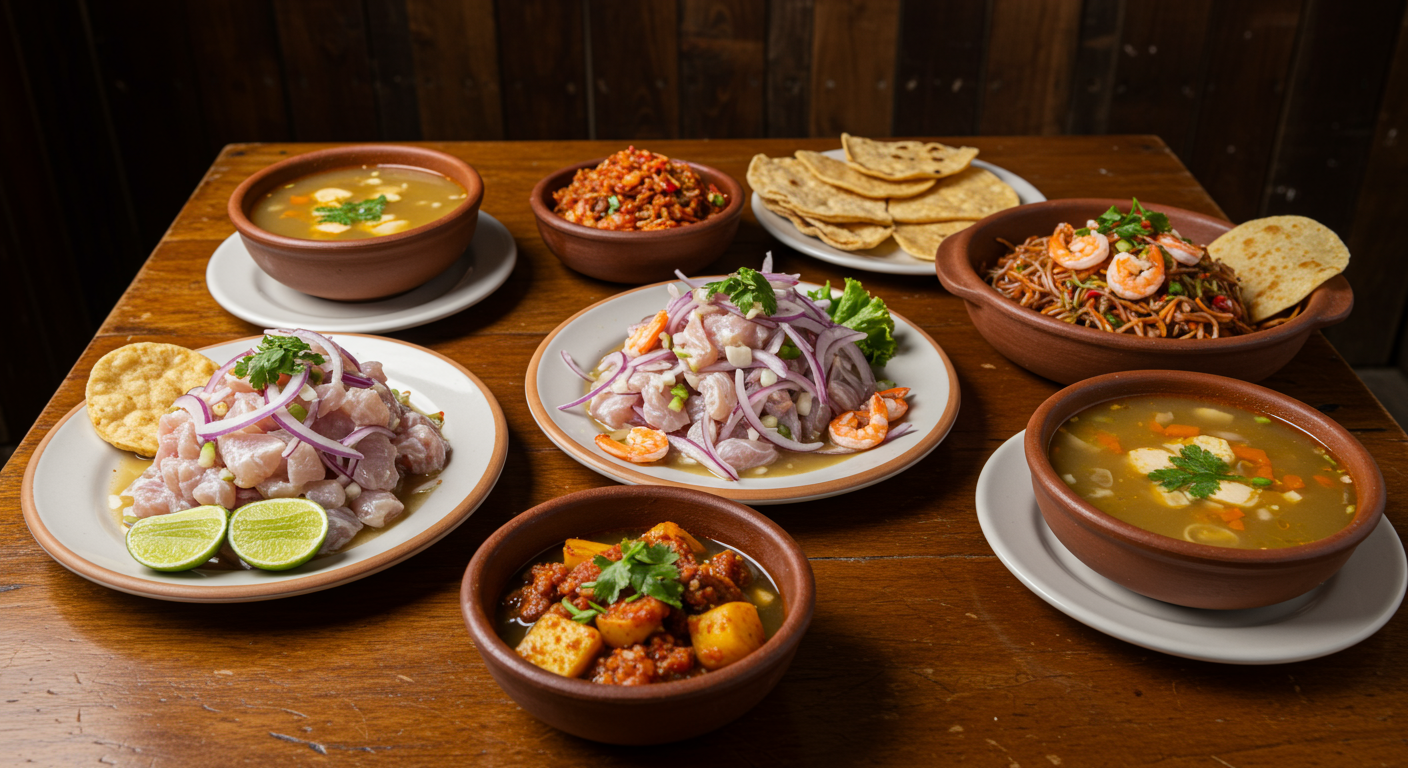
One of the most common expat mistakes in Ecuador is deciding too quickly that the country’s food is repetitive, bland, or somehow less interesting than other Latin American cuisines. Usually, that reaction says more about expectations than it does about the food itself.
A lot of the misunderstanding starts with comparison. Newcomers often expect Ecuadorian food to resemble Mexican food, or they assume there is a single style of “Latin” cooking that should show up everywhere. But Ecuadorian cuisine is shaped by geography, climate, ingredients, and local habits. It is regional, practical, and far more varied than a quick look at a lunch menu might suggest.
Why so many expats misread Ecuadorian food
For many foreigners, first encounters with Ecuadorian food happen in everyday lunch spots, not destination restaurants. That matters. Daily meals here often emphasize value, routine, and familiarity over spectacle. If someone judges the entire cuisine based on a few set lunches, they can miss the bigger picture.
Ecuadorian food also resists easy categorization. Coastal dishes, highland cooking, Amazon ingredients, and island influences do not collapse neatly into one national flavor profile. Understanding the food means looking beyond first impressions and asking where a dish comes from, how it is usually eaten, and which ingredients matter in that region.
Mistake #1: Treating Ecuadorian cuisine as one single food culture
Ecuador may be a relatively small country, but its food changes dramatically by region. On the Coast, seafood, green plantain, peanuts, and coconut can play leading roles. In the Highlands, potatoes, corn, pork, cheese, and hearty soups are central to many classic meals. In the Amazon, cassava, river fish, and distinct local preparations reflect a very different food environment.
That regional diversity is the starting point for understanding Ecuadorian food. Someone who dislikes one style of dish in Cuenca or Quito may still love what they find in Guayaquil, Manabí, or the Oriente. Broad judgments often happen because people sample too narrowly and then assume they have seen the whole picture.
Mistake #2: Assuming it is just rice, meat, and a few repetitive plates
Yes, many everyday meals include rice, some kind of protein, and a practical structure built for lunch. But reducing Ecuadorian cuisine to that formula ignores a wide range of soups, stews, seafood dishes, corn-based foods, plantain preparations, roasted meats, and street snacks.
Consider the variety in even a short list of familiar dishes: bolón made from green plantain, encebollado with its deeply rooted coastal identity, Ecuadorian ceviche in its own local style, llapingachos built around potato, hornado with slow-roasted pork, and fritada with its rich highland tradition. These are not interchangeable plates. They reflect different ingredients, textures, techniques, and eating contexts.
What can look simple at first often opens up once you explore beyond the most obvious menu items. The cuisine includes crunchy, starchy, brothy, roasted, pickled, mashed, grilled, and slow-cooked traditions that reveal far more range than the stereotype allows.
Mistake #3: Expecting Ecuadorian food to taste like Mexican food
This is one of the biggest expectation traps. People who arrive wanting bold chile heat, tortilla-centered meals, or the flavor structure they associate with Mexican cuisine often end up disappointed for the wrong reason. Ecuadorian food is not trying to be Mexican food.
The staples are different, and so is the balance of flavors. Corn matters in Ecuador, but it appears in different forms. Plantain plays a larger role in many regions. Potatoes are essential in the Highlands. Cassava appears more strongly in some parts of the country. Seafood traditions on the Coast follow local preferences, not an imported pan-Latin template.
There are similarities across Latin America, of course, but similarity is not sameness. Expecting one national cuisine to satisfy cravings for another is a reliable way to misunderstand both.
Mistake #4: Underestimating the importance of soup
Expats who come from places where soup is a starter or a cold-weather extra can be surprised by how central it is in Ecuador. Here, soup is often not an afterthought. It can be the emotional center of a meal, especially at lunch.
Locro de papa is an easy example. It is comforting, filling, and rooted in highland ingredients and habits. But it is hardly the only case. Across Ecuador, soups help define daily eating, seasonality, and home-style cooking. They carry memory and routine in ways outsiders may not notice if they are focused only on what counts as the “main course.”
If you ignore soup, you miss a major part of how many Ecuadorians actually eat.
Mistake #5: Reading mild flavors as blandness
Not every cuisine is built around high heat in the main dish. In Ecuador, spiciness is often separated from the base preparation. Ají is frequently added at the table, allowing each person to season to taste. That is not a flaw in the food. It is part of how many dishes are meant to be eaten.
Milder flavor does not automatically mean empty flavor. Fresh herbs, starch-and-protein balance, acidity, onion, cheese, peanut, pork fat, seafood depth, and long-cooked bases all contribute to the final experience. The goal is often harmony rather than intensity for its own sake.
For newcomers, this can require a reset. If your only test for flavor is whether a dish arrives already spicy, you may overlook the actual structure of the meal and the role of customization at the table.
Mistake #6: Confusing simplicity with lack of sophistication
Some expats assume that if a dish looks rustic or straightforward, it must be unsophisticated. That is a narrow way to think about food. Culinary sophistication does not appear only in elaborate plating or long ingredient lists.
In Ecuador, sophistication often shows up in continuity, place, and technique. It can be found in knowing exactly which potato works best for a certain soup, how plantain should be handled at different stages of ripeness, how pork is seasoned and cooked in a particular town, or how a regional dish balances texture and acidity. Those details are easy for outsiders to miss because they are woven into ordinary life rather than presented as luxury.
Tradition-driven food can look humble and still carry deep cultural knowledge. That is especially true in a country where geography has shaped local cooking so strongly.
A better way for expats to approach Ecuadorian food
The easiest way to understand Ecuadorian cuisine is to stop looking for one representative meal. Try dishes from different regions. Order the soup. Ask whether something is coastal, highland, or Amazonian. Find out what starch anchors the plate, what sauce or ají usually accompanies it, and whether it is everyday food or a specialty.
It also helps to replace quick judgment with curiosity. Instead of asking why a dish is not more like something from somewhere else, ask what need it is meeting locally: climate, ingredient availability, tradition, comfort, cost, or celebration.
Expats who make that shift usually discover that Ecuadorian food is not hard to appreciate. It simply asks to be understood on its own terms. Once you stop expecting a generic “Latin” cuisine and start paying attention to culture and geography, the food becomes much richer and much more memorable.