Venezuela's Pabellón Criollo Knocks Out Ecuador's Encebollado in Ibai Llanos' Online Food World Cup
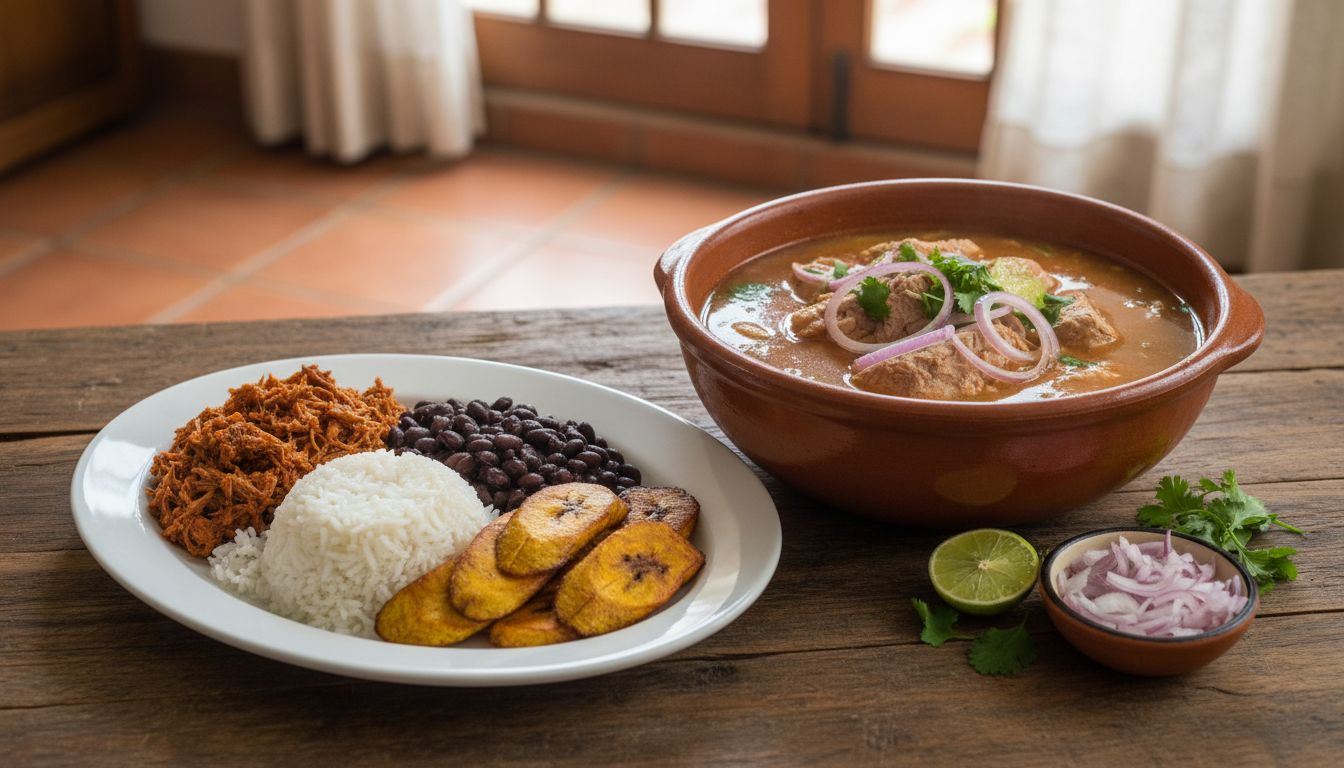
Venezuela's Pabellón Criollo Advances Past Ecuador's Encebollado in Ibai Llanos' Food World Cup
A fan-voted online tournament called the 'Mundial de Comidas 2026,' organized by streamer Ibai Llanos and run across TikTok, Instagram, and YouTube, has produced its latest upset. Many observers following the bracket note that Venezuela's pabellón criollo defeated Ecuador's encebollado in the semifinal round, according to results published by the tournament organizer, Mundial de Comidas.
The organizer's published figures put the final tally at approximately 2.3 million votes (2,308,000) for pabellón criollo versus roughly 1.5 million (1,511,400) for encebollado. These numbers come directly from the tournament's own reporting rather than an independently audited count, and coverage across Ecuadorian and Venezuelan outlets has generally converged on similar figures.
Breaking Down the Vote: Platform-by-Platform Results
According to the organizer's breakdown, TikTok accounted for the widest gap, with roughly 1.36 million votes for pabellón criollo compared to 836,000 for encebollado. On Instagram, pabellón criollo reportedly drew about 928,000 votes to encebollado's 672,000. YouTube contributed a comparatively minor share for both dishes, with 16,000 votes for pabellón criollo and 3,400 for encebollado.
It's worth noting these platform-by-platform totals are organizer-reported data. No independent audit of the vote counts has been cited in the coverage reviewed, so the figures are best understood as tournament-published results rather than externally verified statistics.
How Each Country Framed the Outcome
Ecuadorian outlets, including Primicias and Ecuavisa, largely emphasized the strength of domestic digital mobilization, describing massive support from the Ecuadorian public that ultimately fell short of advancing encebollado to the final. A recurring theme in this coverage is a narrative of near-success — a close, hard-fought effort that came up just short.
Venezuelan coverage, including reporting from Primicia, framed the result as a celebratory national advancement, treating pabellón criollo's win as a point of pride heading into the final. Across both countries' reporting, journalists leaned on sports-style competitive language — terms like "semifinal," "eliminated," and "advancing to the final" — to describe what is, at its core, a social-media popularity contest rather than a formal culinary competition.
What's Next: Venezuela Heads to the Final Against Peru
With the semifinal decided, Venezuela's pabellón criollo is set to face Peru's ceviche in the tournament final, according to El Universo. Peru advanced after its ceviche defeated Argentina's asado in the other semifinal matchup. The 'Mundial de Comidas 2026' bracket reportedly involved sixteen national dishes in total, making this final the culmination of several rounds of public voting.
Context: A Recurring Social-Media Food Tournament Format
This isn't Ibai Llanos' first foray into food-based bracket tournaments. In September 2025, his 'Mundial de Desayunos' pitted breakfast dishes against one another, with Peru's pan con chicharrón reportedly beating Venezuela's arepa reina pepiada by a narrow margin. Taken together, these tournaments suggest the format has become a recurring entertainment tradition rather than a one-off event, drawing sustained engagement from audiences across Latin America.
As with the breakfast edition, all vote counts for the 'Mundial de Comidas 2026' trace back to the organizer's own published data rather than an independently verified source. Readers should treat the specific figures as tournament-reported results reflecting a social-media voting contest, not as audited or scientifically validated data.