The Truth About Processed Foods in Ecuador: What You Need to Know
Ecuador's Food Processing Revolution: What's Really Happening
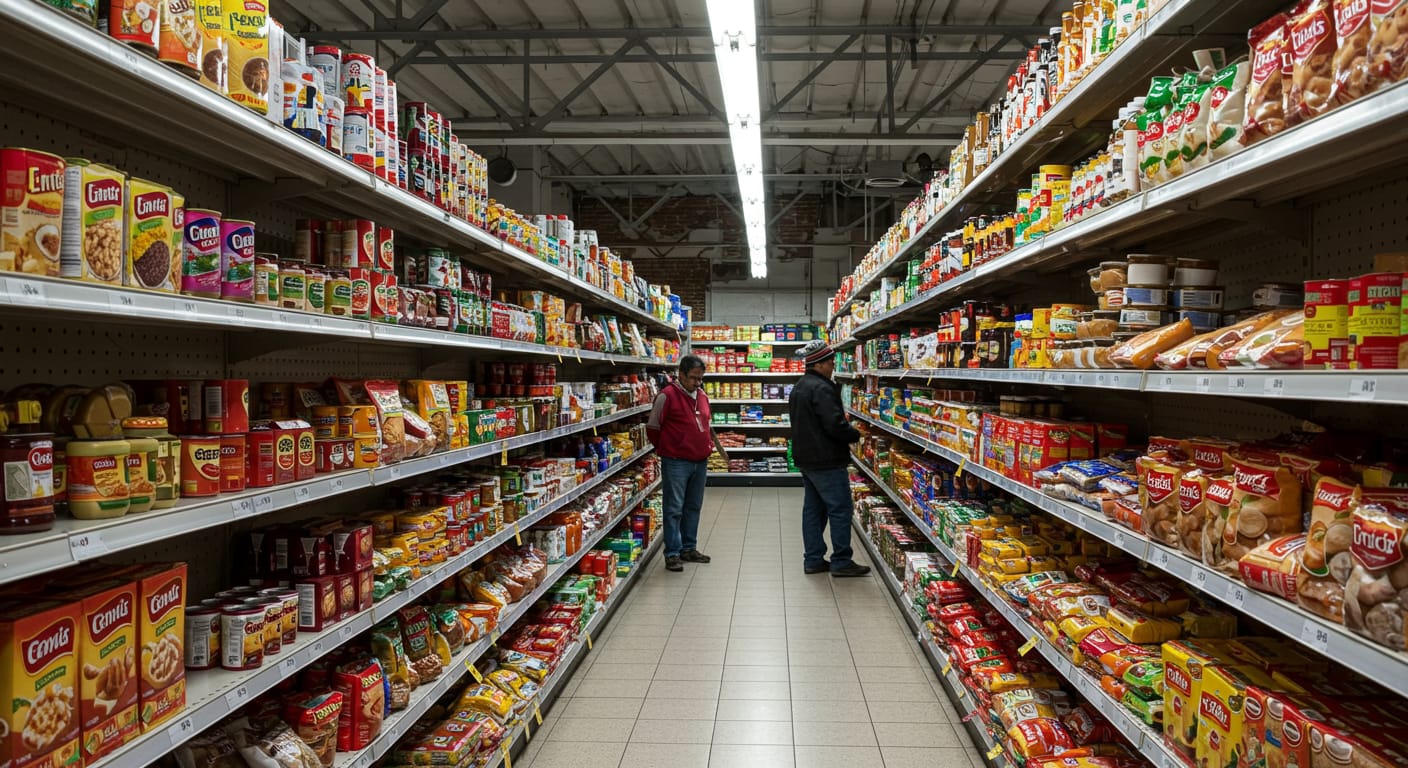
Walk into any Ecuadorian supermarket today, and you'll notice something striking: shelves packed with processed foods that weren't there a generation ago. Ecuador's food landscape has transformed dramatically, with packaged, convenient alternatives increasingly replacing traditional diets rich in fresh produce, grains, and locally-sourced ingredients.
This shift reflects a broader nutritional transition happening across Latin America. But here's what makes Ecuador different: the country isn't just watching these changes happen—it's responding with some of the most progressive food policies in the region. Health authorities have launched innovative initiatives to help citizens navigate this new food environment and make better choices for their families.
The Traffic Light System: Ecuador's Bold Labeling Initiative
Ecuador has pioneered something remarkable in food policy: a mandatory traffic light labeling system that makes processed food content impossible to ignore. Every packaged food item must display clear, color-coded warnings that instantly show you what you're really buying.
Here's how it works: red means high levels of sugar, salt, or fat; yellow indicates moderate levels; and green signals low levels. No more squinting at tiny nutrition labels or trying to decode ingredient lists. If you see red warnings covering the front of a package, you know you're looking at an ultra-processed food that could impact your health if eaten regularly.
The response has been encouraging. Studies show Ecuadorian shoppers are more aware of what they're buying than ever before. The system has become so successful that other Latin American countries are adopting similar approaches, making Ecuador a regional leader in transparent food labeling.
Who's Watching What We Eat: Regulatory Oversight
Behind Ecuador's food safety efforts are two key players: AGROCALIDAD (Agencia de Regulación y Control Fito y Zoo Sanitario) and the Ministry of Health. These agencies work together to establish food safety regulations and ensure companies actually follow the labeling rules.
They don't work alone, though. Ecuador draws guidance from international organizations like the Food and Agriculture Organization and the Pan American Health Organization, which help provide regional context and proven strategies for managing processed food consumption.
The challenge? Ensuring every food manufacturer and importer consistently follows the rules. While the framework is strong, enforcement remains an ongoing effort across Ecuador's diverse food industry.
From Traditional to Processed: Ecuador's Dietary Shift
The numbers tell a clear story: Ecuadorians are eating differently than their parents and grandparents did. Traditional staples like quinoa, plantains, fresh vegetables, and locally-caught fish are increasingly sharing plate space with packaged, shelf-stable alternatives.
The change looks different depending on where you live. Urban families tend to rely more heavily on processed foods—longer work hours, smaller kitchens, and easier access to supermarkets make packaged options attractive. Rural communities still maintain stronger connections to traditional food sources, though this is gradually changing as processed foods become more widely available.
Economics play a big role too. When you're juggling work and family responsibilities, processed foods often seem more affordable and convenient than planning, shopping for, and preparing fresh meals from scratch.
The Health Reality: What Studies Show
The Pan American Health Organization has documented concerning links between processed food consumption and rising obesity rates in Ecuador. The country has seen significant increases in diabetes, cardiovascular disease, and obesity, particularly in cities where processed foods are most prevalent.
Ecuador is experiencing what health experts call a "double burden" of malnutrition—some populations still struggle with undernutrition while others face obesity-related health challenges. This creates complex demands on Ecuador's public health system, requiring resources for both treating chronic diseases and addressing nutritional gaps.
The long-term implications are serious: increased healthcare costs and the need for expanded treatment capacity for conditions that are largely preventable through dietary changes.
Consumer Awareness: Are Ecuadorians Getting the Message?
Food and nutrition topics are everywhere in Ecuadorian media these days. Newspapers, TV programs, and social media regularly feature discussions about making healthier food choices. Health authorities run educational campaigns to help people understand food labels and develop better eating habits.
But awareness doesn't always translate to behavior change. Younger consumers often understand processed food issues better but may still choose convenience over nutrition due to busy lifestyles. Older generations might prefer traditional foods but sometimes lack information about how to use the new labeling systems effectively.
Real barriers persist: cost concerns, time constraints, and limited access to fresh alternatives, especially in urban areas where processed options dominate grocery stores and convenience shops.
What This Means for Dining in Ecuador
Whether you're living in Ecuador or visiting, these trends have real implications for your dining experiences. Many restaurants, particularly in cities, increasingly use processed ingredients to manage costs and kitchen efficiency.
Want to find healthier options? Look for establishments that emphasize traditional Ecuadorian cuisine and advertise fresh, local ingredients. Markets and smaller, family-run restaurants often provide better access to minimally processed foods. When grocery shopping, use Ecuador's traffic light labeling system to your advantage—those color-coded warnings make it easy to identify better choices among packaged foods.
The outlook is encouraging. As consumer education expands and regulatory oversight strengthens, Ecuador's innovative approach may become a model for other countries facing similar nutritional challenges. The country is proving that governments can take meaningful action to help citizens navigate an increasingly complex food environment.