The Truth About Processed Foods in Ecuador
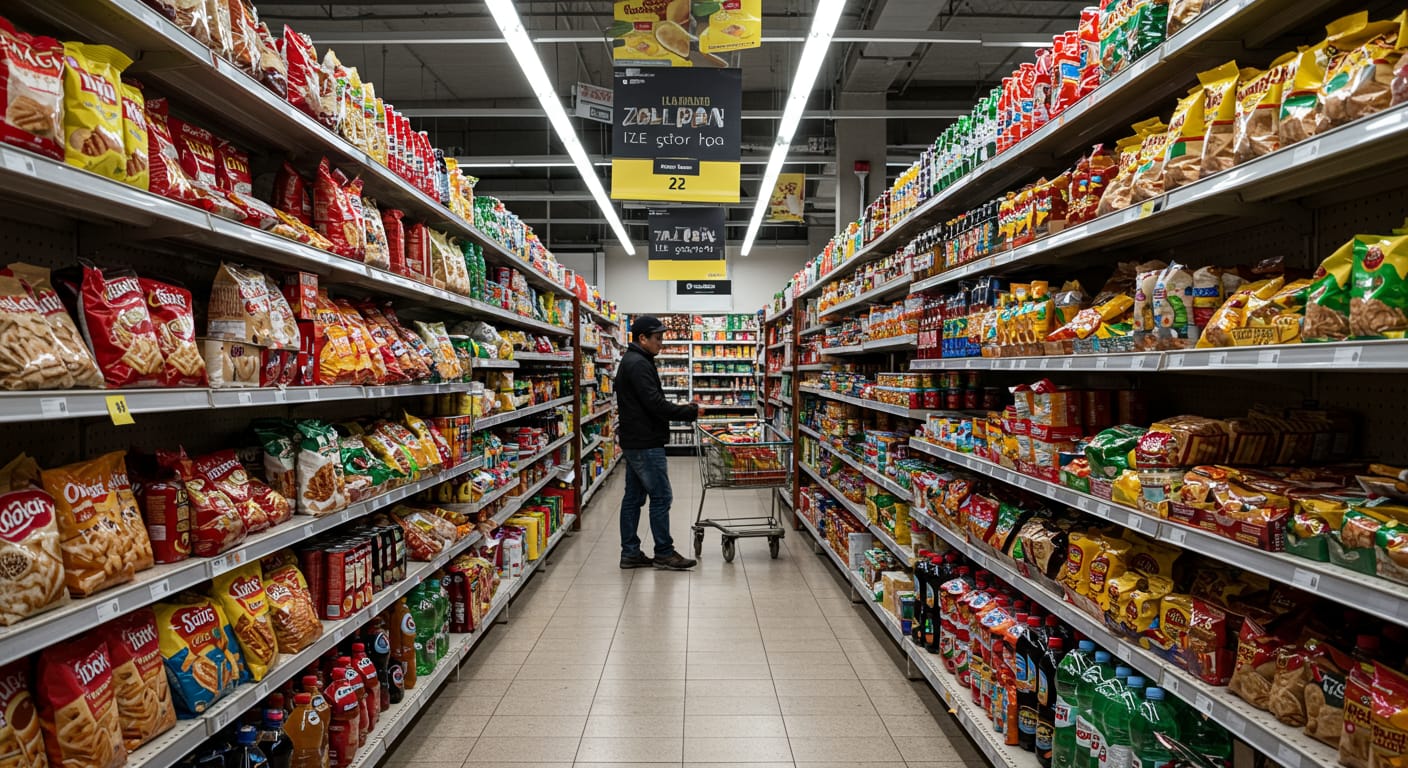
The phrase processed food is often used as if it describes a single problem. In reality, it covers a wide spectrum. Freezing vegetables, pasteurizing milk, milling oats, fermenting yogurt, and canning beans all count as forms of processing. So do packaged snacks, sugary drinks, and heavily formulated convenience foods.
That distinction matters. The real question is usually not whether a food was processed at all, but what happened during processing. Were large amounts of salt, sugar, or fat added? Were fiber and other nutrients stripped away? Or was the food simply made safer, more practical, or easier to store?
For readers in Ecuador, this is less about avoiding all processed foods and more about making smarter everyday choices at the supermarket, in neighborhood shops, and when eating out.
Why “processed food” is not one simple category
Some processed foods remain close to their original form. Frozen vegetables, plain yogurt, canned tuna, oats, and pasteurized milk are common examples. These products can save time, reduce food waste, improve food safety, and still fit comfortably into a balanced diet.
Other products are much more engineered for taste, shelf life, and convenience. They often contain longer ingredient lists and may include added sugars, excess sodium, refined starches, flavor enhancers, and industrial fats. Treating all of these foods as if they were the same only creates confusion.
A more useful question is this: did this food become more helpful, or less helpful, to an overall healthy eating pattern?
Myth: All processed foods are bad for you
This is one of the most common nutrition myths. Many processed foods can be practical and nutritious. Plain yogurt provides protein and beneficial bacteria. Canned beans offer fiber and plant protein. Frozen vegetables can be a reliable option when fresh produce is expensive, seasonal, or less convenient. Oats and pasteurized milk are also processed foods, but few people would put them in the same category as soda or candy.
Processing can also improve safety and access. Pasteurization lowers the risk of harmful microbes. Canning and freezing help preserve food longer. For busy households, these options may make it easier to prepare meals at home instead of relying on less balanced last-minute choices.
The main concern is not processing by itself. It is whether a product is heavily altered and packed with ingredients that push the diet toward too much salt, sugar, and unhealthy fat.
Reality: The biggest concern is often ultra-processed products
Guidance from the World Health Organization and the Pan American Health Organization emphasizes limiting nutrients that are commonly overconsumed in modern diets, especially free sugars, sodium, saturated fats, and trans fats. Many ultra-processed products are major sources of those ingredients.
These foods often come in packages with strong convenience claims and broad flavor appeal, but they may offer little fiber, few vitamins, and limited overall nutritional value. Common examples include sugary drinks, packaged sweets, instant snack foods, processed desserts, and some ready-to-eat meals with long ingredient lists.
That does not mean every packaged product is equally problematic, and it does not mean one meal will ruin a healthy diet. A more balanced view is that foods high in added sugar, sodium, and unhealthy fats deserve more caution, especially when eaten frequently and in large portions.
What this means in Ecuador
Ecuador is not unique in facing this issue. Like many countries in the region, shoppers and diners increasingly move between traditional foods, fresh market ingredients, restaurant meals, and heavily marketed packaged products. That means the same basic nutrition questions apply locally: what is in the food, how often is it eaten, and what does it replace in the overall diet?
In practical terms, this matters both at home and when eating out. A bowl of menestra with beans, rice, and a simple protein is very different from a meal built around sugary drinks, fried sides, and packaged desserts. Likewise, a breakfast of fruit, eggs, and plain yogurt creates a very different nutritional pattern from one dominated by sweet pastries and sweetened beverages.
Ecuadorian consumers also benefit from paying attention to official nutrition and labeling guidance from public-health institutions. Local context matters, but the core message remains consistent with broader regional guidance: the goal is not to fear all processed foods, but to choose them more carefully.
How to shop and eat out more wisely
One of the simplest habits is to compare labels before buying packaged items. Look for products with less added sugar, less sodium, and shorter ingredient lists when possible. If the first few ingredients are sugar, refined flour, or multiple forms of sweeteners and fats, that is a good reason to pause.
It also helps to build meals around less processed basics: beans, lentils, eggs, fish, fruit, vegetables, whole grains, potatoes, corn, dairy, and simple staples with recognizable ingredients. Convenience foods can still have a place, but they work best as additions rather than the foundation of the diet.
When dining out, pay attention to the items that can quietly overload a meal: oversized portions, sugary drinks, salty sauces, creamy dressings, fried sides, and desserts that turn an occasional treat into a daily habit. Choosing water more often, sharing large portions, adding vegetables, and favoring grilled or stewed dishes over heavily fried options can make a meaningful difference.
A better question than “processed or not?”
In the end, “Is it processed?” is usually too blunt a question. A better one is: does this food support a healthy pattern of eating most of the time?
That shift in mindset helps cut through food fear and marketing confusion. Some processed foods are useful, safe, and nutritious. Others are better treated as occasional products rather than daily staples. Frequency, portion size, and nutritional quality matter more than a simple label.
For people in Ecuador trying to eat well at home or while dining out, the takeaway is straightforward: not all processed foods are equal, and informed choices are better than blanket rules.