The Role of Local Farms in Ecuador's Food Supply
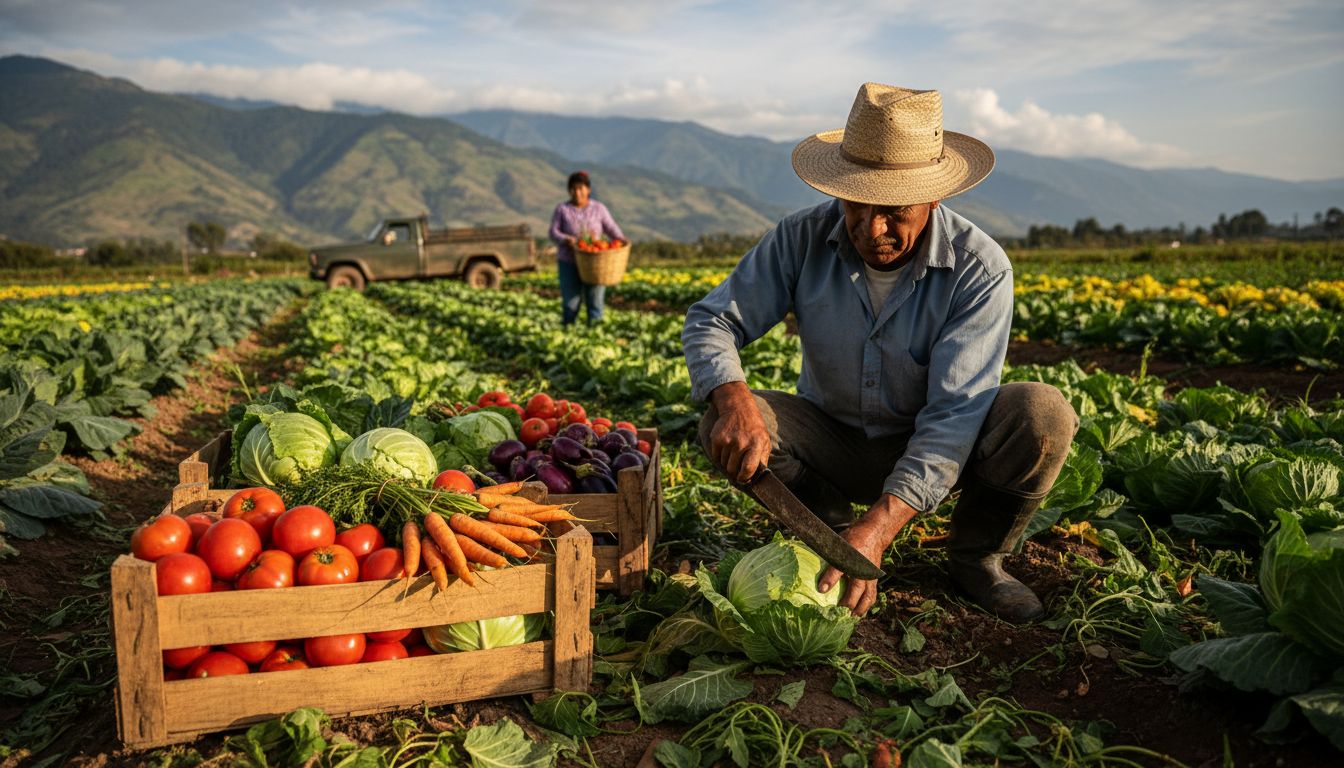
The Role of Local Farms in Ecuador's Food Supply
Ecuador's relationship with food begins long before a dish reaches a restaurant table. Across the country's coastal lowlands, Andean highlands, and Amazon basin, a network of small and mid-sized farms forms the backbone of the national food system. Understanding this network offers insight into why Ecuador's dining culture increasingly celebrates fresh, locally grown ingredients.
Ecuador's Agricultural Landscape: An Overview
Agriculture remains a significant pillar of Ecuador's economy, employing a substantial share of the rural workforce and contributing meaningfully to national output. The sector is characterized by a notable contrast: numerous small-scale family farms operate alongside larger commercial operations geared toward export crops like bananas, cacao, and shrimp.
This duality shapes how food moves through the country. Small farms tend to focus on staples and produce destined for domestic consumption, while larger operations often prioritize international markets. Ecuador's geographic diversity further enriches this picture. The coastal region supports tropical fruits, rice, and cacao; the highlands are suited to potatoes, corn, and dairy farming; and the Amazon region contributes cassava, plantains, and other tropical staples. This variety gives Ecuadorian cuisine its regional distinctiveness and ensures a broad base of domestically produced ingredients.
From Field to Table: How Local Farms Feed the Nation
Local farms supply a wide range of everyday foods, including fresh produce, grains, dairy products, and staple crops that form the foundation of Ecuadorian diets. These products typically move through a mix of distribution channels, from traditional open-air markets and municipal mercados to wholesale distributors that supply supermarkets, restaurants, and institutional buyers.
This domestic supply chain plays an important role in food security. By meeting much of the demand for everyday staples through local production, Ecuador reduces its reliance on imported goods for many basic food categories. Shorter supply chains can also mean fresher products reaching consumers and businesses, including the restaurants that make up the country's dining sector.
Policy and Institutional Support
Government and international institutions play a role in supporting and monitoring Ecuador's agricultural sector. Ecuador's Ministry of Agriculture and Livestock, known as MAGAP, oversees agricultural policy, including programs intended to support farmers, promote productivity, and address rural development needs.
Separately, Ecuador's national statistics agency tracks data on agricultural production and food distribution trends, offering a broader view of how the sector evolves over time. International organizations such as the Food and Agriculture Organization and the World Bank are also engaged in Ecuador, contributing to food security initiatives and providing economic context relevant to agricultural policy and rural livelihoods. The FAO, in particular, has highlighted the importance of smallholder farms to the country's long-term food security. Together, these institutional efforts shape the environment in which local farms operate.
Farm-to-Table Culture in Ecuador's Dining Scene
In recent years, Ecuador's dining scene has shown growing interest in sourcing ingredients directly from local producers. Many restaurants, particularly in cities like Quito, Cuenca, and Guayaquil, have built menus around seasonal and regionally available ingredients, highlighting a connection between the farm and the plate.
Chefs in these farm-to-table arrangements often work directly with small producers, creating relationships that support local agriculture while offering diners fresher, more traceable ingredients. This approach also allows restaurants to emphasize regional culinary identity, showcasing ingredients unique to the coast, highlands, or Amazon. Consumer interest in freshness and local provenance appears to be a contributing factor in this trend, as diners increasingly value knowing where their food comes from.
Challenges and Opportunities for Local Farms
Despite their importance, small-scale producers in Ecuador face real challenges. Limited access to financing, transportation infrastructure, and consistent market channels can make it difficult for smaller farms to scale production or reach new customers, including restaurants seeking reliable suppliers.
At the same time, there are opportunities for growth. Sustainable farming practices, improved market access, and stronger links between producers and the dining industry could help small farms become more resilient and economically viable. As interest in farm-to-table dining continues, there is potential to strengthen the relationship between Ecuador's agricultural base and its culinary sector, benefiting both producers and consumers.
Ultimately, the connection between local farms and Ecuador's food supply reflects a broader story about regional diversity, food security, and evolving culinary values. As this relationship continues to develop, it will likely remain a meaningful part of how the country eats, cooks, and dines out.