The Rise of International Cuisine in Cuenca, Ecuador
The Rise of International Cuisine in Cuenca, Ecuador
Cuenca, Ecuador is a historic Andean city long defined by its traditional Ecuadorian and Cañari culinary heritage. Dishes rooted in generations of local practice have shaped the city's identity as much as its colonial architecture and cobblestone streets. In recent years, however, Cuenca's food scene has entered a period of visible transition, with international dining options appearing alongside long-established local fare. This shift has coincided with steady growth in the city's expatriate population and an expanding tourism sector, both of which have played a role in diversifying what and where residents and visitors choose to eat.
The Expat Influx as a Culinary Catalyst
Cuenca has built a reputation as one of South America's most popular retirement and expatriate destinations, drawing a steady stream of residents from North America and Europe. This demographic shift has gradually influenced local dining demand, as newer residents bring preferences shaped by cuisines from their home countries. At the same time, growing tourism traffic has reinforced the need for a broader range of dining options, as visitors seek both authentic local experiences and familiar international choices during their stays.
A Global Menu: The New International Options
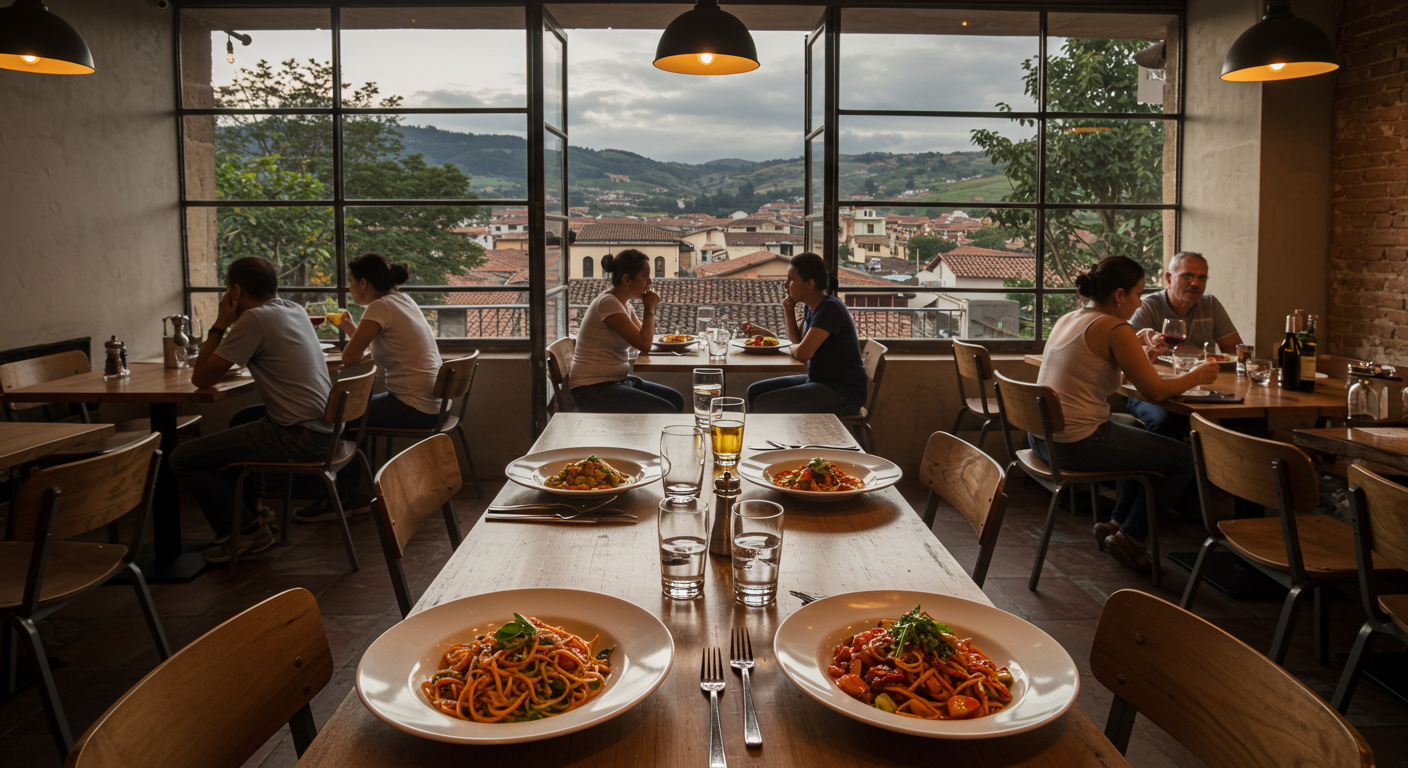
Italian restaurants have become an increasingly common sight in Cuenca, reflecting sustained demand for pasta, pizza, and other Mediterranean staples. Asian cuisine has also expanded its footprint, with Chinese eateries, Thai restaurants, and sushi establishments now part of the city's dining landscape. Middle Eastern dining options have gained local popularity as well, introducing dishes such as shawarma and falafel to a growing customer base. Rounding out the trend, American-style restaurants and casual dining concepts have opened to cater to residents and visitors seeking familiar comfort food formats.
Where the New Restaurants Are Taking Root
Many of these international dining establishments have concentrated in El Centro, Cuenca's historic center, where foot traffic from both tourists and residents remains high. At the same time, new restaurants have emerged near neighborhoods with significant expat populations, following residential patterns rather than solely tourist routes. This geographic spread suggests that international dining is being shaped by two distinct but overlapping forces: the daily needs of resident expats and the discovery-driven habits of visiting tourists.
Tradition Holds Strong: Ecuadorian Cuisine's Continued Role
Despite this diversification, traditional Ecuadorian cuisine remains firmly rooted in Cuenca's food identity. Staples such as cuy (roasted guinea pig), mote pillo, and hornado continue to be enduring fixtures on menus throughout the city. Rather than competing directly with new international offerings, traditional and international dining appear to coexist, often serving different occasions and different segments of the local population. Many residents and business owners express pride in preserving this culinary heritage even as the city's food scene broadens.
What the Trend Signals for Cuenca's Future
The diversification of Cuenca's restaurant scene can be viewed as one marker of the city's broader internationalization, paralleling its growth as an expat and tourism hub. As Cuenca High Life has reported, this trend carries implications beyond the dining table, potentially influencing local employment patterns and small business growth as new restaurant concepts create jobs and entrepreneurial opportunities. Looking ahead, the trajectory of international dining in Cuenca will likely continue to track closely with expat population growth and tourism numbers, suggesting further diversification of the city's culinary offerings in the years to come.