The Complete Guide to Choosing High-Heat Cooking Oils
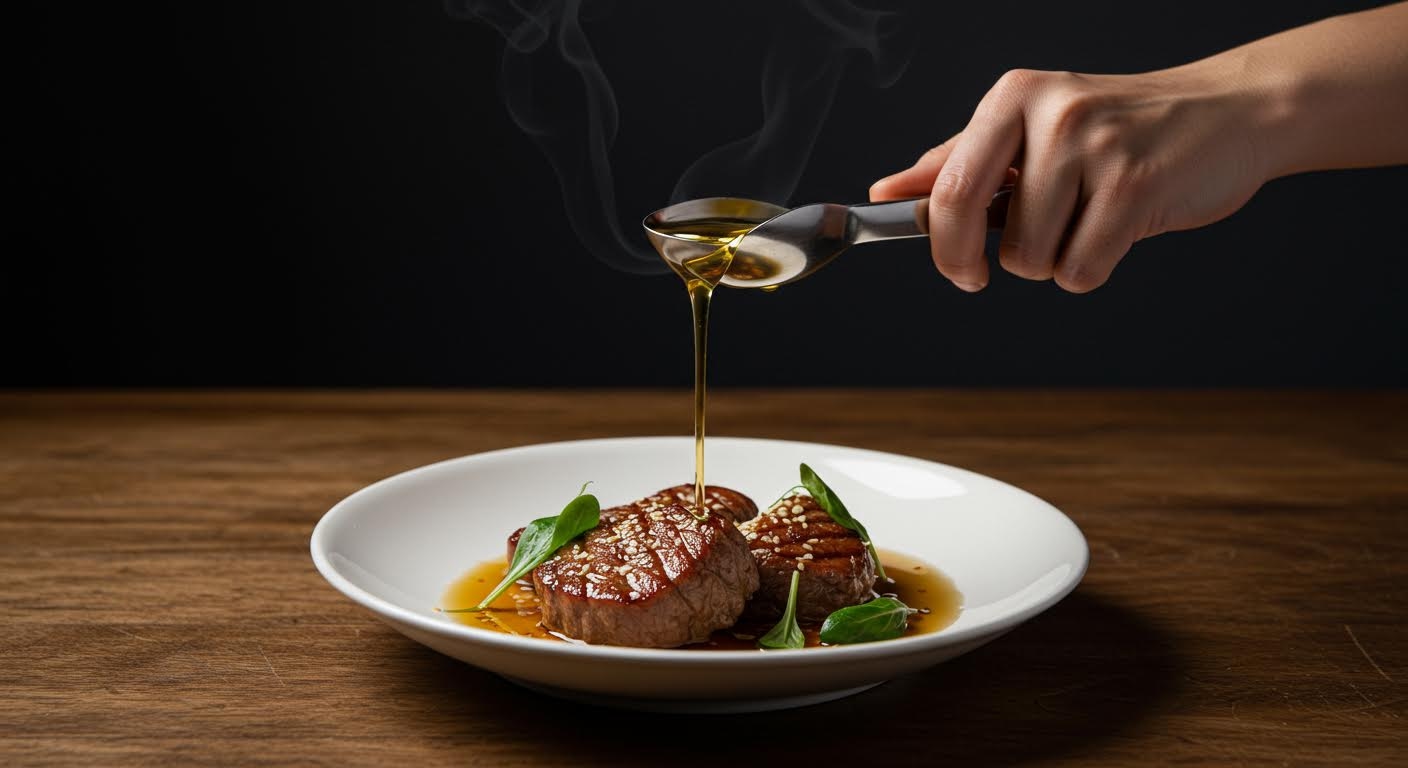
The secret to achieving that perfect golden sear on your steak or crispy exterior on your fried chicken isn't just technique—it's choosing the right oil. When you're cooking at high temperatures, your oil choice can make the difference between restaurant-quality results and a smoky kitchen disaster with bitter, ruined food.
Why Smoke Points Matter More Than You Think
Every cooking oil has a breaking point called a smoke point—the temperature where it literally starts smoking and falling apart. But this isn't just about visible smoke; it's your oil sending up a red flag that something's gone wrong.
When oil hits its smoke point, it breaks down into free fatty acids and glycerol, destroying any beneficial properties and flooding your food with bitter, acrid flavors. Even worse, this breakdown creates harmful compounds like aldehydes that you definitely don't want on your dinner plate.
The science comes down to molecular structure and processing. Oils with stable molecular bonds and refined processing can take the heat much better than their delicate counterparts. Understanding this isn't just about better-tasting food—it's about cooking safely and effectively.
The Heavy Hitters: Best Oils for High-Heat Cooking
Avocado Oil reigns supreme with a smoke point up to 520°F (271°C). This powerhouse handles everything from deep frying to high-temperature roasting without breaking a sweat. Its neutral flavor won't compete with your seasonings, making it the ultimate all-purpose high-heat champion.
Refined Coconut Oil comes in strong second at 450°F (232°C). Unlike its virgin cousin, refined coconut oil won't make everything taste like a piña colada. It stays remarkably stable during long cooking sessions and handles heat like a pro.
Grapeseed Oil offers excellent performance at 420°F (216°C) without breaking the bank. This budget-friendly option delivers clean, neutral flavor and reliable heat tolerance that makes it perfect for everyday high-heat cooking.
Other solid performers include refined safflower oil (450°F), sunflower oil (440°F), and peanut oil (450°F). Safflower and sunflower oils bring neutral flavors and wide availability, while peanut oil is beloved in professional kitchens for actually enhancing food flavors, especially in Asian cooking.
Matching Your Oil to Your Cooking Method
Deep Frying demands the highest heat tolerance—typically 350-375°F for extended periods. Avocado oil, refined coconut oil, and peanut oil excel here, maintaining stability throughout those longer cooking times that deep frying requires.
Stir-Frying and Searing operate in the 300-400°F range, opening up more options like grapeseed and refined sunflower oils. These quick, high-heat methods benefit from neutral oils that let your seasonings and sauces shine.
Grilling and Broiling present unique challenges with their intense, direct heat. You need oils that won't flare up or create excessive smoke. Avocado oil and refined coconut oil deliver the heat tolerance needed while helping you achieve those perfect char marks.
Here's a pro tip: you can sometimes use lower smoke point oils strategically. A pat of butter added at the very end provides flavor without burning, and even medium-heat oils can work for quick, high-temperature cooking if you stay vigilant about temperature control.
Refined vs. Unrefined: The Trade-off You Need to Understand
Refining dramatically changes an oil's heat tolerance. The refining process strips away impurities, free fatty acids, and other compounds that lower smoke points. That's why refined coconut oil handles high heat while virgin coconut oil smokes and burns, and why refined avocado oil outperforms unrefined versions in high-temperature cooking.
But refining isn't all upside. Unrefined oils often keep more of their natural antioxidants, vitamins, and distinctive flavors. Extra virgin olive oil offers superior nutrition and complex taste, but its low smoke point makes it a poor choice for high-heat cooking.
The decision usually comes down to purpose. For high-heat cooking, refined oils are generally safer and more practical. For finishing dishes, salad dressings, or gentle cooking, unrefined oils can provide better nutrition and more interesting flavors.
Balancing Performance with Health Benefits
Not all high-heat oils are created equal nutritionally. Avocado oil delivers beneficial monounsaturated fats and vitamin E, making it both heat-stable and heart-healthy. Grapeseed oil provides vitamin E and antioxidants, though it's higher in omega-6 fatty acids that some nutritionists recommend limiting.
Coconut oil presents an interesting dilemma. While excellent for high-heat cooking, it's high in saturated fats. However, emerging research suggests coconut oil's saturated fats may behave differently in the body compared to other sources, though the jury's still out on the long-term health implications.
Storage plays a huge role in maintaining both nutritional value and smoke point. Keep oils in cool, dark places with tight seals to prevent oxidation. Heat, light, and air exposure can lower smoke points over time and create rancid flavors. Buy only what you'll use within a few months, and always smell your oil before cooking—off-odors are a dead giveaway that it's past its prime.
Avoid These Common Mistakes
The biggest mistake home cooks make? Using extra virgin olive oil for high-heat cooking. Yes, it's healthy and delicious, but its 375°F smoke point makes it wrong for true high-heat applications. Save your good olive oil for finishing dishes or medium-heat cooking where its flavor can actually shine.
Learn to recognize when oil is too hot. If you see smoke, your oil has crossed the line. Remove the pan from heat immediately, let it cool, and start over with fresh oil. Trying to salvage overheated oil will only give you bitter, unpleasant flavors.
Professional kitchens often use a smart two-oil strategy: a neutral, high-heat oil for cooking and a flavorful finishing oil added after cooking. This maximizes both performance and taste, letting you cook safely at high temperatures while still achieving complex flavors.
Temperature control is your best friend. A thermometer takes the guesswork out of oil temperature, though experienced cooks develop visual and auditory cues for proper oil temperature without reaching the smoke point.
Don't forget about economics. While premium oils like avocado oil offer superior performance, they're not always necessary. For many high-heat applications, affordable options like refined sunflower or safflower oil deliver excellent results at a fraction of the cost.