The Best Fish to Buy in Ecuador and When to Buy It
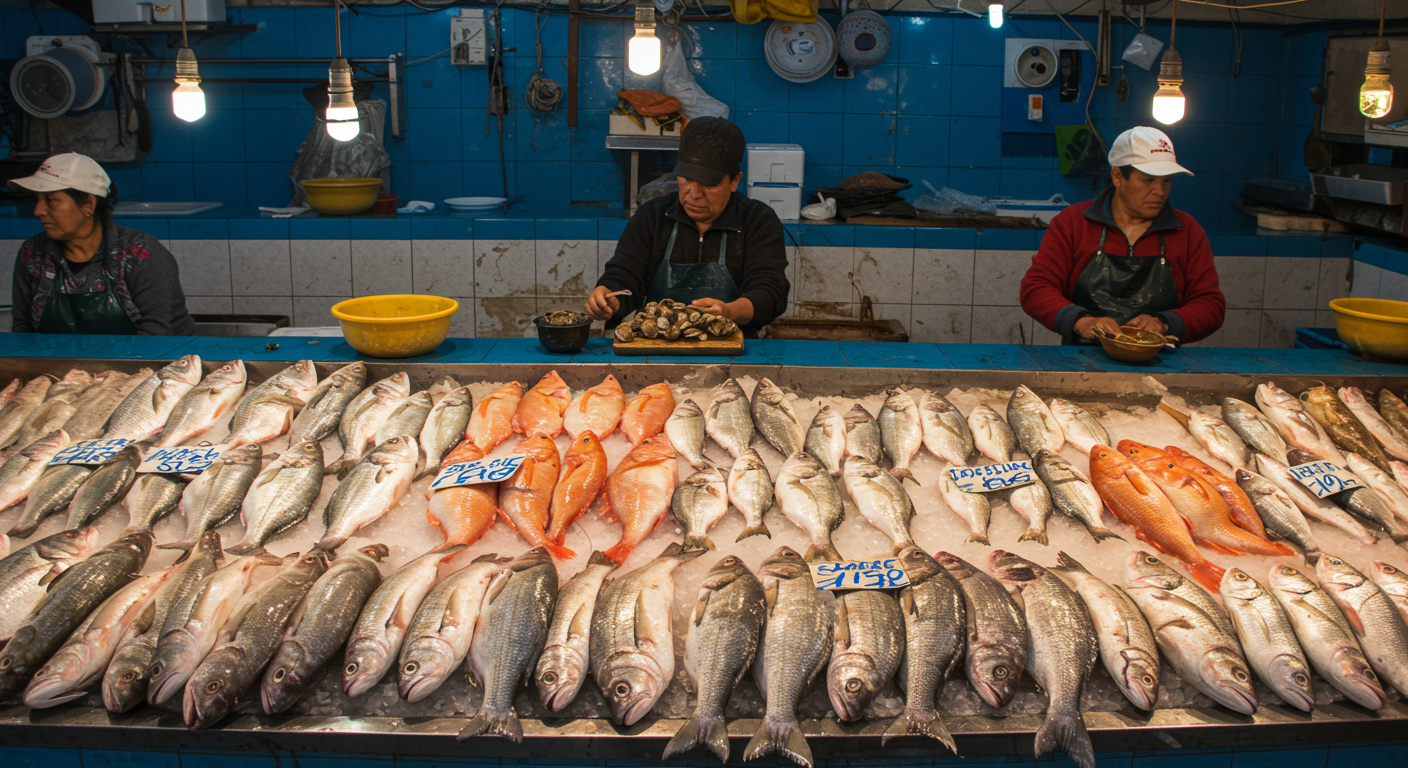
Ecuador's extensive Pacific coastline and rich marine ecosystems make it one of South America's premier seafood destinations. Whether you're shopping at bustling coastal markets or planning your weekly meals, understanding when and what fish to buy can transform your dining experience while supporting local fishing communities.
Why Ecuador's Waters Produce Amazing Fish
Ecuador's prime spot along the Pacific Ocean creates perfect conditions for incredible seafood. Warm and cold ocean currents meet here, bringing nutrient-rich waters that feed abundant fish populations—making this coastline a natural fishing paradise.
The major fishing hubs each have their specialties. Manta serves as Ecuador's tuna capital, processing massive quantities for local markets and export. Guayaquil's extensive port facilities handle everything from ocean catches to coastal varieties. Up north, Esmeraldas taps into different current systems that bring unique species to market.
This geographic sweet spot means Ecuador gets the best of both worlds: the cold, nutrient-dense Humboldt Current supports larger fish populations, while warmer tropical currents provide habitat for different species year-round.
Your Best Bet Year-Round: Tuna
Ecuador ranks as a global tuna powerhouse, and it shows in local markets. Multiple tuna species stay available throughout the year, making them your most reliable choice for consistent quality.
Yellowfin tuna is the premium option—look for that deep red flesh and firm texture. It's available year-round, with peak quality depending on fishing conditions. When buying yellowfin, check for bright, clear eyes and flesh that feels firm to the touch.
Skipjack tuna offers fantastic value and works in countless dishes. This smaller variety has lighter flesh and a more delicate flavor. The key with skipjack is the smell test—it should smell fresh and oceanic, never fishy or sharp.
Ecuador's modern fishing fleets and processing facilities keep fish cold from boat to market. Quality signs include firm flesh that springs back when pressed, bright color without brown spots, and clear (not cloudy) juices.
Seasonal Stars: When to Buy What
While tuna stays reliable year-round, Ecuador's most sought-after fish follow seasonal patterns that savvy buyers learn to follow.
Corvina—Ecuador's beloved sea bass—hits peak season during cooler months from May through September. This timing matches the fish's natural cycles, giving you fuller-bodied fish with incredible flavor. Corvina's mild, sweet taste makes it perfect for traditional dishes like encebollado.
Dorado (mahi-mahi) delivers its best from December through April. This vibrant fish loves warmer waters, and summer months provide ideal conditions for both catching and flavor. Dorado's firm texture and mild taste shine when grilled or pan-seared.
Keep an eye out for lenguado (sole) during winter months and pargo (snapper) in late summer. The government's fishing regulations actually help by establishing closed seasons—this means better quality during legal fishing periods.
Market Timing That Makes a Difference
Getting the best fish in Ecuador often comes down to showing up at the right time. Early morning hours between 6 and 9 AM give you first pick as fishing boats return with overnight catches.
Coastal markets offer the freshest options—fish often sold within hours of being caught. Municipal markets in Quito and inland cities get daily shipments, but the best selection still appears early in the morning.
Fresh fish signs never change: clear, bright eyes, red or pink gills, firm flesh, and that clean ocean smell. Skip anything with cloudy eyes, brown or gray gills, soft spots, or strong fishy odors.
Building relationships with vendors pays off big time. Good fishmongers will save the best catch for regular customers and give you honest advice about daily quality and how to prepare your purchase.
Farm-Raised Options: Ecuador's Aquaculture Success
Ecuador's aquaculture industry, especially shrimp farming, ranks among the world's best for both quality and sustainability. The country's farms produce consistently excellent products that compete globally while maintaining environmental standards.
When choosing between farm-raised and wild-caught, know that Ecuador's aquaculture emphasizes both sustainability and quality control. Farm-raised shrimp offer consistent sizing and year-round availability, while wild varieties provide more diverse flavors and textures.
Modern Ecuadorian farms focus on sustainable practices: water quality management, responsible feed sourcing, and habitat conservation. The result? Farm-raised products that often match or beat wild-caught quality with reliable availability.
Your Practical Buying Guide
Fish prices vary dramatically between coastal and inland areas. Coastal markets offer lower prices due to proximity to fishing operations, while inland markets reflect transportation costs. Expect seasonal swings—peak-season fish cost more but deliver superior quality.
Smart shoppers plan around seasonal pricing. Tuna stays relatively stable year-round, while seasonal favorites like corvina and dorado see price bumps during peak quality periods. Off-peak shopping saves money, though quality may suffer.
Proper storage starts the moment you buy. Keep fish on ice, use within 24-48 hours, and maintain consistent cold temperatures. For best results, clean and prepare fish the same day when possible.
Support sustainable fishing by choosing vendors who follow size limits, avoid overfished species during breeding seasons, and source responsibly. Don't hesitate to ask about sourcing practices—good vendors are proud to discuss their commitment to sustainability.