Tea, Berries, Dark Chocolate, and Apples Could Lead to a Longer Life Span, Study Shows
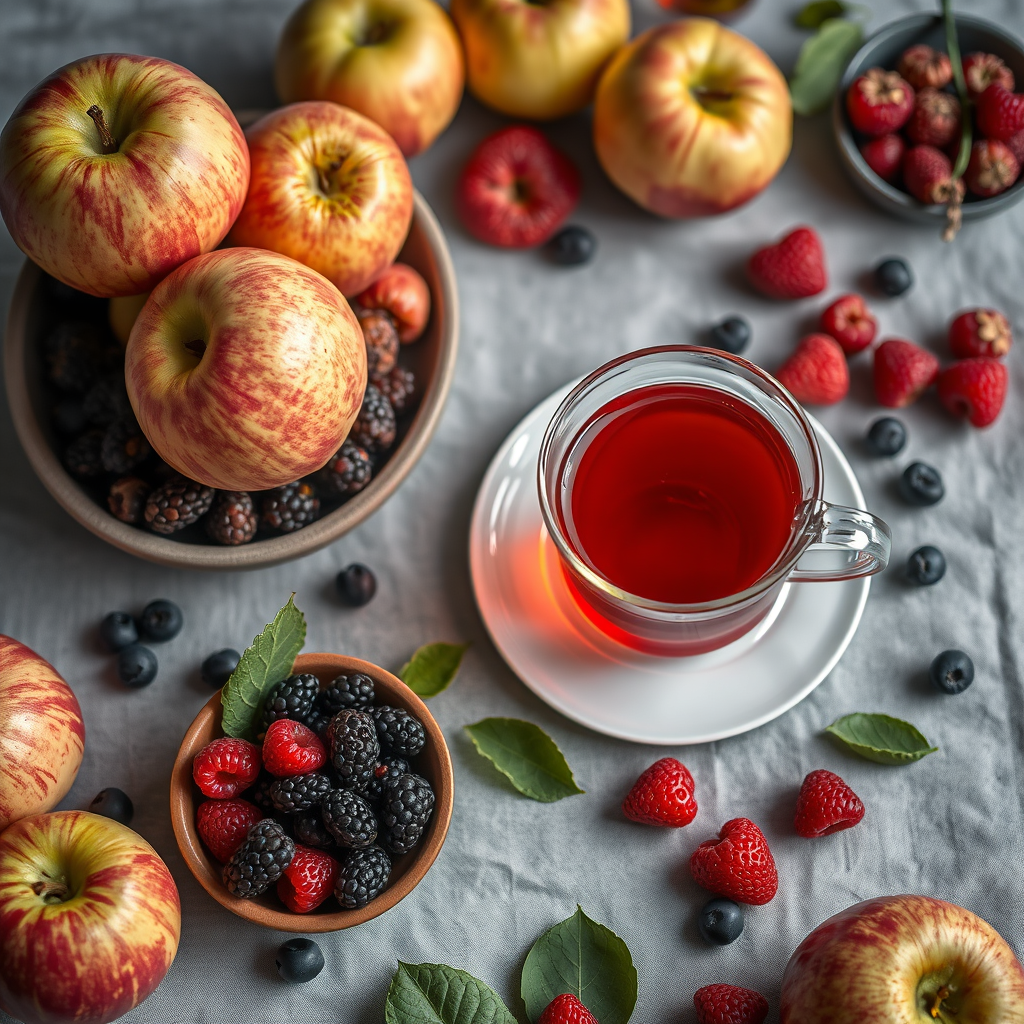 Tea, Berries, Dark Chocolate, and Apples Could Lead to a Longer Life Span, Study Shows
Tea, Berries, Dark Chocolate, and Apples Could Lead to a Longer Life Span, Study Shows
Date: June 3, 2025
Source: Edith Cowan University
New research indicates that consuming a diverse range of flavonoid-rich foods—such as tea, berries, dark chocolate, and apples—may lower the risk of developing serious health conditions and potentially extend lifespan.
The study, conducted by researchers from Queen’s University Belfast, Edith Cowan University (ECU) in Perth, and the Medical University of Vienna and Universität Wien, found that increasing the variety of flavonoids in one’s diet could help prevent health issues like type 2 diabetes, cardiovascular disease (CVD), cancer, and neurological diseases.
Flavonoids are compounds found in plant-based foods, including tea, blueberries, strawberries, oranges, apples, grapes, red wine, and dark chocolate.
Published in Nature Food, the study tracked over 120,000 participants aged 40 to 70 for more than a decade. It is the first study to suggest that consuming a wide range of flavonoids offers benefits beyond simply consuming a high quantity.
“A flavonoid-diverse diet is beneficial for health,” said Dr. Benjamin Parmenter, ECU Research Fellow and co-lead of the study. He noted that a daily intake of approximately 500 mg of flavonoids was associated with a 16% lower risk of all-cause mortality and about a 10% lower risk of CVD, type 2 diabetes, and respiratory disease—roughly the amount found in two cups of tea.
Dr. Parmenter emphasized that individuals consuming the widest variety of flavonoids had an even lower risk of these diseases, even when consuming the same total amount. Rather than only drinking tea, it’s better to consume a range of flavonoid-rich foods, as different flavonoids come from different sources.
Professor Aedín Cassidy, co-lead of the study from Queen’s University Belfast, highlighted that while higher intakes of dietary flavonoids can reduce the risk of heart disease, type 2 diabetes, and neurological conditions like Parkinson’s, different flavonoids have distinct effects—some improve blood pressure, others help with cholesterol levels and decrease inflammation. This study suggests that consuming both a higher quantity and a wider diversity of flavonoids may lead to greater health benefits than relying on a single source.
Professor Tilman Kuhn, co-lead author from the Medical University of Vienna and Queen’s University Belfast, noted that the importance of flavonoid diversity had not been investigated until now. The findings support the idea that eating a variety of colorful fruits and vegetables, which are rich in flavonoids, is valuable for maintaining good health.
Recent dietary guidelines recommend increasing flavonoid consumption to maintain health. Dr. Parmenter added that their study provides initial evidence suggesting that increasing the diversity of flavonoid intake may also be beneficial.
Professor Cassidy concluded that simple dietary changes, such as drinking more tea and eating more berries and apples, can help increase the variety and intake of flavonoid-rich foods, potentially improving long-term health.
For more details, see the full article on ScienceDaily.