Sunday Cuy in Cuenca: A Local's Map to the Best Roasted Guinea Pig
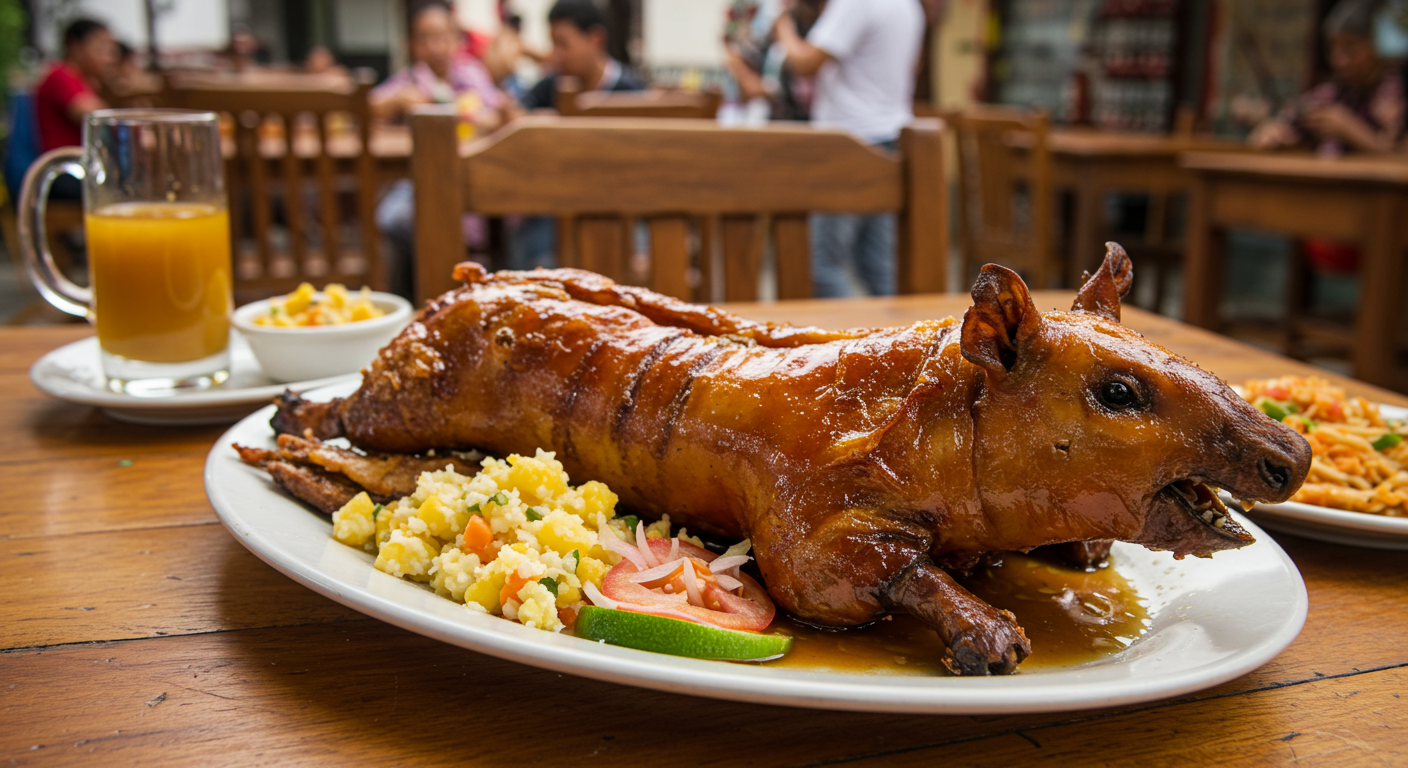
Every Sunday in Cuenca, the unmistakable aroma of roasted cuy wafts from family kitchens and traditional restaurants throughout the city. This isn't just any meal—it's a living piece of Andean heritage that transforms guinea pig into the centerpiece of family gatherings and special celebrations.
The Sunday Cuy Tradition in Cuenca
Cuenca's Sunday cuy tradition reaches back centuries to indigenous Andean cultures, where guinea pig served as both essential protein and ceremonial offering. While other Ecuadorian regions serve cuy at various occasions, Cuenca has preserved this specific Sunday family ritual with remarkable devotion.
The preparation of cuy involves ceremonial aspects that go far beyond simple cooking. Families often start preparations Saturday evening, turning the selection and cleaning process into a communal activity. The slow roasting method, traditionally done over wood fires, creates the signature crispy skin and tender meat that defines authentic Cuencan cuy.
What sets Cuenca apart is its emphasis on family unity and the distinctive seasoning blend featuring local herbs like culantro and ají amarillo. Presentation follows time-honored protocols too—the whole guinea pig arrives on a wooden platter surrounded by roasted potatoes, corn, and beans.
Where to Find Authentic Cuy in Cuenca
Several establishments around Cuenca have earned stellar reputations for their cuy preparation. Traditional family-run restaurants in the historic center maintain wood-fired ovens and generational recipes passed down through decades of Sunday meals.
Mercado 10 de Agosto houses several vendors who specialize in fresh cuy preparation, offering both individual portions and whole roasted guinea pigs for family gatherings. These market stalls deliver the most authentic experience, with preparation happening right before your eyes.
In the charming El Vado neighborhood, family restaurants serve cuy in traditional ceramic dishes with seasonal accompaniments. These spots often require advance ordering, especially for Sunday service when local families create high demand.
The suburban areas around Cuenca, particularly toward Baños, feature restaurants that blend traditional preparation methods with more polished dining atmospheres. These venues often include outdoor seating where families can enjoy cuy in settings that mirror home gatherings.
What Makes Cuy a Special-Occasion Dish
The labor-intensive nature of cuy preparation plays a huge role in its special-occasion status. From selection to serving, the process demands 4-6 hours of careful attention—impractical for weeknight dinners but perfect for leisurely Sunday family time.
Cost factors also preserve cuy's celebratory position. A single guinea pig suitable for roasting costs significantly more than chicken or other everyday proteins, making it a deliberate choice rather than a convenient one. This economic reality maintains the traditional link between cuy and important occasions.
Cultural protocols surrounding cuy service follow specific patterns. The eldest family member typically receives the first serving, and certain parts of the guinea pig carry traditional significance. The head, considered a delicacy, often goes to honored guests or family patriarchs.
The communal aspect of sharing cuy strengthens family bonds and cultural continuity. Unlike individual meals, cuy service brings multiple generations together around a shared table, creating space for storytelling and family connection that might otherwise disappear in our fast-paced modern world.
Your First Cuy Experience: What to Expect
Dining etiquette around cuy follows traditional patterns that respect both the food and its cultural significance. Meals typically begin with a blessing or acknowledgment of the gathering's importance, especially in family settings.
The flavor of properly prepared cuy resembles a cross between rabbit and dark-meat chicken, with a distinctive taste reflecting the guinea pig's grain-based diet. The skin, when expertly roasted, provides a satisfying crispy contrast to the tender interior meat.
Price ranges vary considerably by venue. Market stalls might offer cuy portions for $8-12, while traditional restaurants charge $15-25 for a complete serving with sides. Family restaurants in suburban areas typically fall somewhere in the middle, around $12-18 per serving.
When ordering, expect to specify your preferred accompaniments and whether you want a full or half serving. Traditional sides include papas doradas (golden potatoes), mote (hominy corn), and habas (fava beans). Most establishments serve cuy with ají sauce on the side rather than mixed into the preparation.
Home Preparation vs. Restaurant Style
Traditional family cooking methods rely on clay ovens or adapted wood-fired setups that allow for even heat distribution and subtle smoke flavor development. Guinea pigs are typically stuffed with herbs and sewn closed before roasting—a technique requiring both practice and patience.
Restaurant adaptations often use modern ovens while preserving traditional seasoning and presentation elements. Some establishments use rotisserie-style equipment to achieve consistent results for multiple orders, though purists argue this alters the texture and flavor profile.
Seasoning variations between venues reflect family traditions and regional influences within Azuay province. Some restaurants emphasize cumin and garlic, while others focus on ají combinations that provide warmth without overwhelming the meat's natural flavor.
The social experience differs dramatically between home and restaurant settings. Home preparation involves family participation in the cooking process, building anticipation and shared responsibility. Restaurant dining focuses more on the final product and conversation around the meal itself, rather than the preparation ritual that makes Sunday cuy so special.