Sugar Consumption in Ecuador: Better or Worse Than Abroad?
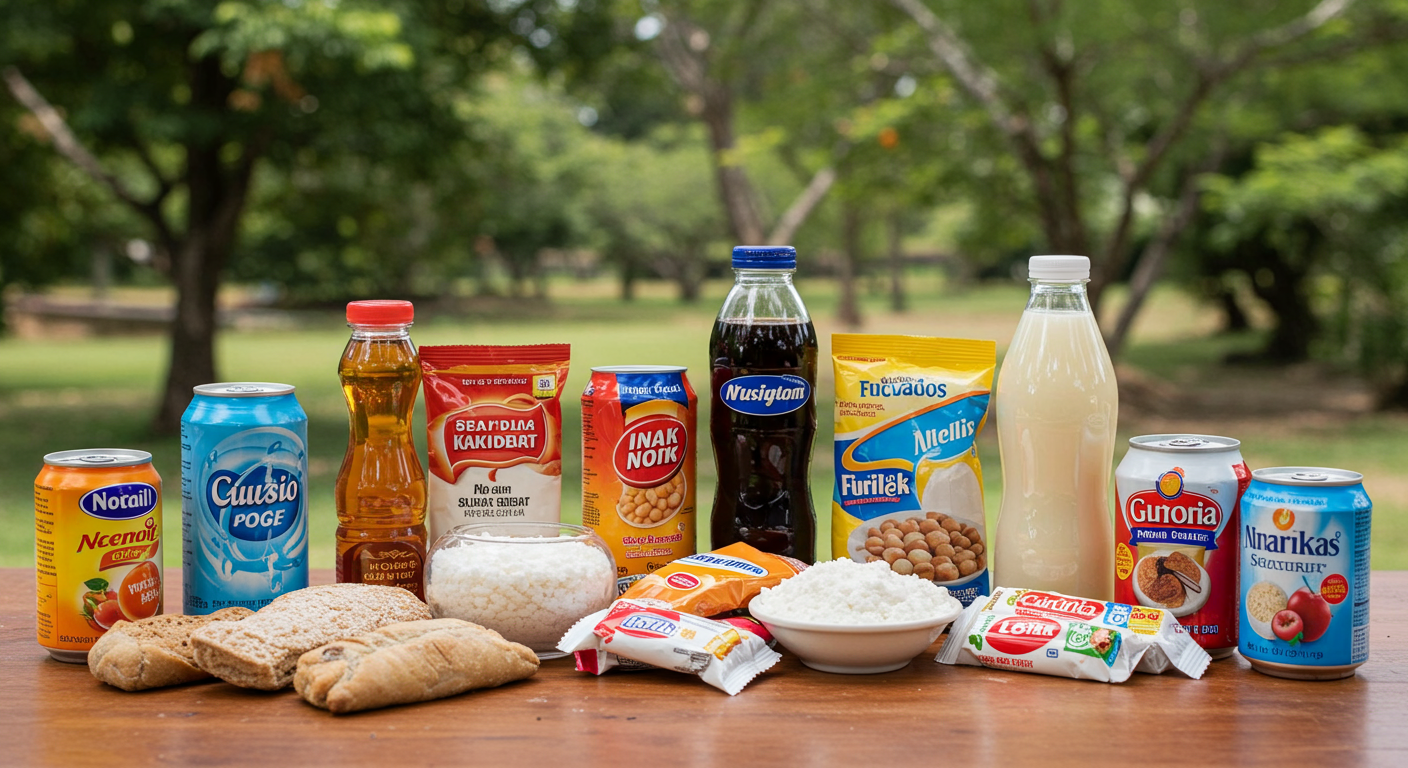
If you've ever wondered whether your sweet tooth is safer in Ecuador than back home, you're asking the right question. Sugar consumption has become a global health concern, and for expats and visitors dining in Ecuador, understanding how local sugar intake stacks up internationally can help guide your food choices.
The Sweet Truth About Ecuador's Sugar Habits
The World Health Organization reports that the average Ecuadorian adult consumes about 60-70 grams of sugar daily—more than double the WHO's recommended 25 grams for optimal health. While this sounds alarming, it actually places Ecuador in better standing than sugar-heavy countries like the United States, where daily intake often hits 80-100 grams.
What's interesting is how Ecuadorians get their sugar fix. Unlike North Americans and Europeans who load up on processed snacks and sodas, Ecuadorians get much of their sugar from traditional foods and fresh tropical fruits. Coastal regions tend toward more sugary drinks, while highland communities stick closer to traditional preparations.
Compared to neighbors, Ecuador sits comfortably in the middle. Colombia and Peru show similar patterns, while Chile has gotten more aggressive with sugar reduction policies and shows lower consumption as a result.
Hidden Sugars in Your Favorite Ecuadorian Dishes
Here's where dining out gets tricky: traditional Ecuadorian cuisine sneaks sugar into places you might not expect. That refreshing chicha morada or rich colada morada? They're often loaded with panela (unrefined cane sugar), a cooking staple throughout the country.
Street vendors and restaurants regularly use panela and refined sugar in marinades, sauces, and desserts. A single serving of tres leches cake packs 30-40 grams of sugar—more than a day's worth in one delicious slice. Even fresh fruit juices often get extra sweeteners beyond what nature provided.
Ecuador's incredible fruit bounty adds another layer. While mangoes, bananas, and exotic tropical fruits offer natural sugars that beat processed alternatives, they still contribute to your daily total. The good news? These natural sources come with fiber, vitamins, and minerals that processed sugars lack.
How Ecuador Stacks Up Globally
In the worldwide sugar consumption Olympics, Ecuador earns a middle-tier ranking. Heavy hitters like the United States, Australia, and several European countries regularly exceed 100 grams daily. Meanwhile, many African and Asian nations keep it to 30-50 grams per day.
Several factors drive Ecuador's consumption patterns. Sugar and sugary foods remain affordable and accessible, plus sweet treats play important roles in social gatherings and celebrations. The country's sugar production industry keeps domestic supplies steady and reasonably priced.
Unlike Mexico or the United Kingdom, which slapped taxes on sugary drinks, Ecuador has focused on education and better labeling rather than hitting wallets to change behavior.
What This Means for Your Health
The health picture shows mixed results. Ecuador's diabetes rate sits at 2.7% of adults according to Ministry of Health data—much better than the US rate of 11% but similar to regional neighbors. Still, health professionals worry about rising trends, especially in cities.
Obesity affects about 20% of Ecuadorian adults, with rates climbing over the past decade. While sugar isn't the only culprit, medical experts recognize it as a major contributor to weight gain and related health problems.
Dental health tells a concerning story, with cavity rates among children remaining high compared to countries with stricter sugar policies. Heart disease rates show connections to dietary patterns, though Ecuador's overall cardiovascular health looks better than countries with more processed food consumption.
Government Action and What's Coming
Ecuador's Ministry of Health has rolled out several initiatives to tackle sugar consumption. The traffic light labeling system now requires red labels on high-sugar products, making it easier to spot sugar bombs on grocery shelves. Public campaigns educate consumers about hidden sugars in everyday foods.
Schools have updated nutrition programs to limit sugary drinks and snacks, though success varies by region. Healthcare providers get training on helping patients cut sugar while respecting cultural food traditions.
Compared to more aggressive international approaches—like Chile's comprehensive labeling laws or Mexico's beverage taxes—Ecuador emphasizes gradual change through education over regulatory hammers.
Health officials predict current trends could spell trouble unless consumption patterns shift. Their advice for consumers: cut added sugars while keeping the good parts of traditional diets, like high fruit and vegetable intake.
For your dining choices, this means being smart about drinks, asking about sugar content in traditional dishes, and balancing indulgent treats with Ecuador's amazing fresh, natural options. While Ecuador's sugar situation isn't the worst globally, there's definitely room for improvement—and your health will thank you for being mindful.