Street Food in Ecuador: Delicious, Dangerous, or Both?
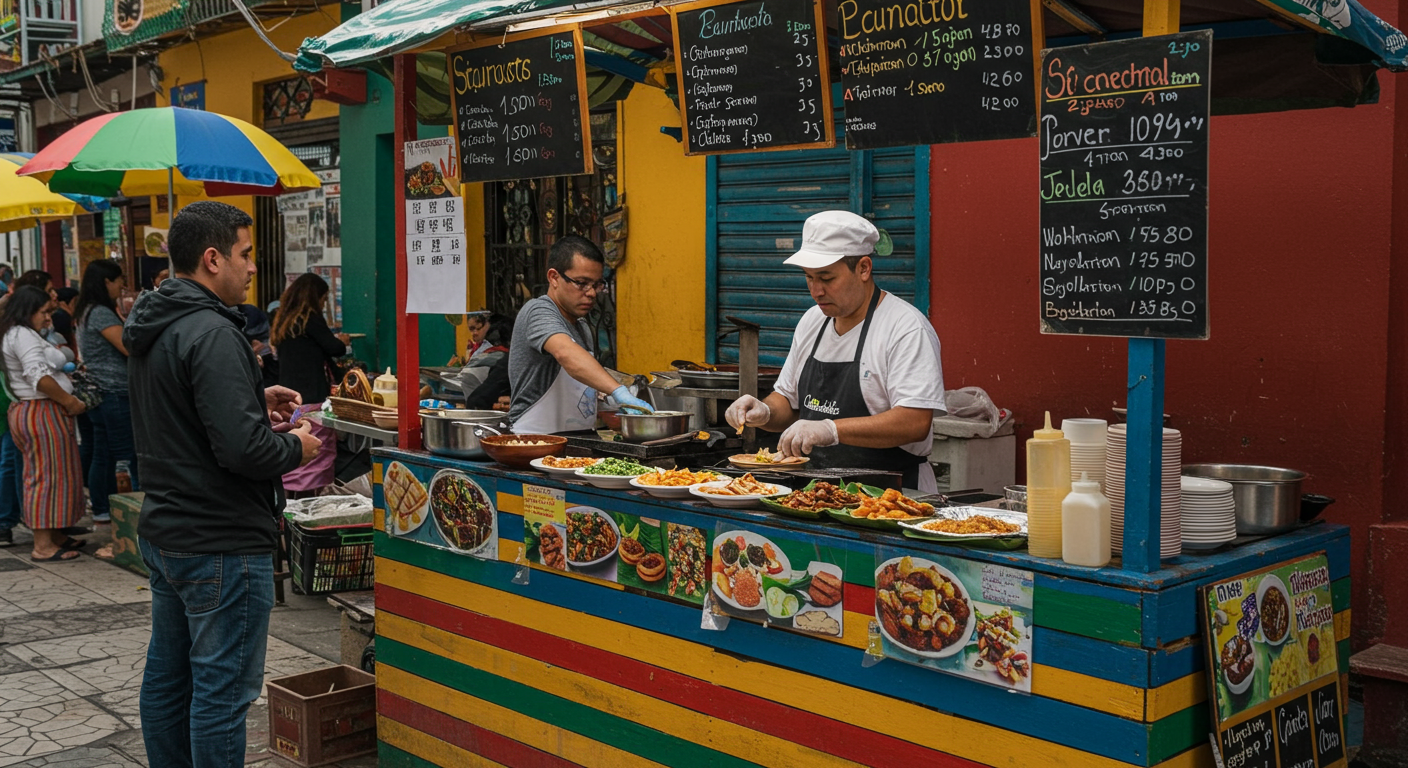
Walking through the bustling streets of Quito or Guayaquil, the aromatic smoke from countless food stalls creates an irresistible invitation. Ecuador's street food scene pulses with authentic flavors, cultural traditions, and prices that seem almost too good to be true. Yet beneath this culinary paradise lies a question that every traveler must confront: Is indulging in Ecuador's street food worth the potential health risks?
This dilemma captures the essence of authentic travel dining—the tension between experiencing genuine local culture and protecting your health. Ecuador's street vendors serve up some of South America's most distinctive flavors, but understanding both the rewards and risks is essential for making smart dining decisions.
The Delicious Side: Ecuador's Must-Try Street Foods
Ecuador's street food culture reflects the country's incredible biodiversity and rich culinary heritage. From the Andean highlands to the coastal regions, street vendors serve specialties that have been perfected over generations, offering travelers an authentic taste of local life at unbeatable prices.
Among the most beloved street foods are llapingachos—crispy potato patties filled with cheese and served with chorizo, fried eggs, and spicy aji sauce. These hearty portions represent comfort food at its finest, showcasing the importance of potatoes in Andean cuisine. Equally popular are empanadas de viento, light pastries filled with cheese that puff up like balloons when fried, creating a delightfully crispy exterior with molten cheese inside.
Coastal regions offer their own treasures, particularly street-style ceviche prepared fresh throughout the day. Unlike the more formal restaurant versions, street ceviche often features bold, aggressive flavors with plenty of lime, onions, and fiery peppers. Other regional specialties include hornado (roasted pork), fritada (fried pork chunks), and countless variations of grilled meats served with mote (hominy) and fresh vegetables.
Beyond the food itself, street eating in Ecuador serves important social and economic functions. These vendors often represent family businesses passed down through generations, and purchasing from them directly supports local communities. The social atmosphere around street food stalls creates natural opportunities for cultural exchange between locals and visitors.
The Dangerous Reality: Food Safety Concerns
However, Ecuador's street food scene carries legitimate health risks that can't be ignored. The country faces ongoing challenges with food safety infrastructure, water quality, and sanitation standards that directly impact street food preparation and safety.
Foodborne illness represents the most common health threat for travelers in Ecuador. Common culprits include various strains of E. coli, Salmonella, and other bacteria that thrive in warm climates with inadequate refrigeration. These can cause anything from mild stomach upset to severe diarrhea, dehydration, and more serious complications requiring medical treatment.
Street food preparation often involves specific risk factors that increase the likelihood of contamination. Many vendors lack access to reliable refrigeration, meaning ingredients may sit at unsafe temperatures for extended periods. Hand washing facilities are frequently limited or nonexistent, and the same utensils may be used for multiple purposes without proper cleaning between uses.
Water quality poses another significant concern, as many street food preparations involve water that may not meet international safety standards. This affects everything from ice in drinks to vegetables washed in local water supplies. Even seemingly safe items like fresh fruit juices can become contamination vectors if prepared with unsafe water or served in improperly cleaned containers.
Playing It Safe: International Health Guidelines
The World Health Organization emphasizes five key principles for food safety: keep food clean, separate raw and cooked foods, cook food thoroughly, keep food at safe temperatures, and use safe water and raw materials. These guidelines become especially important when navigating street food scenes in developing countries.
The Centers for Disease Control and Prevention specifically advises travelers to Ecuador to follow the "boil it, cook it, peel it, or forget it" rule. This means choosing foods that are served steaming hot, avoiding items that have been sitting at room temperature, and being particularly cautious with raw or undercooked items, dairy products, and anything involving raw water.
Both organizations stress the importance of observing food preparation practices when possible. Safe vendors typically cook food to order at high temperatures, maintain clean preparation areas, and show evidence of good hygiene practices. Conversely, major red flags include food sitting uncovered for long periods, vendors handling money and food with the same hands, and preparation areas that appear unsanitary.
Hand hygiene represents another critical factor that travelers can control. Carrying hand sanitizer and using it before eating provides an additional layer of protection, especially when soap and water aren't readily available.
Smart Street Food Strategy: How to Eat Safely
Successfully navigating Ecuador's street food scene requires developing practical strategies that balance safety with cultural exploration. Timing plays a crucial role—eating during peak hours when turnover is high means fresher ingredients and food that hasn't been sitting around. Lunch hours and early evening typically represent the safest windows for street food consumption.
Vendor selection requires careful observation. Look for stalls that appear busy with local customers, as high turnover generally indicates both quality and safety. Clean preparation areas, vendors who cook to order, and evidence of proper food handling suggest better safety practices. Avoid vendors where food appears to have been sitting out for extended periods or where hygiene practices seem questionable.
Menu choices matter significantly. Opt for items cooked at high temperatures and served immediately hot. Grilled meats, freshly fried items, and foods cooked to order generally present lower risks than items held at room temperature. Be particularly cautious with dairy products, raw vegetables, and anything involving uncooked water.
Personal preparation can reduce risks substantially. Eating street food when you're well-rested and healthy gives your immune system the best chance to handle any challenges. Some travelers choose to ease into street food gradually, starting with safer options and building up tolerance over time. Having appropriate medications available, including rehydration salts and anti-diarrheal medications, provides backup protection.
The Verdict: Both Delicious and Dangerous—But Worth It
Ecuador's street food presents a classic travel dilemma where authentic cultural experiences come with inherent risks. The answer isn't to avoid street food entirely, but rather to approach it with knowledge, preparation, and appropriate caution.
For many travelers, the cultural richness and incredible flavors of Ecuador's street food justify accepting some level of calculated risk. The key lies in making informed decisions based on your own risk tolerance, health status, and travel circumstances. A short business trip might call for more conservative dining choices, while a longer cultural immersion journey might justify greater culinary adventure.
The most successful approach involves respecting both the incredible culinary traditions that Ecuador's street vendors represent and the real health considerations that come with street food consumption. With proper precautions, awareness of risks, and smart vendor selection, most travelers can safely enjoy at least some authentic street food experiences.
Ultimately, Ecuador's street food scene embodies the broader adventure of travel itself—rewarding those willing to step outside their comfort zones while demanding respect for local conditions and personal safety. The combination of incredible flavors, cultural authenticity, and affordable prices makes Ecuador's street food worth exploring, provided you're prepared to do so safely and intelligently.