South American Cuisine Explained Through Ecuador's Food
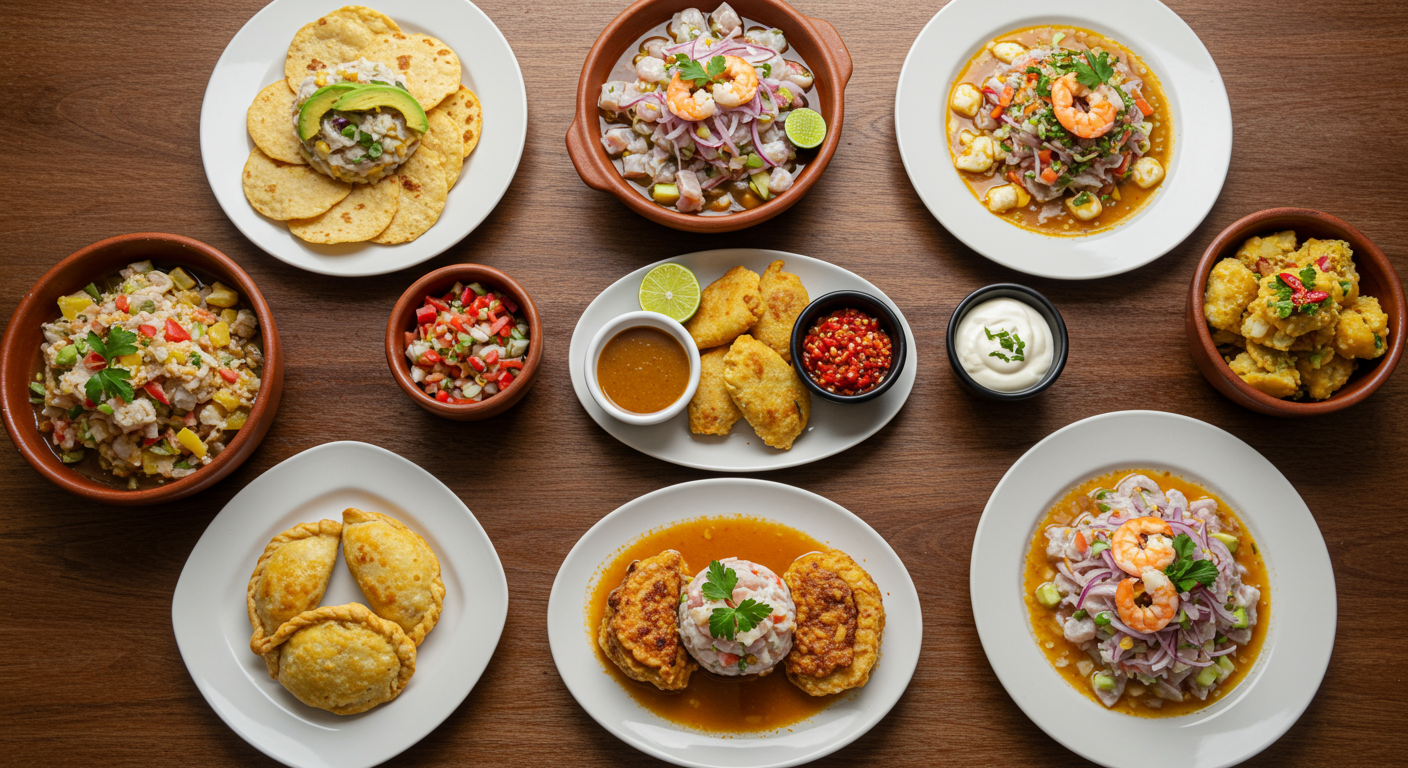
Think of Ecuador as South America's culinary crash course. This compact nation packs three dramatically different regions—Pacific coast, Andean highlands, and Amazon rainforest—into an area smaller than Nevada. The result? A dining scene that tells the story of an entire continent on your plate.
Squeezed between Colombia and Peru, Ecuador serves up the same geographical diversity that shapes cooking from Venezuela to Chile. Coastal plains meet towering mountain peaks, which give way to steamy jungle lowlands. Each ecosystem brings its own ingredients and traditions, making Ecuador your best bet for understanding what South American food is really about.
The Indigenous Foundation: Ancient Ingredients That Define a Continent
Before Spanish conquistadors ever set foot on South American soil, indigenous peoples were already perfecting the art of high-altitude agriculture. Ecuador's traditional cooking showcases this ancient knowledge through the holy trinity of Andean ingredients: quinoa, potatoes, and corn.
The humble potato deserves special recognition here. Originally domesticated right in these mountains, Ecuador still grows hundreds of native varieties that most of the world has never tasted. Walk through any Ecuadorian kitchen, and you'll find potatoes prepared dozens of ways—boiled, mashed, fried, or stirred into hearty stews. This same potato obsession stretches across the Andes from Venezuela down to Chile.
Quinoa and corn round out the traditional trio, appearing in everything from soups to side dishes. These aren't just ingredients—they're cultural artifacts that connect modern Ecuador to pre-Columbian civilizations that thrived here for thousands of years.
Head to the coast or venture into the Amazon, and plantains, yuca, and exotic tropical fruits take center stage. That fried plantain on your plate? You'll find similar preparations throughout tropical South America. It's comfort food that transcends borders.
The cooking techniques matter just as much as the ingredients. Slow-roasting meat in earth ovens, grinding spices by hand with volcanic stone—these methods spread throughout pre-Columbian South America and survive today in Ecuador's traditional kitchens.
Colonial Fusion: When Spain Came to Dinner
The Spanish conquest didn't just change South American politics—it revolutionized the dinner table. Ecuador's colonial-era dishes show you exactly how European techniques merged with indigenous ingredients to create something entirely new.
Take rice, for instance. The Spanish brought this grain across the Atlantic, and it quickly became as essential to South American meals as potatoes. In Ecuador, you'll find it in arroz con pollo or simply served alongside almost every main dish. The same story played out from Venezuela to Argentina.
Spanish sofrito—that aromatic base of sautéed onions, garlic, and spices—forms the foundation of countless Ecuadorian dishes. But here's where it gets interesting: local cooks swapped in indigenous ají peppers and cilantro, creating flavor profiles that taste distinctly South American while maintaining European technique.
Pork tells perhaps the most compelling fusion story. Ecuador's famous hornado features European-style roasted pork seasoned and cooked using indigenous methods. Similar pork traditions developed across the continent—Colombia has its lechona, Peru its chicharrón—proving how colonial influences created parallel innovations throughout South America.
Regional Specialties: Three Ecosystems, One Kitchen
Ecuador's three regions each contribute distinct flavors that reflect broader South American patterns. The coast delivers some of the continent's best seafood, the highlands serve up hearty mountain fare, and the Amazon provides ingredients you won't find anywhere else.
Ecuadorian ceviche perfectly captures coastal South American cooking. Here, they use shrimp instead of fish and serve it with popcorn and crispy plantain chips. While every country along the Pacific adds its own twist, the fundamental technique of "cooking" seafood in citrus acid remains the same from Mexico to Chile.
Highland cooking focuses on warmth and substance—exactly what you need at 9,000 feet above sea level. Locro, a thick soup loaded with potatoes, cheese, and vegetables, represents Andean comfort food at its finest. You'll find similar hearty, potato-based soups throughout the mountain countries: Colombia's ajiaco, Bolivia's chairo. High altitude plus cold weather equals serious soup game.
The Amazon region brings the exotic factor with proteins like cuy (guinea pig) and fresh river fish, plus fruits and vegetables that most people outside the basin have never heard of. This biodiversity reflects the incredible variety available throughout South America's largest ecosystem.
Signature Dishes That Tell the Continent's Story
Some Ecuadorian dishes work like edible history lessons, showing you exactly how South American cuisine developed. Hornado serves as exhibit A: slow-roasted pork accompanied by mote (hominy) and llapingachos (crispy potato cakes). It's a perfect example of how the continent embraced pork after Spanish colonization.
Those llapingachos deserve a closer look. These seasoned mashed potato cakes share DNA with Peru's papa rellena and Bolivia's papa rellena, showing how indigenous cooks throughout the Andes adapted their beloved potatoes using European techniques.
Street food reveals even more continental connections. Ecuadorian empanadas might feature local fillings, but the concept of savory stuffed pastries stretches from Argentina to Venezuela. Some food ideas were just too good to stay put.
Festival foods follow continental patterns too. Special occasion dishes typically feature expensive proteins or require community effort to prepare—a tradition you'll find from the southern cone to the Caribbean coast.
Market Culture: Where Food Becomes Community
Visit any Ecuadorian market, especially the indigenous markets in highland towns like Otavalo, and you'll understand something crucial about South American food culture. These aren't just places to buy ingredients—they're community centers where culinary knowledge passes from vendor to customer, generation to generation.
The social aspect of food shopping in Ecuador mirrors patterns throughout South America. Markets serve as gathering places where neighbors catch up, families shop together, and traditional knowledge stays alive. It's about connection as much as commerce.
Recipe sharing happens the same way throughout the continent: within families, passed down through generations, often without written instructions. Grandmother teaches daughter teaches granddaughter, each adding her own touch while maintaining the essential technique.
Food preparation and sharing remain deeply communal throughout Ecuador and South America generally. Meals carry cultural weight beyond simple nutrition—they strengthen family bonds and community ties.
The Bigger Picture: What Ecuador Teaches Us About South American Cuisine
Ecuador's food scene reveals three key themes that define South American cuisine continent-wide: indigenous ingredients form the foundation, Spanish colonization created fusion traditions, and geography shapes regional preferences. These same forces operated everywhere, just with local variations.
The country's culinary traditions show how South American cuisine represents an ongoing conversation between ancient knowledge and outside influences. This fusion process—clearly visible in Ecuadorian cooking—explains the complexity and richness you'll find throughout the continent.
Understanding how Ecuador's kitchen works gives you valuable context for exploring other South American cuisines. The same indigenous foundations, colonial influences, and geographical factors that shape Ecuadorian food operate from Colombia to Chile, creating a family of related but distinct culinary traditions that together define one of the world's most diverse and flavorful regional cuisines.
Next time you sit down to an Ecuadorian meal, remember: you're not just eating dinner. You're tasting thousands of years of history, geography, and cultural exchange that tells the story of an entire continent.