South American Cuisine Explained Through Ecuador's Food
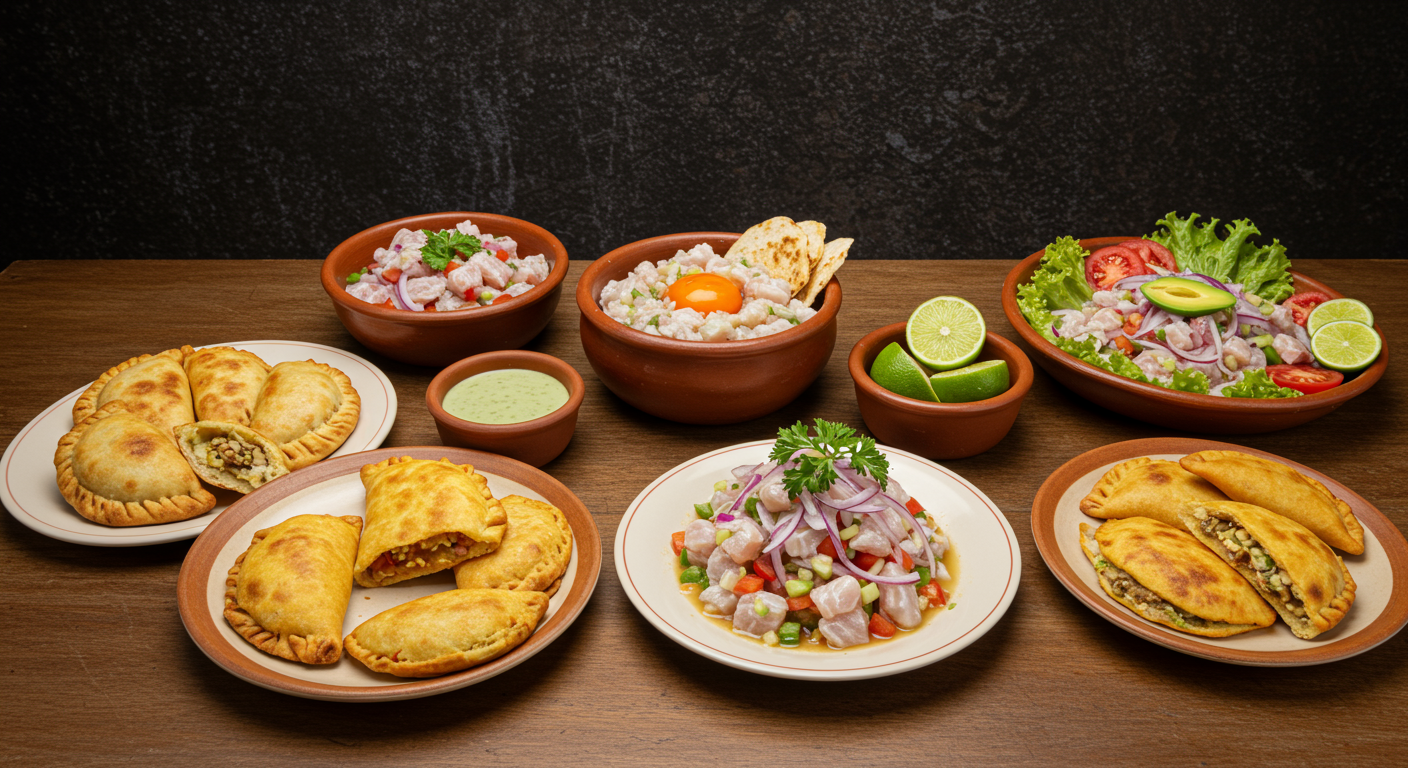
Ecuador's remarkable geography makes it a living cookbook of South American cuisine. Within this compact nation, you'll discover the Pacific coast's fresh ceviches, the Andes' ancient grains and tubers, and the Amazon's exotic fruits and proteins. This unique convergence of ecosystems and cultures creates a culinary landscape that perfectly captures the food traditions spanning the entire continent.
Coastal Traditions: Pacific South American Flavors
Ecuador's Pacific coastline shares culinary DNA with its neighbors, creating dishes that tell the story of South America's maritime food culture. Ceviche, the region's most celebrated coastal dish, transforms dramatically as you travel along Ecuador's shore—from citrus-forward preparations in the north to rich coconut milk versions further south.
The coastal regions showcase ingredients and techniques you'll encounter throughout tropical South America. Fresh seafood pairs beautifully with plantains, yuca, and coconut—a combination that spans from Colombia down to northern Peru. These ingredients reflect both the natural bounty of Pacific waters and the African influences brought by enslaved people who significantly shaped coastal cooking methods.
Traditional preparations like encebollado (a hearty fish and yuca stew) and bolón de verde (crispy fried plantain balls) demonstrate cooking techniques that cross borders effortlessly. The foundational use of cilantro, red onions, and lime juice creates a recognizable flavor profile that unifies diverse national traditions throughout the continent's coastal regions.
Highland Heritage: Andean Indigenous Foundations
In Ecuador's highlands, ancient Andean food traditions come alive through ingredients that have nourished South American civilizations for thousands of years. Quinoa, potatoes, and corn form the essential trinity of Andean cuisine, appearing in countless preparations across Ecuador, Peru, Bolivia, and beyond.
Time-honored cooking methods like pachamanca—where food slowly cooks underground with hot stones—connect Ecuador's highland cuisine to broader Andean practices. These techniques, perfected over centuries, maximize flavor while adapting to high-altitude cooking challenges where water boils at lower temperatures.
Guinea pig, known locally as cuy, represents one of highland cuisine's most distinctive features. This protein source, domesticated by Andean peoples millennia ago, remains central to ceremonial meals and showcases how indigenous food traditions endure across South America's mountain regions.
The sophisticated fermentation and preservation techniques developed in Ecuador's highlands mirror those found throughout the Andes. Chicha de jora, a traditional fermented corn beverage, connects Ecuadorian customs to similar drinks enjoyed from Colombia to northern Argentina, demonstrating how indigenous knowledge traveled along ancient mountain trade routes.
Amazon Influence: Rainforest Biodiversity on the Plate
Ecuador's Amazon region contributes ingredients and techniques that showcase the incredible biodiversity of South America's rainforest ecosystems. Fruits like cacao, açaí, and countless lesser-known varieties provide unique flavors found nowhere else on Earth, many now gaining recognition throughout the continent.
Indigenous hunting and fishing traditions in Ecuador's Oriente region demonstrate sustainable practices developed over thousands of years. These methods, which prioritize harmony with forest ecosystems, influence how proteins like fresh fish, wild game, and even insects are thoughtfully incorporated into meals across Amazonian South America.
The culinary use of medicinal plants represents another fascinating aspect of Amazonian cuisine. Many ingredients serve dual purposes as both nourishment and medicine, reflecting indigenous knowledge systems that view nutrition and health as naturally interconnected.
Colonial Fusion: Spanish and Indigenous Integration
The arrival of Spanish colonizers created the fusion cuisines that define much of modern South American cooking. In Ecuador, this cultural integration appears in dishes that masterfully combine indigenous ingredients with European techniques and livestock.
Bread, rice, and wheat transformed indigenous recipes throughout Spanish colonial territories. In Ecuador, these ingredients were thoughtfully incorporated into traditional preparations, creating hybrid dishes that spread across the colonial empire and established a shared vocabulary of fusion foods from Mexico to Chile.
Religious festivals introduced European food traditions that blended seamlessly with indigenous celebrations. Many of Ecuador's most beloved dishes originated during these colonial religious observances, creating a seasonal calendar of foods that connects Ecuadorian traditions to similar celebrations throughout Catholic South America.
Signature Dishes That Tell South America's Story
Locro de papa perfectly exemplifies how individual dishes can represent continental food traditions. This comforting potato stew appears throughout the Andes with regional variations, demonstrating how basic ingredients create beloved comfort foods that transcend borders while maintaining distinct local character.
Empanadas provide another delicious example of shared culinary heritage. Whether baked or fried, stuffed with meat, cheese, or vegetables, these golden pastries appear throughout South America with local adaptations that reflect regional preferences and seasonal ingredients.
Fermented beverages like chicha connect Ecuador to ancient traditions found throughout indigenous South America. These drinks, crafted from corn, quinoa, or tropical fruits, showcase how fermentation techniques developed independently across different regions while serving similar cultural and social functions.
Modern Evolution and Continental Connections
Contemporary Ecuadorian chefs are passionately rediscovering traditional ingredients and techniques, participating in a broader South American culinary renaissance. This exciting movement celebrates indigenous knowledge while creating innovative interpretations that honor ancestral traditions.
The current focus on biodiversity and sustainability in Ecuadorian cuisine reflects similar trends throughout South America. According to Ecuador Travel, chefs across the continent are actively collaborating to document and preserve traditional knowledge while adapting ancient techniques for modern kitchens.
Ecuador's role in this culinary evolution extends well beyond its borders. The country's unique position at the intersection of diverse ecosystems provides ingredients and inspiration that influence cooking throughout the region. From Lima's acclaimed restaurants to São Paulo's innovative kitchens, Ecuador's contributions to South American cuisine continue to evolve and inspire new generations of food lovers.