South American Cuisine Explained Through Ecuador’s Food
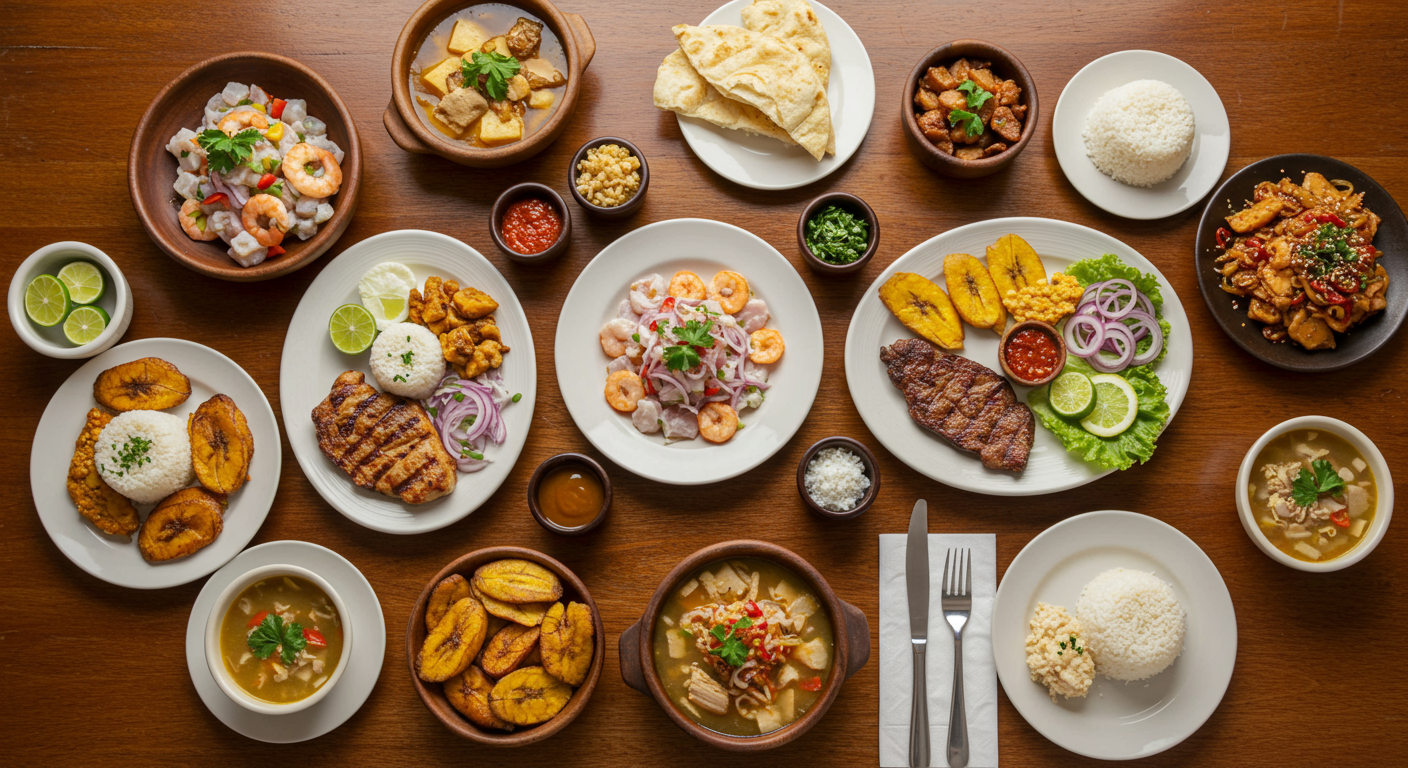
There is no single thing called “South American cuisine” in the way many diners imagine it. The continent is better understood as a collection of regional food traditions shaped by geography, climate, trade, and local ingredients. Ecuador is a useful place to see that clearly because, within one relatively compact country, you can move from Pacific seafood culture to Andean comfort food to Amazonian cooking traditions.
That makes Ecuador a helpful guide to broader South American patterns. It is not a stand-in for the entire continent, but it does show how landscape shapes what people grow, catch, cook, and crave.
Why Ecuador Is a Useful Way to Understand South American Cuisine
One of the easiest mistakes to make with South American food is to expect a single, all-purpose definition. In practice, cuisines across the continent are deeply regional. Coastal cooking often leans on seafood, citrus, and tropical crops. Mountain food tends to be heartier, built around soups, potatoes, corn, and roasted or stewed meats. Tropical and forested regions bring their own ingredients, cooking methods, and local traditions.
Ecuador contains all of those contrasts in a way that is easy to grasp. Its coast, highlands, and Amazon each contribute distinct flavors and dishes, making the country a practical lens for diners who want to understand why South American food varies so much from place to place.
Geography Shapes the Plate More Than National Borders
Across South America, geography often explains food better than political boundaries do. Elevation affects which crops grow well. Climate changes what is available year-round. Access to the sea creates seafood-rich cuisines, while mountain regions rely more on grains, tubers, dairy, and preserved or slow-cooked foods.
Ecuador shows this pattern especially well. The Pacific coast favors fish, shrimp, plantains, peanuts, and coconut. The Andes bring potatoes, corn, pork, cheese, and warming soups. In the Amazon, cooking reflects rainforest biodiversity and local traditions. In other words, one country can contain several culinary worlds at once.
On the Coast, Seafood and Bright Flavors Define the Table
Ecuador’s coast is one of the best examples of how South American seaside cooking develops its own identity. Seafood is central, and the dishes often feel bright, fresh, and direct. Ceviche is perhaps the most internationally recognizable example, though Ecuadorian versions are often more brothy and can include shrimp, fish, or shellfish. Encebollado, a beloved fish soup with yuca and pickled onion, is another signature coastal dish and a favorite comfort food for many Ecuadorians.
Common coastal ingredients include citrus, red onion, peanuts, coconut, and plantains. Together, they give the food both freshness and richness. Encocados, for example, use coconut in savory seafood preparations that feel distinctly tied to the coast. It is a good reminder that coastal South American cuisine is not just “seafood,” but seafood shaped by local crops and local flavor traditions.
In the Highlands, Andean Staples Become Hearty Comfort Food
If the coast tastes bright and marine, the highlands taste grounding and substantial. Andean cooking in Ecuador leans heavily on corn, potatoes, pork, cheese, soups, and stews. The food is often filling, practical, and closely tied to the rhythms of mountain agriculture.
Llapingachos, potato patties often served with cheese and accompaniments, are a good example of how humble staples become memorable dishes. Locro de papa, a creamy potato soup, shows the importance of tubers and dairy in highland cooking. Hornado and fritada highlight another side of Andean cuisine: expertly cooked pork, often served with corn, potatoes, plantains, or mote.
These foods also connect Ecuador to broader Andean traditions that extend into neighboring countries. The exact dishes differ from place to place, but the reliance on potatoes, corn, hearty soups, and mountain-friendly ingredients is part of a larger regional pattern across the Andes.
The Amazon Adds Another Layer to the Story
Ecuador’s Amazon region reinforces the main lesson of the country’s food culture: cuisine changes with the landscape. The ingredients, techniques, and local traditions of the Amazon do not simply repeat what appears on the coast or in the highlands. The region adds another culinary layer shaped by rainforest conditions, river life, and biodiversity.
For diners, the key point is not memorizing every Amazonian dish. It is understanding that even within one country, food can shift dramatically when the environment changes. That same principle helps explain culinary diversity across South America as a whole.
The Staples That Link Ecuador to the Rest of South America
Although South American cuisine is not uniform, certain staple ingredients appear again and again. In Ecuador, as in much of the continent, corn, potatoes, yuca, rice, plantains, beans, and chili peppers form part of the everyday foundation. What changes is how those ingredients are combined, seasoned, and served.
Plantains might become bolón de verde on the coast. Potatoes might become locro de papa or llapingachos in the highlands. Yuca may appear in soups, sides, or regional specialties. Rice can sit beside seafood on the coast or meat in other regions. Shared staples do not create one identical cuisine; they create a flexible base for many local styles.
A Short Guide to Signature Ecuadorian Dishes
Ceviche: In Ecuador, this usually refers to a citrusy seafood preparation that is often served with more liquid than some other versions in Latin America. It is especially associated with coastal dining.
Encebollado: A fish and yuca soup topped with pickled onion. It is one of Ecuador’s most iconic coastal dishes and a great introduction to the country’s seafood tradition.
Bolón de verde: A dense, savory ball made from green plantain, often mixed with cheese or pork. It is a useful dish to know when ordering breakfast or snacks in coastal areas.
Llapingachos: Potato patties, often griddled and served with cheese alongside a larger plate of sides. This is classic highland comfort food.
Locro de papa: A rich potato soup, usually associated with the Andes. It shows how central potatoes are to mountain cuisine.
Hornado: Roast pork, often served with traditional sides such as mote, potatoes, or plantains. It is one of the most recognizable meat dishes of the highlands.
Fritada: Pork cooked until tender and flavorful, then finished for texture. Like hornado, it belongs to the hearty, satisfying style of Andean food.
For Dining-Out readers, these dishes are useful anchors. If you know which region they come from and which staple ingredient defines them, menus start to make a lot more sense.
What Ecuador Teaches About South American Cuisine
The biggest lesson from Ecuador’s food is simple: South American cuisine makes more sense when you think in terms of geography, staple crops, and regional traditions rather than one broad label. Coast, mountains, and rainforest each create different ingredients, techniques, and signature dishes.
Ecuador makes these patterns especially easy to see because the contrasts are so clear. For diners, the practical takeaway is straightforward: when you encounter “South American” food, look for the region, the staples, and the cooking style. That will tell you far more than the continent-wide label ever could.