South American Cuisine Explained Through Ecuador's Food
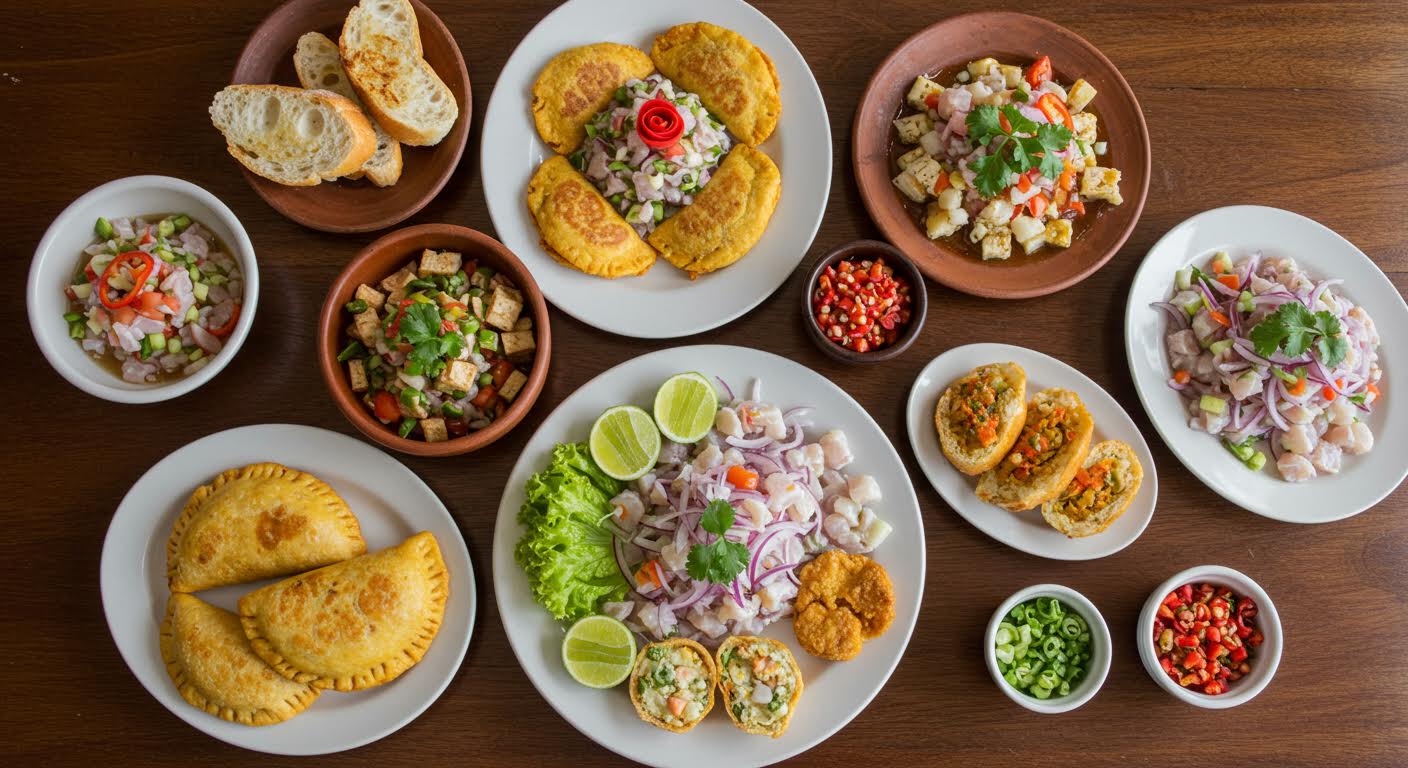
Want to understand South American cuisine? Look no further than Ecuador. This compact country packs an incredible culinary punch, with three distinct ecosystems—Pacific coast, towering Andes, and lush Amazon rainforest—each contributing flavors and techniques that tell the story of an entire continent.
Why Ecuador is South America's Culinary Sweet Spot
Ecuador might be small, but it's perfectly positioned to showcase everything that makes South American food special. The country's three regions offer a complete picture of continental cooking: coastal seafood traditions, highland indigenous ingredients, and rainforest biodiversity—all in one delicious package.
This geographic diversity means Ecuador has preserved ancient indigenous cooking techniques while embracing colonial influences and modern innovations. It's like having a greatest hits album of South American cuisine, with each region contributing its own distinctive voice to the continental chorus.
Coastal Treasures: Where Ceviche Reigns Supreme
Ecuador's Pacific coast serves up the oceanic side of South American cuisine in spectacular fashion. Ceviche here isn't just a dish—it's an art form that varies from Colombia to Chile, but reaches particular heights along Ecuador's shoreline.
What makes Ecuadorian ceviche special? Think shrimp or fish "cooked" in citrus acids, but served alongside plantains, sweet potato, and corn. These aren't random additions—they represent ingredients and techniques shared throughout tropical South America. Some coastal dishes even incorporate coconut milk, echoing preparations found along Colombia's Caribbean coast and northern Peru.
Plantains deserve special mention as the ultimate coastal multitasker. From crispy patacones to sweet maduros, these versatile fruits appear in dozens of preparations that spread throughout South America via ancient trading routes. Master plantain cooking, and you've unlocked a key to understanding coastal cuisine from Ecuador to Brazil.
Highland Heartiness: Ancient Andean Wisdom
Head into Ecuador's highlands, and you'll discover cooking traditions that stretch along the entire Andean spine. Here, three ingredients rule the kitchen: quinoa, potatoes, and corn—the same trinity that has sustained mountain communities from Ecuador to northern Argentina for centuries.
Take locro, a soul-warming potato stew that appears in various forms throughout Andean countries. Ecuador's version features cheese and fresh herbs, while similar preparations in Peru, Bolivia, and beyond incorporate their own local touches. The technique remains the same—it's the regional personality that changes.
Traditional clay pot cooking survives in these highlands, preserving methods that create similar flavors and textures throughout the Andes. When you taste food cooked this way in Ecuador, you're experiencing techniques that connect mountain communities across thousands of miles.
Amazon Adventures: Wild Ingredients, Ancient Knowledge
Ecuador's slice of the Amazon opens doors to ingredients and techniques shared across the world's largest rainforest. Yuca (cassava) preparation here mirrors methods used throughout Brazil, Peru, and Colombia—a testament to indigenous knowledge systems that transcend modern borders.
The biodiversity here is mind-blowing. Ecuador's Amazonian cuisine features exotic fruits like cacao and passion fruit alongside unique proteins such as guinea pig and river fish. These same ingredients pop up in different combinations across Amazonian South America, creating a web of shared flavors and techniques.
Indigenous communities here practice hunting and fishing methods passed down through generations, creating cooking traditions that appear throughout the rainforest basin. It's a reminder that some of South America's best food wisdom comes from its oldest cultures.
Colonial Fusion: When Two Worlds Collided
Spanish colonization created similar culinary evolution patterns across South America, and Ecuador's fusion dishes perfectly illustrate this continental story. The introduction of pork, beef, and European techniques created hybrid cuisines that share DNA from Venezuela to Argentina.
Religious celebrations shaped food preparation in remarkably consistent ways across former Spanish colonies. Ecuador's Christmas and Easter dishes share ingredients and techniques with celebrations throughout South America, showing how Catholic traditions influenced continental food culture.
This mestizaje—cultural mixing—created new dishes and methods that appear throughout South America with local twists. Ecuador's colonial fusion cuisine isn't unique to Ecuador; it's representative of continent-wide patterns that make South American food so fascinating.
Signature Dishes That Speak Volumes
Every great Ecuadorian dish tells a broader South American story. Hornado—slow-roasted pork with hominy and vegetables—reflects roasted meat traditions found everywhere from Colombia's lechona to Argentina's legendary asado, just adapted to local tastes and ingredients.
Empanadas appear throughout Ecuador in forms that mirror similar filled pastries across the continent. Whether you're eating Venezuelan empanadas or Argentina's empanadas criollas, you're experiencing variations on the same brilliant concept: seasoned fillings wrapped in pastry perfection.
Aji peppers provide the heat that defines Ecuadorian cuisine, part of a pepper tradition extending across South America. From Ecuador's aji amarillo to Peru's fiery rocoto and Brazil's malagueta, these spice profiles create the distinctive heat levels that make South American cooking so addictive.
The Future of South American Cuisine, Ecuadorian-Style
Today's Ecuadorian chefs are elevating traditional South American ingredients using modern techniques—a movement visible throughout the continent's major cities. Restaurants in Quito and Guayaquil showcase ancient grains, indigenous vegetables, and traditional proteins in exciting new ways.
This evolution maintains deep connections to indigenous knowledge while pushing boundaries. Efforts to preserve traditional cooking methods and ingredient varieties reflect similar conservation initiatives throughout South America, ensuring these culinary treasures survive for future generations.
While global recognition often focuses on countries like Peru and Argentina, Ecuador's comprehensive representation of continental food traditions makes it the perfect starting point for anyone wanting to truly understand South American cuisine. It's all here, waiting to be discovered one delicious bite at a time.