Shrimp in Ecuador: From Farm to Table
Shrimp in Ecuador: From Farm to Table
Few ingredients capture the character of Ecuadorian dining quite like shrimp. Far beyond its role as a major export commodity, shrimp is woven into the everyday culinary identity of the country, appearing on menus from casual coastal eateries to upscale restaurants in the Andes. Understanding how shrimp moves from farm to table offers a window into what makes Ecuadorian dining distinct: a direct, often visible connection between a massive aquaculture industry and the plates diners enjoy. Ecuador has grown into one of the world's leading producers and exporters of farmed shrimp, and that industrial strength quietly shapes the flavor, freshness, and accessibility of shrimp dishes nationwide.
The Roots of the Industry: Coastal Aquaculture
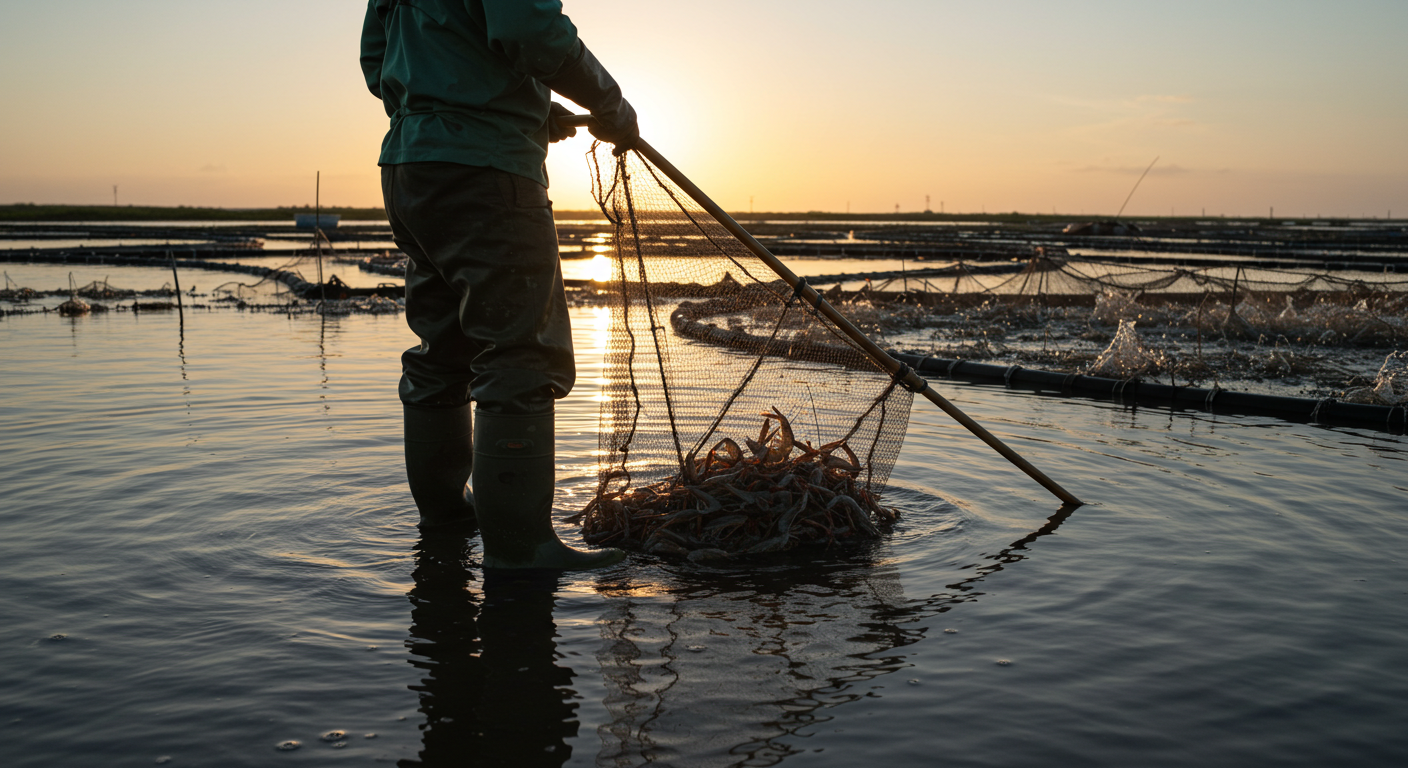
Ecuador's shrimp industry is concentrated along its Pacific coastline, particularly in the provinces of Guayas, El Oro, and Manabí. These regions offer the warm waters, tidal estuaries, and flat coastal terrain well suited to pond-based aquaculture. Much of the country's production relies on extensive farming systems, where shrimp are raised in large, semi-natural ponds at lower densities, a contrast to the more intensive, high-density systems used in some other shrimp-producing nations. This extensive approach has become closely associated with Ecuador's reputation for quality, and the coastal geography and climate continue to make large-scale cultivation possible year-round.
From Hatchery to Harvest: The Supply Chain
The journey of Ecuadorian shrimp begins long before it reaches a farm pond. Hatcheries breed and develop shrimp larvae under controlled conditions before they are transferred to grow-out farms, where they mature over a period of months. Once harvested, shrimp move to processing plants for sorting, quality control, and packaging. From there, product is split between two paths: a significant share is prepared for export logistics, shipped to international commodity markets, while a portion remains within domestic distribution channels, supplying local markets and restaurants across the country.
Industry Oversight and Global Trade Dynamics
Ecuador's shrimp sector operates within a framework of industry and governmental oversight. The National Chamber of Aquaculture plays a role in supporting sector standards and coordinating industry interests. On the international side, data and analysis from the Food and Agriculture Organization, the World Bank, and the U.S. Department of Agriculture help track production volumes and trade flows, offering a broader picture of how Ecuador fits into global seafood markets. Trade press coverage, including reporting from Reuters and SeafoodSource, also covers commodity pricing and availability trends that can influence how shrimp moves through both export and domestic markets.
Sustainability and Farming Practices
As global attention to environmental impact grows, sustainability has become an increasingly prominent theme within Ecuador's aquaculture sector. Many observers note a growing emphasis on responsible farming practices aimed at reducing ecological strain from large-scale shrimp cultivation. These considerations are beginning to shape sourcing decisions for some restaurants, particularly those marketing themselves around quality or environmental responsibility. Balancing the economic importance of export demand with local ecological considerations remains an ongoing conversation within the industry, one that continues to evolve as production scales.
Shrimp on the Ecuadorian Table: Signature Dishes
The scale of Ecuador's shrimp industry directly supports its rich culinary tradition. Ceviche de camarón, made with fresh shrimp marinated in citrus, is widely regarded as a national favorite, found on menus from beachside stalls to formal dining rooms. Encocado de camarón, a coconut-based coastal specialty, highlights the Afro-Ecuadorian culinary influence found along the coast. Shrimp also appears in a variety of rice-based preparations and regional specialties served in restaurants throughout the country, reflecting how deeply the ingredient is embedded in everyday Ecuadorian cuisine.
From Farm to Restaurant: Freshness and Quality
For many restaurants, proximity to shrimp farms and processing facilities is a meaningful advantage, supporting access to fresh product with minimal transit time. The same quality standards that apply to export-grade shrimp often inform what is available domestically, giving diners access to product that meets international benchmarks. At the same time, availability and pricing for restaurants can be affected by broader global commodity trends, since shrimp is traded on international markets that respond to demand, currency shifts, and production cycles elsewhere in the world.
Conclusion: A Dish Rooted in Industry and Identity
Ecuador's strength as a global shrimp producer and its vibrant dining culture are deeply intertwined. The same aquaculture infrastructure that positions the country as a major exporter also ensures that shrimp remains an accessible, celebrated ingredient in everyday Ecuadorian cooking. Shrimp stands as a source of national pride both on the export market and on the plate, a dual identity unlikely to fade. As sustainability practices continue to develop, they are likely to further shape how shrimp is farmed, sourced, and served in Ecuadorian restaurants for years to come.