Shrimp in Ecuador: From Farm to Table
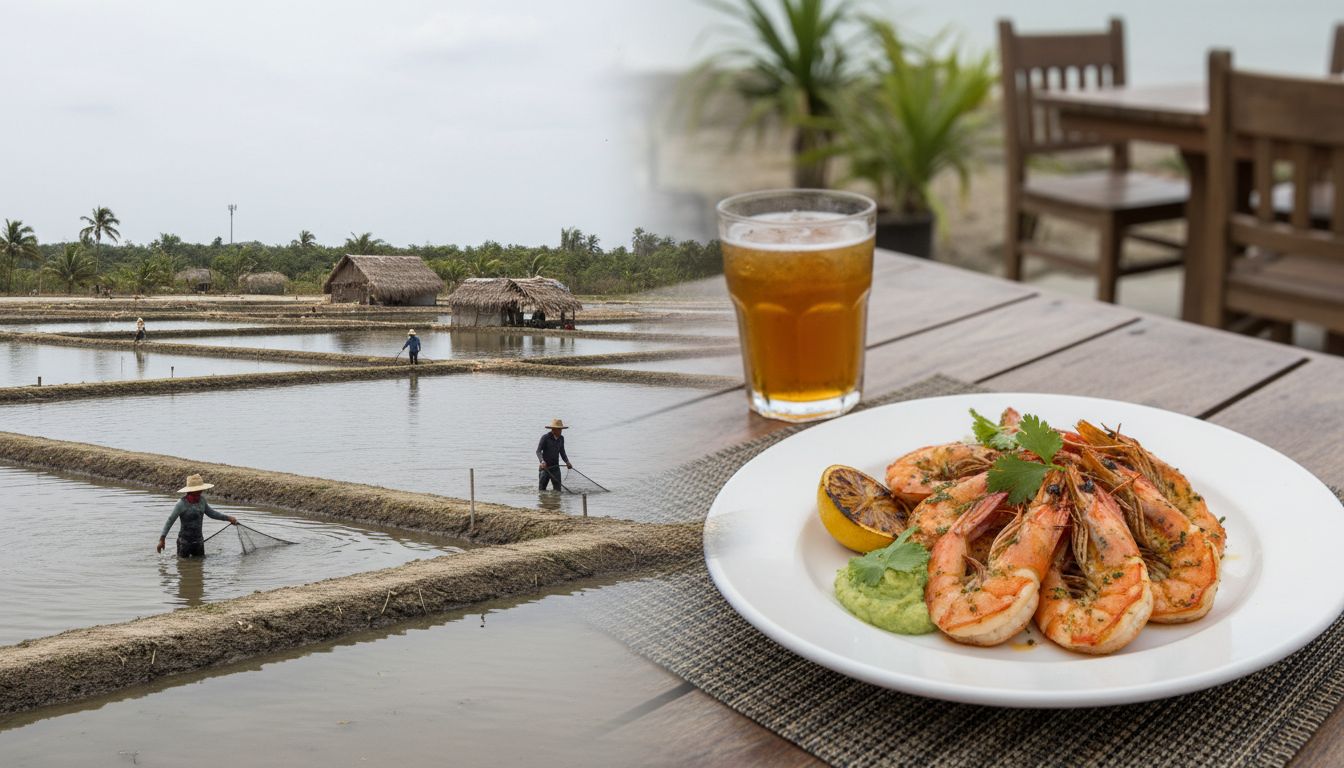
Shrimp in Ecuador: From Farm to Table
Few ingredients connect Ecuador's coastline to dinner tables around the world as directly as shrimp. Over the past few decades, the country has built one of the largest and most sophisticated farmed shrimp industries on the planet, turning what was once a modest coastal trade into a major pillar of the national economy. For diners, understanding this journey—from pond to plate—adds a layer of appreciation to a dish that shows up on menus from Guayaquil to global export markets.
Ecuador's Shrimp Boom: A Global Powerhouse
Ecuador has emerged as one of the top farmed shrimp exporters in the world, a position built on decades of investment in coastal aquaculture infrastructure. The bulk of this production is concentrated along the Pacific coast, particularly in the provinces of Guayas, El Oro, and Manabí, where estuaries and tidal flats provide ideal conditions for shrimp farming ponds.
The scale of the industry is significant to Ecuador's broader economy. Shrimp exports represent one of the country's largest non-oil sources of foreign revenue, supporting employment across farming communities, processing towns, and port logistics. This economic footprint has made the sector a focal point for both domestic policy and international trade relationships.
From Coastal Farms to Processing Plants
The journey begins in coastal aquaculture ponds, where shrimp are raised in carefully managed water systems designed to optimize growth while managing environmental variables like salinity and oxygen levels. Farming practices vary across operations, but many have moved toward more controlled, semi-intensive systems that aim to balance yield with environmental considerations.
Once harvested, shrimp move quickly from farm ponds to processing facilities, where they are sorted, cleaned, and prepared for either the export market or domestic distribution. Speed and cold-chain management at this stage are critical to preserving freshness and quality.
Industry oversight in Ecuador is coordinated in part through the Camara Nacional de Acuacultura, known as CNA-Ecuador, a national trade body that works with producers on standards, best practices, and representation in international trade discussions. This kind of industry coordination has played a role in professionalizing the sector as it has scaled.
Sustainability and Certification in the Supply Chain
As global demand for shrimp has grown, so has scrutiny of how it's produced. The Global Seafood Alliance offers certification standards that many Ecuadorian producers pursue, giving buyers and consumers a way to identify farms that meet specific environmental and social responsibility benchmarks.
Data from the Food and Agriculture Organization, or FAO, on Ecuador's fishery and aquaculture sector provides additional context on production volumes and industry trends over time, offering a broader picture of how the country's aquaculture practices compare globally.
Many observers note that sustainability efforts in the industry are ongoing rather than fully resolved, with continued attention to issues like mangrove conservation, water management, and responsible sourcing practices. Industry groups have pointed to certification programs and FAO-tracked data as evidence of progress, even as the work of balancing production growth with environmental stewardship continues.
Market Dynamics: Ecuador vs. the World
Ecuador competes directly with other major shrimp-producing nations, particularly India and Vietnam, for share of the global export market. Coverage from outlets including Reuters, Bloomberg, and SeafoodSource has tracked shifting pricing trends and trade patterns among these competitors, reflecting a market that responds to factors like feed costs, currency fluctuations, and international demand cycles.
These global dynamics have a direct effect on what's available both internationally and within Ecuador itself. When export demand is strong, producers often prioritize shipments abroad; when global prices soften, more product may be redirected toward domestic markets, influencing what shows up in local seafood cases and restaurant kitchens.
From Export Dock to Dinner Table
For diners, the farm-to-table journey of Ecuadorian shrimp has real implications for freshness and quality. Shrimp that moves efficiently through well-managed cold chains—from pond to processing plant to kitchen—tends to retain better texture and flavor than product that sits through delays at any stage.
Those choosing shrimp dishes, whether in Ecuador or abroad, may find it worthwhile to ask about sourcing: where the shrimp was farmed, how it was processed, and whether the supplier follows recognized industry or certification standards. These details don't just matter for sustainability-minded diners—they often correlate with the dish's overall quality on the plate.
Beyond the supply chain mechanics, shrimp holds genuine culinary significance in Ecuadorian cuisine, appearing in everything from ceviche to rice dishes to simple grilled preparations that let the ingredient's natural sweetness shine. That same versatility has helped Ecuadorian shrimp find a place on international menus, linking coastal farms directly to dining experiences far beyond the country's borders.