Shrimp in Ecuador: From Farm to Table
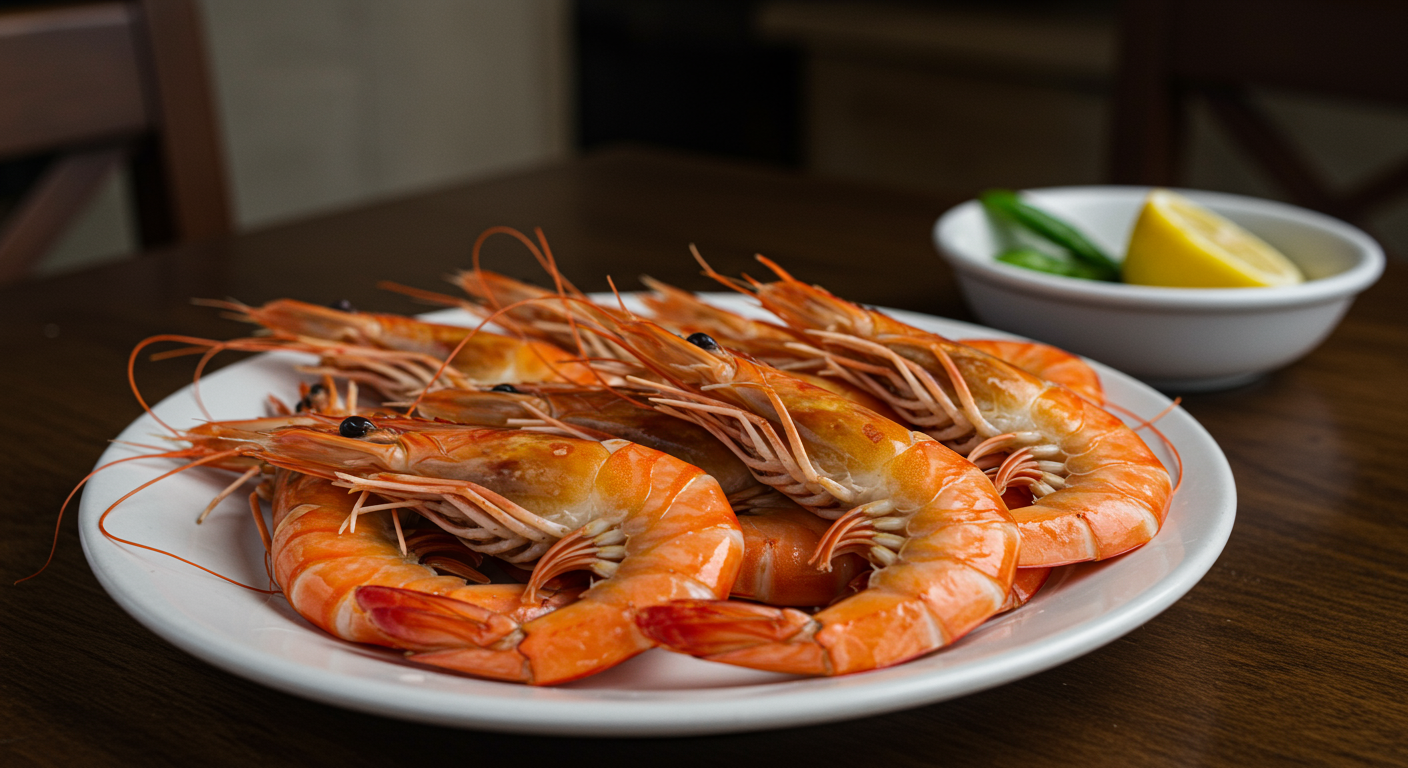
Ecuador has earned its place as one of the world's premier shrimp producers, creating a remarkable farm-to-table story that unfolds from coastal aquaculture operations to vibrant dining experiences across the country. This journey showcases how modern farming techniques, efficient distribution systems, and rich culinary traditions combine to bring exceptional shrimp to your plate.
Ecuador's Shrimp Success Story
Ecuador ranks among the top three global shrimp producers, with the industry serving as a cornerstone of the country's economy. The sector generates billions in export revenue annually, making it one of Ecuador's most valuable non-oil exports alongside bananas and cocoa.
What makes Ecuador's shrimp so special? The answer lies in geography. Ecuador's extensive Pacific coastline offers ideal conditions: warm waters, perfect salinity levels, and favorable climate that create a natural haven for shrimp cultivation. The provinces of Guayas, El Oro, Manabí, and Esmeraldas host thousands of hectares of shrimp farms, employing hundreds of thousands of workers and supporting entire coastal communities.
Over the past three decades, the industry has transformed from small-scale family operations to sophisticated commercial enterprises that compete on the global stage.
Life on the Farm: Sustainable Aquaculture
Step onto a modern Ecuadorian shrimp farm, and you'll witness a blend of nature and technology. Farmers utilize advanced pond systems with careful water management, sophisticated aeration technology, and strict biosecurity measures to ensure optimal growing conditions.
Sustainability isn't just a buzzword here—it's essential for long-term success. Many operations pursue international certifications like Best Aquaculture Practices and Aquaculture Stewardship Council standards, ensuring environmental responsibility and social accountability throughout production.
Quality control begins from day one. Farmers monitor water quality daily, manage specialized feeds, and conduct regular health assessments. They carefully track growth cycles, typically harvesting shrimp after 90-120 days when they reach optimal size and flavor. This meticulous attention ensures only the finest specimens make it to your table.
The Journey to Your Plate
Once harvested, time becomes critical. Shrimp move rapidly through Ecuador's sophisticated processing infrastructure, with modern facilities strategically located near farming areas to maintain peak freshness. These plants meet strict international standards, including HACCP protocols and FDA approval for export markets.
The cold chain logistics system maintains consistent temperatures from processing through distribution—a crucial factor in preserving the sweet, delicate flavor shrimp lovers crave. Advanced freezing techniques, including Individual Quick Freezing, allow for precise portioning while preserving natural texture.
Well-established distribution networks move processed shrimp from coastal processing centers to urban markets, restaurants, and export terminals. Fresh and frozen shrimp reach destinations across Ecuador within hours of processing, maintaining the cold chain integrity that preserves quality.
Ecuador's Shrimp on Your Table
Ecuadorian cuisine celebrates shrimp in countless ways, from street-side cevicherías to upscale restaurants. The coastal regions particularly shine in showcasing the versatility of fresh shrimp through dishes that highlight natural flavors.
Take ceviche de camarón, where fresh shrimp is "cooked" in citrus juices and combined with red onions, cilantro, and spicy ají peppers. The acid from lime and lemon gently firms the shrimp while infusing it with bright, zesty flavors.
Then there's encebollado, often called Ecuador's national soup, which frequently features plump shrimp alongside fresh fish, tender yuca, and tangy pickled onions. Each coastal province offers its own interpretation—from Manabí's hearty, rustic versions to Guayas' more refined preparations.
Restaurant chefs throughout Ecuador have embraced local shrimp, incorporating them into both time-honored dishes and innovative fusion cuisine. You'll find everything from simple grilled preparations that showcase the shrimp's natural sweetness to complex sauces and accompaniments that complement their delicate flavor.
Where to Find Ecuador's Best Shrimp
For the ultimate shrimp dining experience, head to the coast. Guayaquil's riverside restaurants offer sophisticated dining environments where skilled chefs prepare daily catches with expert technique and beautiful presentation.
Don't overlook traditional markets throughout coastal cities, where local vendors prepare shrimp dishes using methods passed down through generations. These venues provide authentic experiences where you can taste regional specialties and connect with local food culture in casual, welcoming settings.
Timing matters when it comes to shrimp quality. Peak seasons typically occur during dry months when farming conditions are optimal and harvests are most abundant. During these periods, restaurants often feature special shrimp-focused menus showcasing seasonal preparations at their finest.
Many coastal restaurants maintain direct relationships with local farms, ensuring the shortest possible journey from harvest to plate. Look for establishments that advertise these farm partnerships—they often provide the freshest shrimp prepared within hours of harvest, delivering an unmatched dining experience that truly captures Ecuador's farm-to-table shrimp story.