Shrimp in Ecuador: From Farm to Table
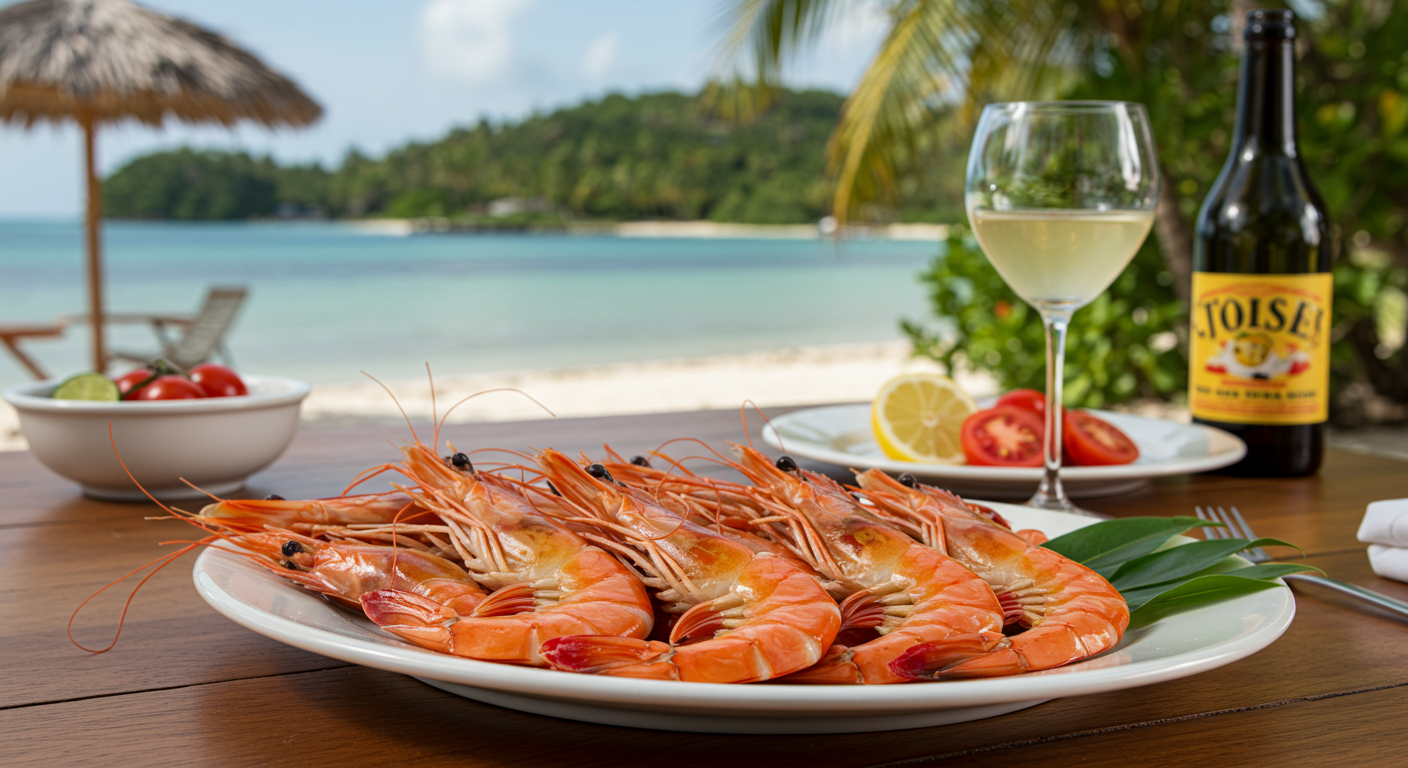
Ecuador's shrimp industry is one of the country's greatest success stories, transforming sleepy coastal regions into bustling aquaculture hubs that feed both local families and fine dining establishments around the world. It's a remarkable journey that showcases decades of innovation, sustainability, and an unwavering commitment to quality.
Ecuador's Rise as a Global Shrimp Powerhouse
Ecuador consistently ranks among the world's top three shrimp producers, going head-to-head with giants like China and India. The industry generates billions in annual export revenue and employs hundreds of thousands of people across coastal provinces—a true economic lifeline for these communities.
What makes Ecuador so special for shrimp farming? Mother Nature couldn't have designed a better setup. The Pacific coastline offers warm waters, perfect salinity levels, and extensive mangrove ecosystems that serve as natural nurseries. Provinces like Guayas, El Oro, and Manabí have transformed into shrimp capitals, with thousands of hectares dedicated to these thriving operations.
Modern Farming: Where Science Meets the Sea
Ecuador's shrimp farming has come a long way since its humble beginnings in the 1970s. Today's operations are marvels of aquaculture engineering, featuring sophisticated pond systems that carefully manage every aspect of the growing environment.
The process starts with shallow earthen ponds filled with brackish water, where baby shrimp grow for about three to four months. Think of it as underwater agriculture—water management systems constantly monitor oxygen, pH, and temperature, while aerators keep everything flowing smoothly.
Feeding has become an art form. Farmers use nutritionally balanced formulations that promote healthy growth while being kind to the environment. Many operations now use probiotics and natural supplements, reducing the need for antibiotics and chemicals.
Quality control starts right at the pond. Regular health checks, water testing, and meticulous record-keeping mean every batch can be traced from its original pond all the way to your plate.
What Makes Ecuadorian Shrimp So Special
Ecuadorian shrimp—primarily Pacific white shrimp—have earned a stellar reputation for good reason. They're bigger, firmer, and sweeter than most of their international counterparts. The combination of perfect growing conditions and careful farming results in shrimp that simply taste better.
These aren't your average grocery store shrimp. Ecuadorian varieties have a clean, sweet flavor and firm, succulent meat that holds up beautifully whether you're grilling, sautéing, or preparing them in a rich seafood stew. Size options range from large prawns perfect for upscale restaurants to smaller varieties ideal for home cooking.
The Journey to Your Plate
Getting shrimp from pond to plate requires military-level logistics. Freshly harvested shrimp are rushed in refrigerated trucks to processing facilities, where they're cleaned, sized, and packaged within hours—talk about farm-to-table efficiency.
The National Aquaculture Chamber of Ecuador reports that processing standards vary by destination, with export facilities maintaining rigorous international certifications. Domestic processors focus on delivering the freshest possible product to local markets.
Every step is tracked and traced. If there's ever a quality question, processors can pinpoint exactly which pond that shrimp came from and when it was harvested. Cold chain management keeps everything perfectly chilled from processing to final destination.
From Local Markets to World-Class Restaurants
In coastal Ecuador, you might find shrimp in your local market within 24 hours of harvest. Inland destinations get properly frozen products that maintain all the quality and flavor of their fresh counterparts.
But the real star power comes from international markets. Ecuadorian shrimp grace tables at top restaurants across the United States, Europe, and Asia. Professional chefs specifically seek them out for their consistent quality and impressive size.
The difference is noticeable. Anyone who's tasted properly prepared Ecuadorian shrimp alongside imported alternatives will tell you—there's simply no comparison in terms of flavor and texture.
Sustainability: Protecting Tomorrow's Harvest
Today's shrimp farmers understand that environmental responsibility isn't just good ethics—it's good business. Modern operations implement waste treatment systems, support mangrove conservation, and practice responsible water management.
Certification programs like the Aquaculture Stewardship Council and Best Aquaculture Practices have become industry standards. The Ecuador Shrimp Organization reports that these certifications not only open doors to premium markets but demonstrate genuine commitment to environmental stewardship.
Innovation continues with exciting developments in feed efficiency, disease prevention, and integrated farming systems that combine shrimp cultivation with complementary practices like salt production and mangrove restoration. It's aquaculture with a conscience, ensuring that future generations can enjoy the same exceptional shrimp we savor today.