Shrimp in Ecuador: From Farm to Table
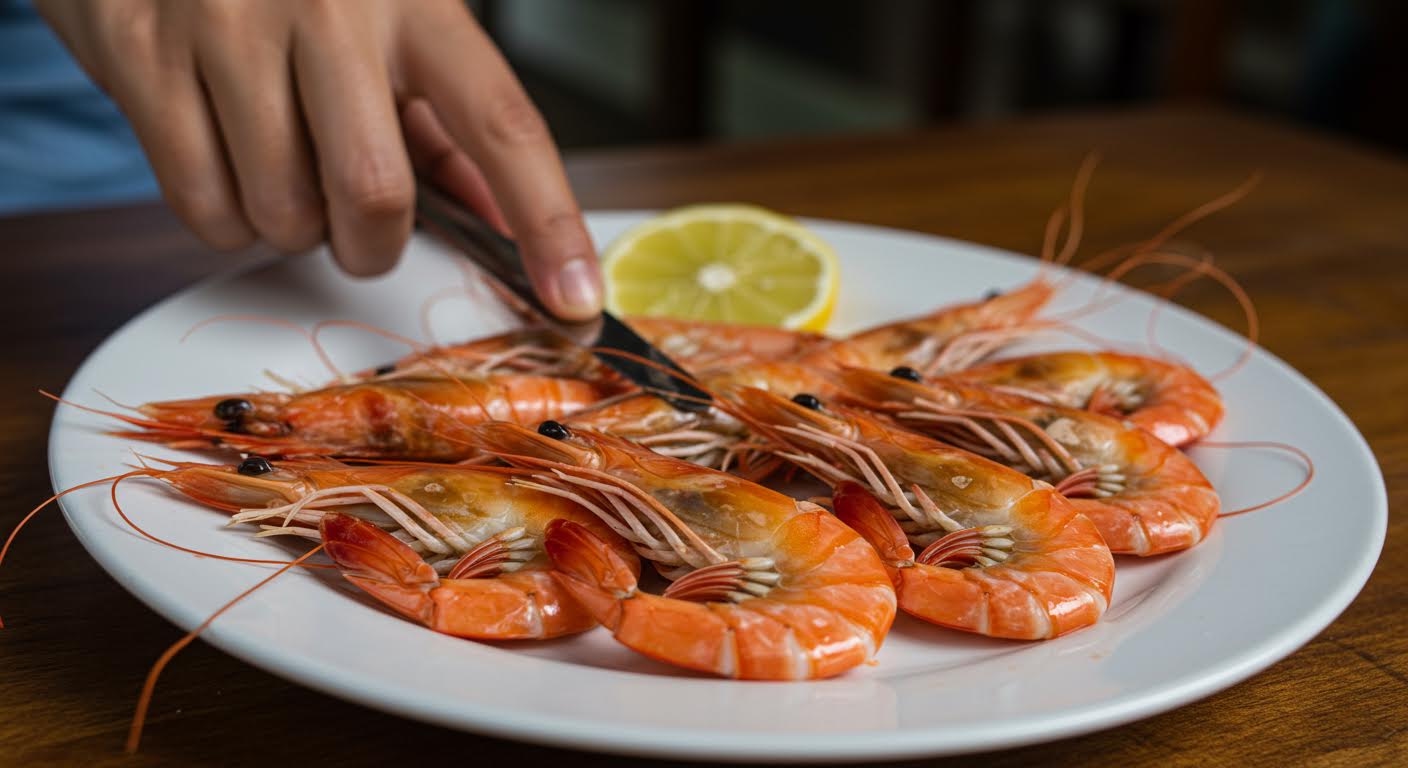
Ecuador ranks among the world's top shrimp producers, with coastal aquaculture operations feeding both local tables and international markets. This booming industry drives Ecuador's economy while providing the foundation for some of the country's most beloved seafood dishes. The journey from farm to table reveals how fresh, high-quality shrimp make their way to restaurants and markets nationwide.
Ecuador's Shrimp Farming: Coastal Aquaculture Operations
Most of Ecuador's shrimp production happens along the country's extensive coastline, where perfect climate and geography create ideal conditions for aquaculture. Operations range from traditional pond systems used for decades to cutting-edge intensive farms that maximize production while maintaining quality.
Shrimp farming follows seasonal cycles, with harvests typically occurring every 90 to 120 days depending on species and farming methods. The most popular variety is white shrimp (Penaeus vannamei), loved for its size, flavor, and versatility in cooking.
Today's Ecuadorian shrimp farms increasingly embrace sustainable practices. According to CNA Ecuador, modern operations use advanced water management systems that reduce environmental impact while maintaining high production standards. These farms balance productivity with environmental care, protecting coastal ecosystems for future generations.
Processing and Quality Control
Fresh-caught shrimp get processed immediately to lock in freshness and quality. This crucial step happens within hours of harvest, with processing facilities strategically located near farms to minimize transport time and preserve quality.
Processing facilities follow strict food safety protocols, especially for export-bound shrimp. The Food and Agriculture Organization notes that these same high standards benefit local consumers, ensuring domestically sold shrimp meets international quality benchmarks. Processing includes cleaning, sizing, and packaging based on market destination.
Cold chain management starts right after processing. Temperature-controlled storage and transport systems maintain optimal conditions throughout the entire distribution network - crucial for preserving both safety and taste.
Distribution Networks: Getting Shrimp to Market
The trip from processing facility to your plate involves a sophisticated network designed to keep shrimp fresh while efficiently serving local and export markets. Domestic distribution prioritizes speed and temperature control, with most locally consumed shrimp reaching markets within 24 to 48 hours of harvest.
Different channels serve different markets. Fresh shrimp for upscale restaurants follow expedited routes with premium handling, while products for local markets use established supply chains that balance cost and quality.
Cold chain logistics remain critical throughout distribution. Refrigerated trucks and storage facilities maintain consistent temperatures from processing plant to final sale, ensuring consumers get products with optimal flavor and texture.
Shrimp in Ecuadorian Dining Culture
Ecuadorian restaurants showcase shrimp in countless traditional and modern preparations, reflecting both coastal culinary heritage and contemporary dining trends. Popular dishes include ceviche de camarón, encocado de camarón, and various grilled preparations that highlight fresh shrimp's natural sweetness.
Regional cooking styles reflect local tastes and available ingredients. Coastal restaurants often feature simple preparations that emphasize freshness, while inland establishments may use more complex seasonings and techniques to complement the seafood.
Prices vary widely across dining establishments - from affordable street food to premium restaurant presentations. This range keeps quality Ecuadorian shrimp accessible across economic segments while supporting high-end dining experiences.
Selecting Fresh Shrimp: What Diners Should Know
Knowing freshness signs helps you make smart choices when dining out or shopping at local markets. Fresh shrimp should smell clean and ocean-like, never strongly fishy. The flesh should look translucent and firm, with shells that fit tightly without gaps or discoloration.
When dining out, ask about sourcing and delivery schedules for insights into freshness. Restaurants working directly with local suppliers or receiving frequent deliveries typically offer better quality than those with longer supply chains.
Local sourcing impacts more than freshness - it supports regional economic development and reduces transportation environmental impacts. Restaurants emphasizing local shrimp sourcing often provide superior taste while contributing to sustainable food practices.
The Complete Farm-to-Table Timeline
The entire pond-to-plate journey typically takes 3 to 7 days for domestically consumed shrimp, depending on distribution channels and destination. This short timeline maintains the quality that makes Ecuadorian shrimp highly regarded locally and internationally.
Restaurant sourcing practices significantly influence both quality and pricing. Establishments prioritizing fresh, locally sourced shrimp may charge premium prices but deliver superior taste experiences. Understanding these factors helps you make informed choices about where and how to enjoy Ecuador's exceptional shrimp.
The farm-to-table journey of Ecuadorian shrimp showcases successful integration of modern aquaculture techniques, efficient distribution systems, and culinary traditions. This combination ensures that whether you're enjoying street food or fine dining, you can access high-quality shrimp that reflects Ecuador's position as a global leader in sustainable aquaculture.