Seasonal Eating in Ecuador: A Guide to Healthier and More Affordable Dining
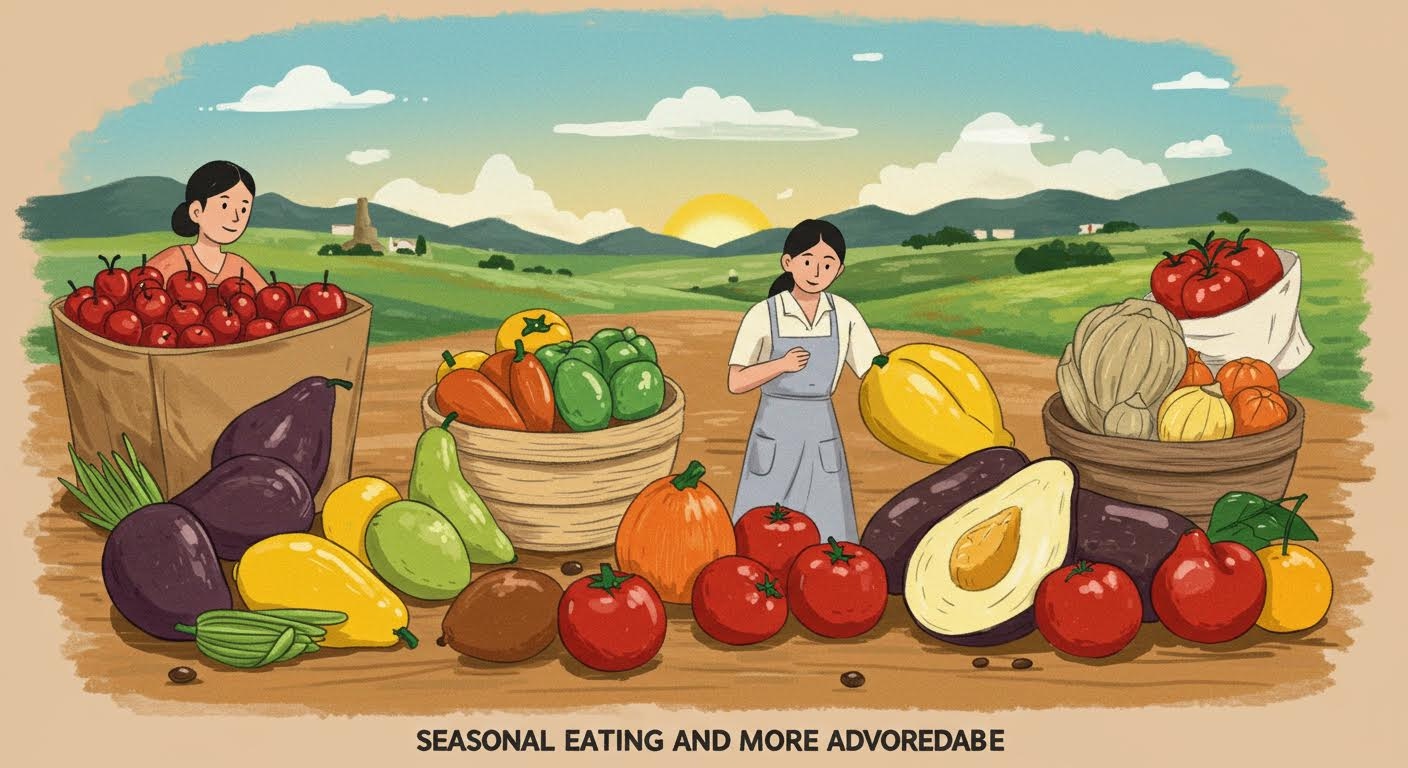
Ecuador's remarkable geography creates one of the world's most diverse seasonal eating opportunities. With four distinct regions producing different crops throughout the year, you can enjoy fresh, nutritious, and affordable meals by simply following nature's calendar.
Ecuador's Four Seasons of Flavor: Understanding Regional Growing Cycles
Unlike countries with traditional four-season cycles, Ecuador's unique geography creates year-round growing seasons across its four regions. The Costa (coast), Sierra (highlands), Oriente (Amazon), and Galápagos each maintain distinct microclimates that produce different ingredients at optimal times throughout the year.
Indigenous communities have perfected these growing cycles over centuries, developing agricultural practices that maximize both nutritional value and economic efficiency. Traditional farming methods work with natural rainfall patterns, soil conditions, and temperature variations to produce the healthiest crops at the lowest cost.
When you eat with Ecuador's natural rhythms, you access peak-nutrition produce when it's most abundant and affordable. This approach reduces grocery expenses while ensuring maximum vitamin and mineral content, as locally grown seasonal produce reaches markets within hours of harvesting.
Coastal Abundance: Tropical Fruits and Fresh Seafood by Season
Ecuador's Pacific coast provides tropical fruits and fresh seafood throughout the year, with distinct peak seasons offering the best quality and prices. Mangoes reach their sweetest point between December and April, while papayas and pineapples peak during the dry season from June to November.
The coastal fishing industry follows natural migration and breeding patterns, making certain seafood varieties more abundant and affordable during specific months. Fresh corvina and dorado are most plentiful during cooler months from May to October, while shrimp harvests peak during the warm season from December to April.
Traditional coastal dishes like encebollado, ceviche, and pescado encocado celebrate these seasonal ingredients, combining peak-season seafood with locally grown plantains, yuca, and coconut. These recipes maximize both flavor and nutrition while keeping costs minimal.
Highland Harvests: Grains, Tubers, and Mountain Vegetables
The Sierra region produces Ecuador's most nutritious grains and tubers, with harvesting seasons that have remained consistent for thousands of years. Quinoa harvests occur primarily between April and June, when this protein-rich grain reaches peak nutritional content and market prices drop significantly.
Ecuador grows over 400 varieties of native potatoes, each with specific growing seasons extending from March through August. Purple potatoes, yellow papas chinas, and traditional white varieties each peak at different times, allowing for continuous availability of these nutritious tubers.
Cool-weather vegetables like broccoli, cauliflower, and leafy greens thrive in the Sierra's consistent temperatures, with optimal growing periods during the dry season. The region's high altitude contributes to increased antioxidant levels in many vegetables, making seasonal highland produce particularly nutritious.
Amazon Treasures: Exotic Fruits, Herbs, and River Fish
The Oriente region provides Ecuador's most unique seasonal ingredients, including exotic fruits and medicinal herbs increasingly recognized for their health benefits. Cacao pods reach peak ripeness between October and February, while açaí berries are most abundant during the rainy season from March to July.
Guayusa leaves, traditionally harvested for their energizing tea, are collected during specific lunar cycles that indigenous communities believe maximize their potency. This traditional timing corresponds with peak alkaloid content, validating ancient harvesting wisdom through modern nutritional analysis.
River fish varieties follow natural breeding and migration cycles, with catfish and tilapia most abundant during low-water months from August to November. Sustainable fishing practices align with these natural cycles, ensuring both environmental protection and optimal protein availability.
Market Smart: Finding Seasonal Deals and Peak Nutrition
Ecuador's traditional markets provide the clearest indicators of seasonal availability and pricing. Vendors typically display the most abundant produce prominently, with peak-season items offered at significantly lower prices than off-season alternatives.
Peak nutrition timing often coincides with peak season availability, as fruits and vegetables harvested at optimal ripeness contain higher concentrations of vitamins, minerals, and antioxidants. Government agricultural programs support small farmers in timing harvests for maximum nutritional value.
Ecuador's traditional seasonal eating patterns are recognized as models for sustainable nutrition, with programs that connect urban consumers with rural seasonal production cycles. These initiatives help maintain affordable access to peak-nutrition ingredients throughout the year.
Putting It Into Practice: Seasonal Menu Planning in Ecuador
Creating weekly meal plans around seasonal availability means understanding each region's production calendar and building menus that celebrate peak-season ingredients. Start by identifying which fruits, vegetables, and proteins are currently in season, then build meals around these ingredients.
Traditional Ecuadorian recipes naturally incorporate seasonal elements, with dishes like locro de papa featuring highland potatoes during peak season, or verde soup utilizing abundant plantains and cilantro. These recipes were developed to make the most of ingredients when they're freshest and most affordable.
Budget-friendly strategies include buying peak-season produce in larger quantities for preservation, learning traditional preparation methods that maximize nutritional value, and building relationships with local vendors who can advise on seasonal timing and quality.
Successful seasonal eating in Ecuador combines traditional knowledge with practical planning, resulting in meals that are more nutritious, affordable, and environmentally sustainable than year-round imported alternatives.