Seafood Markets in Ecuador: Where Locals Really Shop
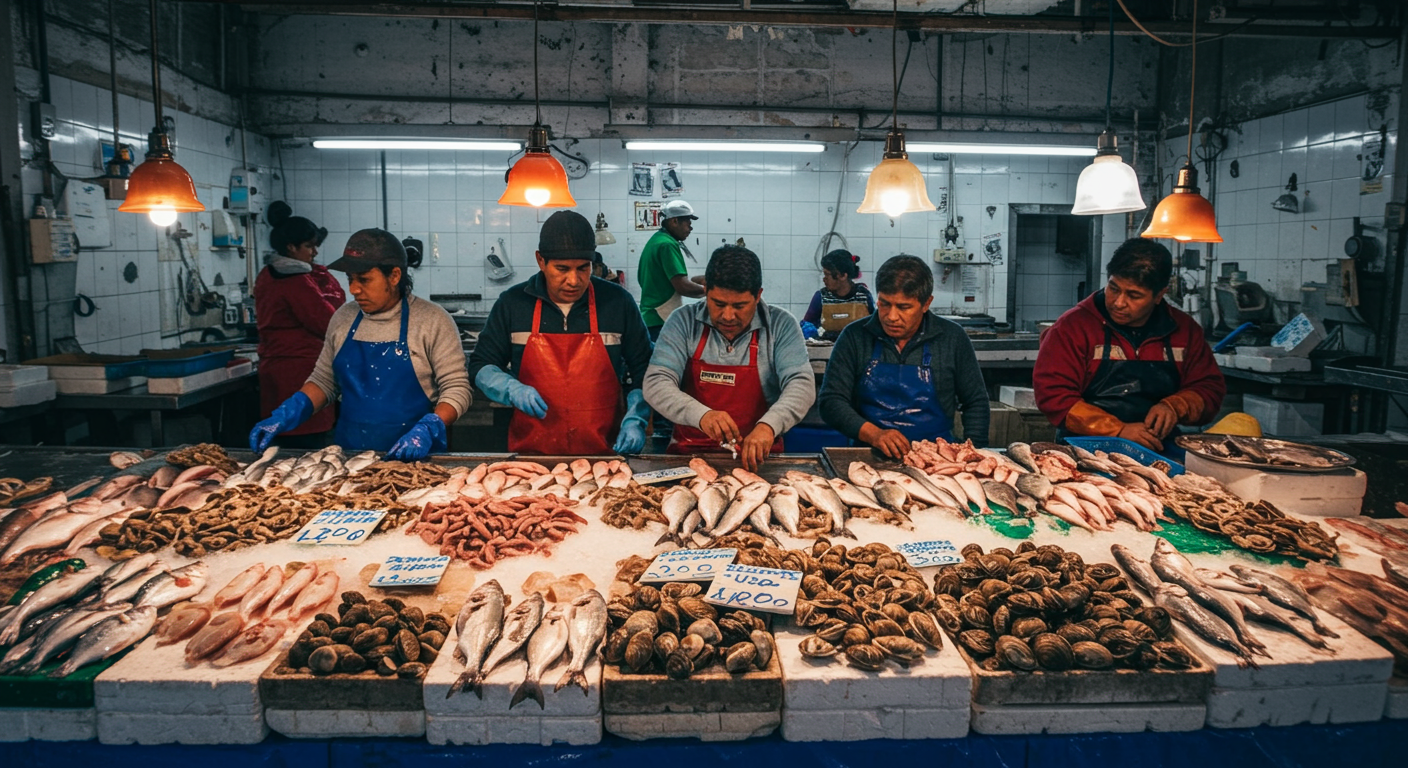
Skip the tourist-oriented seafood vendors along Ecuador's popular beaches. Locals know the real secret: traditional municipal markets where fishing boats unload their daily catch at authentic prices. From Pacific red snapper to prized corvina, these bustling markets offer the freshest seafood without the tourist markup.
Shopping where locals do gives you a front-row seat to Ecuador's rich maritime culture. These markets pulse with rhythms set by fishing schedules, seasonal migrations, and generations-old community traditions.
Where to Find the Best Local Markets
Guayaquil: Ecuador's Seafood Capital
Start your seafood adventure at Mercado Central, Ecuador's largest seafood hub. Vendors arrive before sunrise to snag the best picks from overnight fishing trips. This sprawling downtown complex houses dozens of stalls selling everything from massive whole tuna to delicate shellfish.
For a more intimate experience, try Mercado del Río nearby. Vendors here often specialize—one might focus exclusively on corvina while another becomes your go-to for the best shrimp. They'll share cooking tips and help you pick the perfect fish for your dinner plans.
Manta: Straight from the Boats
You can't get much fresher than Manta's Mercado de Mariscos. Located steps from where fishing boats dock, you'll sometimes see vendors carrying their purchases directly from boat to stall. The catch changes throughout the day as different boats return from various fishing zones.
Don't miss the waterfront vendors surrounding the main market. They're your best bet for specialty items like sea urchins and various crab species that need to sell fast.
Esmeraldas and the Northern Coast
Esmeraldas features several smaller municipal markets serving local fishing cooperatives. Here you'll find regional treasures like concha prieta (black clams) and mangrove crabs rarely seen in southern markets.
In smaller coastal towns like Atacames and Súa, weekly markets coincide with major fishing returns. It's your chance to buy directly from fishing families.
Shopping Like a Local: Timing Is Everything
Want the best selection? Show up between 5:00 and 7:00 AM when overnight fishing boats return and vendors stock their freshest inventory. Local shoppers know that prime specimens disappear fast.
Learn to spot quality the way locals do: look for clear, bright eyes in whole fish, firm flesh that bounces back when pressed, bright red or pink gills, and minimal fishy smell. Vendors actually appreciate customers who inspect their purchases carefully—it shows you're a serious buyer.
The secret weapon? Build relationships with your favorite vendors. Regular customers get first dibs on premium catches, free cleaning services, and insider tips about what's coming in season. Start with consistent purchases and friendly conversation.
Timing your visits around seasons pays off too. Corvina tastes best during cooler months, while tropical species like dorado shine during warmer periods. Locals plan their meals around these natural rhythms.
Decoding Prices and Quality
Prices shift daily based on catch size, weather conditions affecting fishing trips, and transportation costs from different fishing zones. Don't be surprised by significant price swings—they reflect the real market, not tourist pricing.
Larger municipal markets typically offer better refrigeration and sanitation, while smaller markets rely on quick turnover to maintain freshness. Both can offer excellent quality when you know what to look for.
Fair pricing shows up as consistency between vendors, willingness to negotiate on bulk purchases, and clear quality grades at different price points. Many vendors offer discounts on fish destined for soups or stews where perfect appearance matters less.
Regional Flavors and Market Etiquette
Each coastal region showcases its local waters. Northern markets feature tropical species and mangrove shellfish, while southern markets display cold-current catches and deep-water varieties.
Market manners matter: be respectful with vendors, show serious buying intent when examining products closely, and stay patient during busy morning rushes when vendors prioritize regular customers. Most vendors love sharing traditional cooking methods for different seafood types.
These markets serve as community hearts where food culture passes between generations. Vendors often know entire families and tailor recommendations based on household tastes and cooking skills.
Your First Visit: A Practical Guide
Plan to arrive between 6:00 and 8:00 AM for the best experience. Most major markets operate Tuesday through Sunday, typically closing Mondays.
Learn these key phrases: "¿Qué tan fresco está?" (How fresh is this?), "¿Cuánto por kilo?" (How much per kilogram?), and "¿Me lo puede limpiar?" (Can you clean it for me?). Vendors usually help with basic preparation for serious buyers.
Bring insulated bags and plan for immediate refrigeration. Many markets have limited parking, so consider taxis or rideshares if you're unfamiliar with local transportation.
Respect local customs by letting regular customers go first during busy times, keeping bargaining reasonable on small purchases, and buying only what you'll actually use. This isn't a tourist attraction—it's where people shop for their families.