Seafood Markets in Ecuador: Where Locals Really Shop
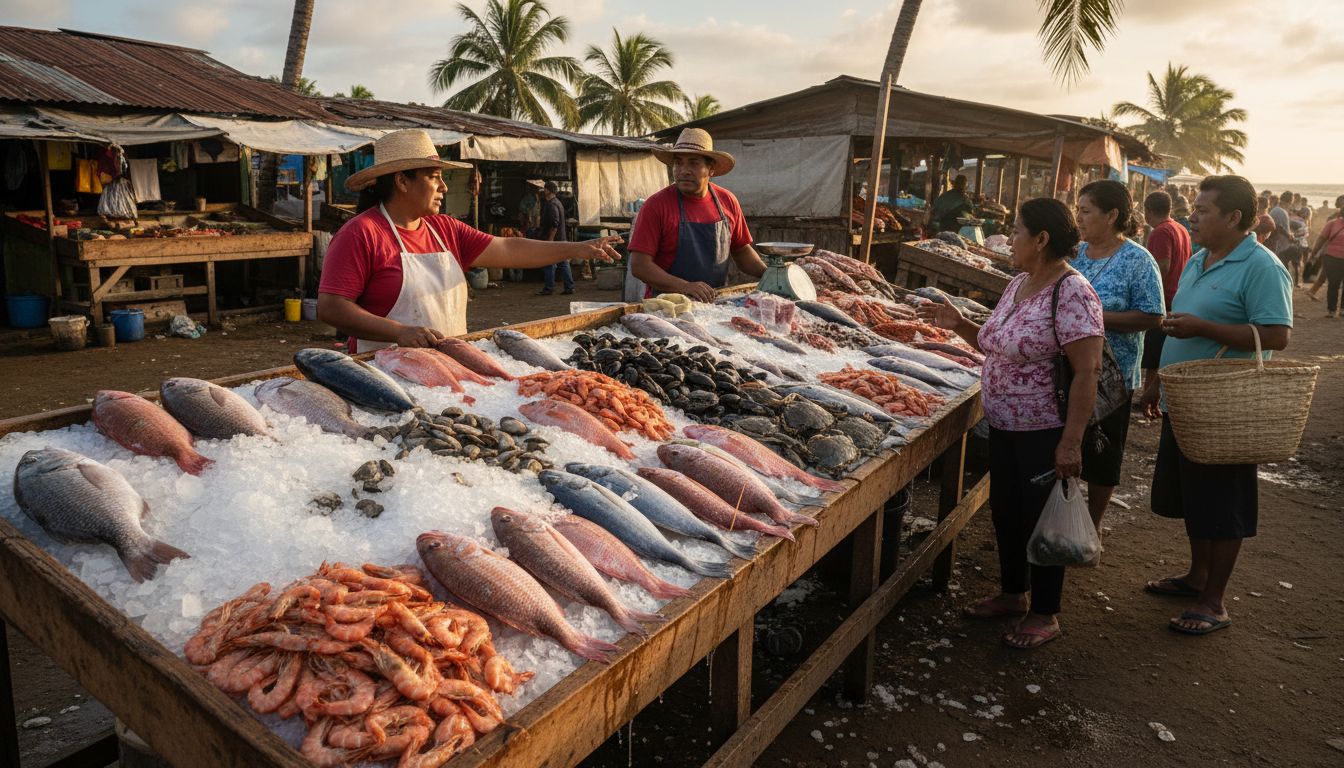
Ecuador's coastline stretches for hundreds of kilometers along the Pacific, and seafood is woven into the daily rhythm of life in its port cities and coastal towns. Many visitors first encounter Ecuadorian seafood through restaurants built for tourists, but a different, arguably more authentic experience exists in the markets where locals actually do their shopping. These spaces prioritize freshness, speed, and long-standing relationships between buyers and sellers over polished presentation.
The distinction matters. Tourist-oriented seafood spots are often designed around convenience, multilingual menus, and predictable dining hours. Local markets, by contrast, operate on the rhythms of the fishing fleets themselves. As the Ecuador Ministry of Tourism notes, the real test of a market's authenticity has less to do with its appearance and more to do with how early it opens and how quickly the catch moves from boat to buyer.
Guayaquil: A Hub for Everyday Seafood Shopping
As Ecuador's largest coastal city, Guayaquil plays an outsized role in the country's seafood trade. Daily life here includes a steady flow of commerce tied to the sea, and local shopping patterns tend to follow early-morning hours when the catch is freshest. Direct-from-boat purchasing is common in many Ecuadorian port cities, including Guayaquil, where proximity to the water shapes how residents plan their shopping trips.
Rather than pointing to specific stalls or vendors, it helps to understand the general behavior: shoppers who want the best selection tend to arrive early, before the midday heat and before restaurant buyers clear out the most desirable cuts. This pattern is common across many Latin American coastal cities and reflects practical necessity as much as tradition.
Manta: A Fishing Port Shaping Local Buying Habits
Manta is widely recognized as one of Ecuador's most significant fishing ports, and its identity is deeply tied to the ocean economy. The sheer scale of fishing activity here means seafood often reaches local buyers with minimal delay, a factor that shapes both pricing and quality expectations among residents.
Community-based shopping behavior in Manta tends to reflect this proximity to the fleets. Rather than naming specific vendors or markets, it's worth noting the broader pattern: buyers who understand the timing of incoming boats are often able to secure the freshest selection. This kind of local knowledge develops over years and is difficult to replicate as a short-term visitor, though observing market rhythms can offer useful clues.
Esmeraldas and the Northern Coast: Lesser-Known Local Favorites
Esmeraldas and Ecuador's northern coastal region carry their own distinct culinary identity, shaped by Afro-Ecuadorian culinary traditions and a different mix of regional ingredients compared to the central coast. Seafood remains central here, but the market culture tends to be smaller in scale and less oriented toward outside visitors than in Guayaquil or Manta.
Smaller regional markets often differ meaningfully from their urban counterparts, both in size and in the kind of relationships that develop between vendors and regular customers. Rather than attempting to identify specific unnamed markets, it's more accurate to frame Esmeraldas as an example of how local seafood culture can look different depending on the region, population density, and proximity to major fishing operations.
What Sets Local Shopping Apart From Tourist Experiences
The contrast between tourist seafood dining and local market shopping often comes down to a few recurring factors: timing, negotiation, and relationships. Tourist-facing restaurants typically operate on fixed hours and fixed prices, while local markets reward those who understand when the freshest catch arrives and how pricing can shift throughout the day.
This pattern isn't unique to Ecuador. Across much of Latin America, local market culture tends to reward familiarity and repeat visits, with vendors often extending better prices or holding back quality items for regular customers. Lonely Planet's Ecuador coverage echoes this idea, noting that visitors who take time to observe these dynamics, rather than rushing through a market, tend to come away with a more genuine sense of local food culture.
Tips for Travelers Who Want a More Local Seafood Market Experience
Travelers hoping to experience Ecuador's seafood culture the way locals do should consider a few general strategies. Arriving early is consistently cited as one of the most effective ways to see markets at their most active and authentic. Observing how local shoppers interact with vendors, rather than approaching a market purely as a photo opportunity, can also offer a more grounded sense of how these spaces actually function.
It's worth emphasizing that specifics such as market hours, exact locations, and individual vendors can vary significantly and change over time. As Ecuador Traveling points out in its guide to seafood markets, travelers are encouraged to verify current details locally, ideally through residents or local tourism resources, rather than relying solely on outside guides. Seeking out everyday neighborhood markets, rather than stalls positioned near major tourist attractions, remains one of the most reliable ways to get closer to how Ecuadorians actually shop for seafood.