Seafood Markets in Ecuador: Where Locals Really Shop
Seafood Markets in Ecuador: Where Locals Really Shop
Long before seafood restaurants open their doors for lunch, Ecuador's markets are already in motion. For many Ecuadorians, these markets aren't a backup to dining out but the preferred way to eat well: fresher fish, better prices, and the satisfaction of choosing the catch yourself. Understanding this rhythm reveals a food culture built around markets first, restaurants second.
Why Locals Skip Restaurants for Seafood Markets
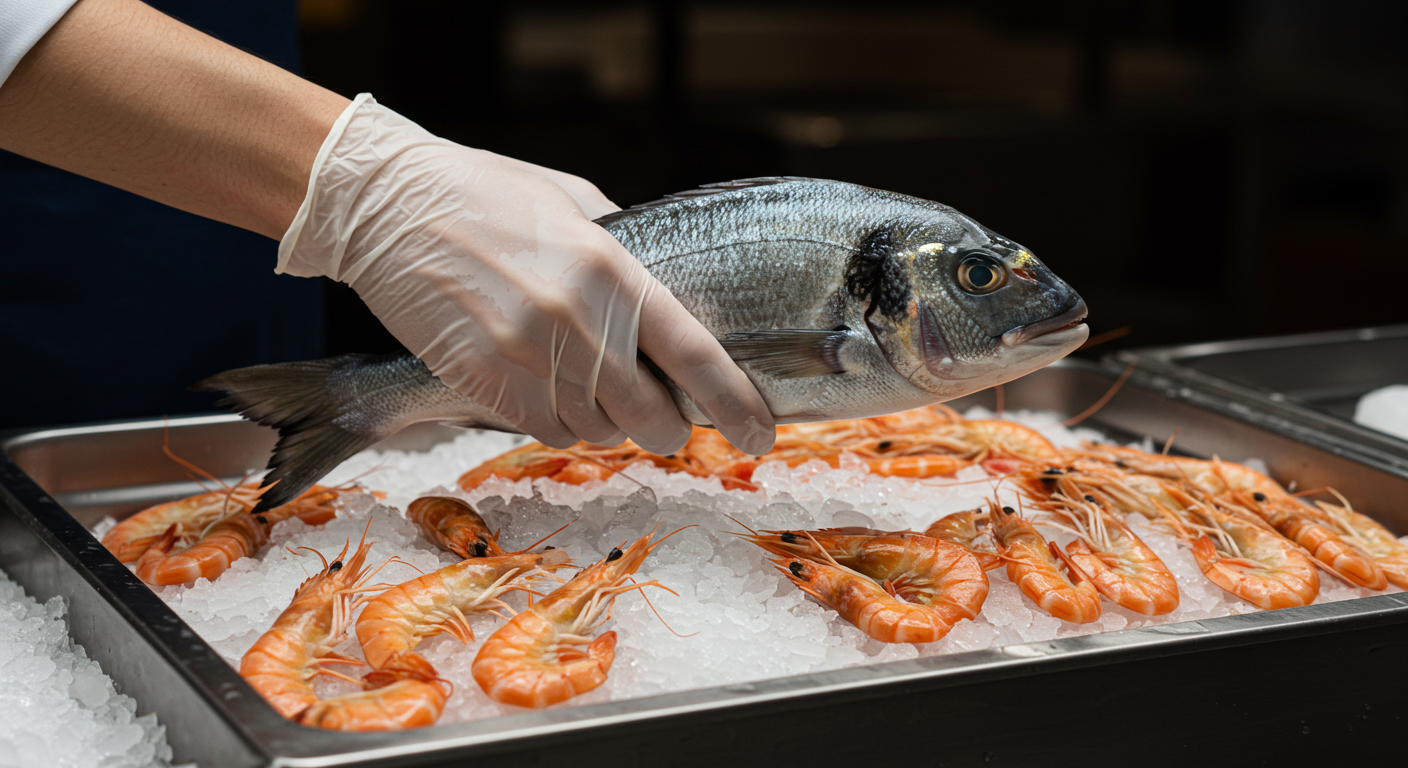
Freshness and value are the two biggest reasons Ecuadorians favor markets over restaurants for seafood. Selecting your own fish, negotiating a fair price, and knowing exactly where the catch came from carries real weight in daily shopping decisions. There's also a ritual quality to it: inspecting eyes and gills, asking a vendor what came in that morning, and building trust over repeat visits.
Timing is everything. Boats deliver directly to stalls in the early hours, and the best catch disappears quickly. Arriving late often means settling for a smaller selection or paying more for what remains. This urgency is part of why market shopping feels different from the more leisurely pace of browsing a restaurant menu.
Vendor relationships also shape the experience in ways that distinguish local shopping from tourist browsing. Regular customers often get informal discounts, first pick of certain items, or recommendations based on what's freshest that day. Price negotiation is expected and normal, not a sign of distrust.
Coastal Markets: Straight From the Boat
Manta's market culture is closely tied to its role as home to one of Ecuador's major fishing fleets. Boats land early, and the surrounding market stalls reflect that scale, with a steady flow of tuna, dorado, shrimp, and other coastal staples moving from dock to table within hours.
Playas offers a smaller, more community-driven alternative. Here, the connection between boat and stall is even more direct, with vendors often related to or working closely with the fishermen themselves. The atmosphere is less about volume and more about neighborhood familiarity.
Esmeraldas, on the northern coast, brings its own character to the market scene. The catch here reflects different waters, and the culinary traditions are shaped by the region's strong Afro-Ecuadorian influence, visible in the spices, sauces, and preparations offered at nearby food stalls.
Across all three locations, arriving before mid-morning is critical. By late morning, the freshest options are often gone, and the market atmosphere shifts from brisk commerce to a quieter, thinner selection.
Guayaquil's Mercado de Caraguay: The Urban Seafood Hub
Mercado de Caraguay operates on a different scale than the smaller coastal markets. As a citywide destination rather than a neighborhood option, it draws shoppers from across Guayaquil looking for variety and volume that smaller markets can't match.
That scale creates real competition among vendors, which tends to keep pricing more dynamic. Buyers purchasing in bulk, whether for households or informal resale, often negotiate more aggressively, and the sheer number of stalls means shoppers can compare offerings before settling on a purchase.
What distinguishes Caraguay from coastal markets is less about freshness ceilings and more about breadth: a wider range of species, larger crowds, and a more layered market experience overall, closer to a full commercial hub than a single dockside stall row.
Highland Access: Quito's Mercado Central and Trucked-In Catch
For highland residents, geography changes the equation. Quito's Mercado Central relies on daily trucking from the coast, meaning the seafood arrives a step removed from the boat-to-stall immediacy found in Manta or Playas.
This logistics gap affects both freshness and price. Highland shoppers should expect to pay somewhat more for seafood than their coastal counterparts, reflecting transport costs and the additional handling involved.
Despite the distance from the source, locals continue to rely on these markets rather than seeking alternatives. The trucked-in system, while imperfect compared to coastal freshness, still outperforms most retail alternatives in terms of quality and price for highland households accustomed to market shopping.
The Comedor Tradition: Market-Fresh, Cooked to Order
One of the most distinctive aspects of Ecuadorian seafood markets is the adjoining comedores, small cocinas where shoppers can have their freshly purchased fish prepared immediately. This turns a grocery errand into a meal, often within the same visit.
Locals favor this practice over formal restaurant dining for several reasons: it's typically less expensive, it guarantees the fish is as fresh as possible, and it keeps the entire process, from selection to plate, within the shopper's control.
Communication with vendors and cooks is usually simple and direct: naming a preparation style, agreeing on a price, and waiting a short time while the dish is prepared. The experience is informal, efficient, and deeply tied to the rhythms of the market itself.
When Tourism Attention Changes the Market Dynamic
Some markets have gained visibility through promotion by municipal or national tourism bodies, including Ecuador's Ministry of Tourism, which has introduced a layer of visitor traffic not traditionally part of the local shopping pattern.
Where this attention grows, pricing and crowding can shift accordingly. Vendors accustomed to local negotiation norms may adjust prices for visitors, and popular stalls can become more congested during peak tourist hours, altering the pace that regular shoppers rely on.
Visitors hoping for an authentic experience are generally better served by arriving early, alongside local shoppers, and observing standard market etiquette: straightforward questions, respectful negotiation, and patience during busy periods. This approach tends to preserve the market's original character while still allowing newcomers to participate in it.