Seafood Markets in Ecuador: Where Locals Really Shop
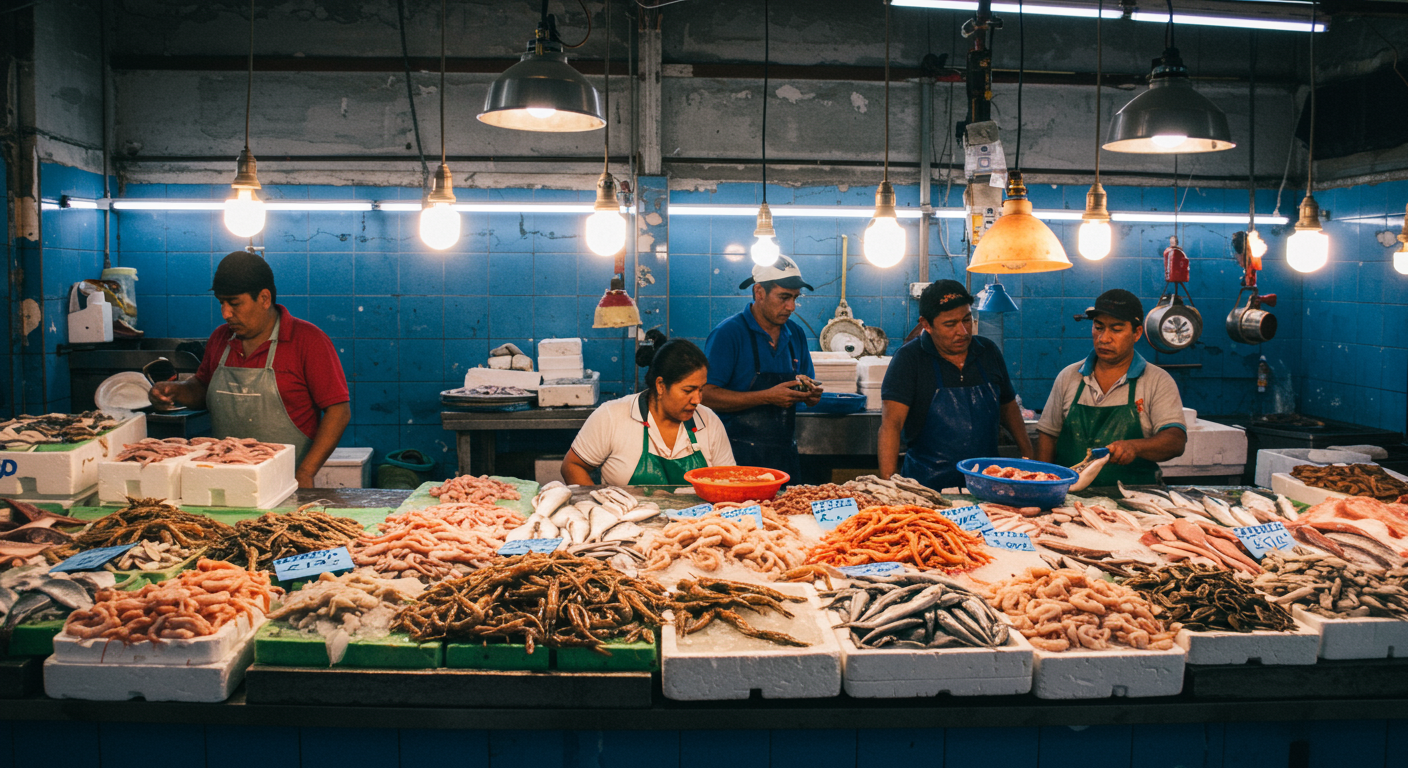
Ecuador's seafood markets pulse with the rhythm of daily life, where generations of families have gathered to select the ocean's freshest offerings. From the Pacific coast to the Andean highlands, these traditional markets remain the heart of local seafood culture, offering experiences far richer than any supermarket aisle.
Ecuador's Vibrant Seafood Market Culture
Ecuador's relationship with seafood runs deep through both coastal and inland communities. Along the Pacific coast, fishing boats arrive with dawn's first light, their catches flowing directly into bustling market stalls. Even in mountain cities like Quito and Cuenca, sophisticated cold-chain logistics ensure ocean-fresh seafood reaches highland markets within hours of being caught.
Locals overwhelmingly prefer traditional markets over modern supermarkets for seafood purchases. The reasons extend beyond freshness to encompass cultural traditions, personal relationships with vendors, and the ability to examine and select individual pieces. Market shopping represents a social experience where neighbors exchange recipes, vendors offer cooking advice, and the day's best catches become topics of community conversation.
For travelers, authentic market experiences offer windows into Ecuador's culinary soul. The sensory immersion of sights, sounds, and aromas creates memories that last far beyond any restaurant meal.
Premier Coastal Markets: Where the Ocean Meets the City
Guayaquil's Mercado Central stands as Ecuador's largest and most dynamic seafood hub. Located in the heart of the country's largest port city, this sprawling market receives direct shipments from fishing fleets throughout the day. Vendors arrange their displays with artistic precision, showcasing everything from whole snappers to carefully peeled shrimp. The market's energy peaks during morning hours when restaurant buyers and home cooks compete for the finest selections.
In Manta, the Tarqui Fish Market offers perhaps Ecuador's most authentic fishing port experience. Positioned directly adjacent to the working docks, visitors can watch fishing boats unload their catches mere meters from market stalls. The proximity means unparalleled freshness, with some fish sold within an hour of being pulled from Pacific waters. Local corvina, dorado, and seasonal tuna command premium prices due to their exceptional quality.
Esmeraldas markets showcase the unique seafood culture of Ecuador's northern coast. The region's African-influenced culinary traditions create demand for specific preparations and species less common elsewhere. Local markets feature extensive selections of shellfish, including varieties of crab and mollusk that reflect the area's mangrove ecosystems.
Salinas transforms into a seafood destination during weekends when local markets expand to accommodate both residents and visitors. The town's weekend market culture combines social gathering with serious seafood shopping, as families make weekly purchases while enjoying the coastal atmosphere.
Inland Seafood Markets: Fresh Catches in the Mountains
Quito's Mercado Central surprises many visitors with its extensive seafood selections despite the city's location over 9,000 feet above sea level. Refrigerated trucks arrive throughout the night, ensuring morning shoppers find ocean-fresh options alongside traditional highland products. The market's seafood section operates with remarkable efficiency, with vendors displaying detailed knowledge about each day's arrivals and their origins.
Cuenca's traditional markets reflect the refined tastes of Ecuador's cultural capital. Local preferences lean toward white fish varieties and carefully prepared shellfish that complement the region's sophisticated culinary traditions. The city's markets maintain strong connections with coastal suppliers, ensuring consistent quality that meets discerning local standards.
The logistics of moving seafood from coast to mountains represent remarkable achievements in food distribution. Specialized transportation networks operate nightly, maintaining cold chains that preserve quality across hundreds of miles and dramatic altitude changes. This system allows mountain communities to enjoy seafood traditions that date back centuries.
Highland markets also feature freshwater specialties, particularly trout from Andean lakes and streams. These local catches complement ocean seafood, creating diverse selections that reflect Ecuador's varied geography and water resources.
When to Visit: Timing Your Market Trip
Ecuador's fishing seasons create natural rhythms in market abundance and variety. The country's equatorial location means year-round fishing, but certain species peak during specific months. December through April brings the best tuna and dorado catches, while shrimp seasons vary by region and species.
Daily market rhythms follow predictable patterns across Ecuador. The freshest selections appear between 6:00 and 9:00 AM when overnight shipments arrive and early-rising locals make their selections. By midday, the best pieces have sold, though afternoon shoppers often find vendors willing to negotiate prices on remaining inventory.
Weekend markets typically offer expanded selections and extended hours, particularly in coastal cities where fishing activity increases to meet higher demand. Saturday mornings provide the perfect combination of selection, freshness, and vendor availability.
Religious holidays create specific market patterns worth understanding. Holy Week brings massive seafood demand as Catholic traditions encourage fish consumption. Christmas and New Year periods see increased purchasing of premium species for family celebrations.
Market Etiquette: Shopping Like a Local
Successful market navigation requires understanding local customs and showing proper respect for established traditions. Bargaining exists but follows specific protocols. Vendors expect customers to examine products carefully and ask questions about origin, freshness, and preparation suggestions. However, aggressive price negotiation can damage relationships and mark visitors as disrespectful.
Quality assessment skills distinguish experienced shoppers from novices. Locals look for clear, bright eyes in whole fish, firm flesh that springs back when pressed, and fresh ocean scents without any ammonia hints. Shrimp should feel firm and show bright, translucent coloring. Vendors appreciate customers who demonstrate knowledge and often reward them with better prices or additional services.
Essential Spanish phrases smooth market interactions significantly. Basic greetings, questions about freshness ("¿Está fresco?"), price inquiries ("¿Cuánto cuesta?"), and polite negotiations ("¿Cuál es su mejor precio?") demonstrate respect and cultural awareness.
Vendor relationships matter enormously in Ecuadorian market culture. Regular customers receive preferential treatment, advance notice of special arrivals, and cooking advice. Even short-term visitors benefit from showing interest in vendors' expertise and expressing appreciation for their products.
What to Buy: Ecuador's Seafood Favorites
Corvina reigns as Ecuador's most beloved fish, prized for its delicate flavor and versatility in preparation. This white fish adapts perfectly to traditional recipes like encebollado and ceviche, making it a staple purchase across all market segments. Quality corvina commands premium prices, and experienced shoppers often build relationships with specific vendors known for consistent excellence.
Dorado attracts buyers seeking firmer textures and richer flavors suitable for grilling and more robust preparations. Coastal markets feature larger selections, while highland markets focus on carefully selected specimens that survive transportation well.
Shrimp purchases vary dramatically by region and intended use. Coastal buyers often select live or just-killed specimens for immediate preparation, while inland shoppers prefer processed options that maintain quality during transport. Different size grades serve specific culinary purposes, from tiny cocktail shrimp to large specimens for stuffing and grilling.
Regional preferences reflect local culinary traditions and cooking methods. Coastal areas favor whole fish purchases that allow home cooks to control processing, while mountain cities show preferences for cleaned and filleted options that reduce preparation time.
Seasonal specialties create excitement and drive market visits. Limited-time availability of certain species creates local celebrations and family traditions centered around specific dishes and preparation methods.
Practical Tips for Visitors
Most major seafood markets occupy central urban locations accessible by public transportation, taxi, or walking from hotel districts. However, early morning arrival often necessitates special transportation arrangements since public transit may not operate during optimal shopping hours.
Safety focuses primarily on food handling rather than personal security. Markets maintain generally safe environments, but visitors should exercise standard urban precautions. Hygiene practices become crucial when purchasing seafood, particularly regarding proper storage and transportation back to accommodations.
Cash remains king in most markets, and small denominations facilitate easier transactions and bargaining. Some larger markets accept cards, but assume cash-only operations. ATMs near major markets often experience heavy use during peak shopping periods.
Planning your seafood transport requires advance thinking, particularly for visitors staying in hotels without kitchen facilities. Many vendors offer cleaning and preparation services for additional fees. Ice and insulated bags may be available for purchase, though bringing your own containers and cooling supplies ensures better preservation.
Successful market visits combine cultural respect, practical preparation, and openness to new experiences. The rewards extend far beyond the seafood purchased to encompass authentic cultural immersion and lasting memories of Ecuador's vibrant market traditions.