Seafood Markets in Ecuador: Where Locals Really Shop
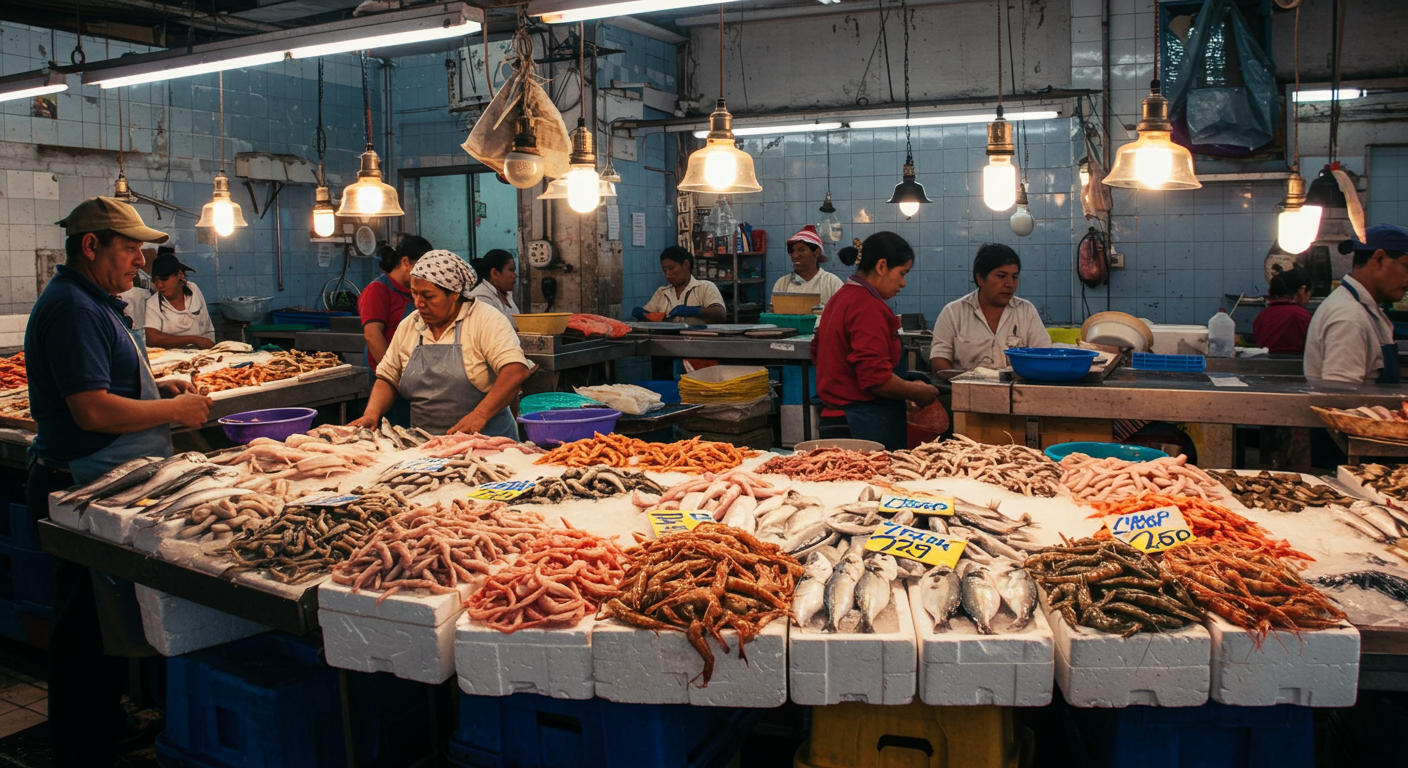
Ecuador's Pacific coastline stretches over 2,000 kilometers, creating a maritime culture where seafood markets serve as the beating heart of coastal communities. These bustling trading centers offer far more than fresh fish—they're windows into centuries of fishing traditions and authentic local life that most visitors never experience.
Guayaquil's Major Seafood Markets
The port city of Guayaquil hosts Ecuador's most significant seafood trading hub at Mercado Sur, located in the southern district near the Guayas River. This sprawling market complex comes alive before dawn, with vendors arranging displays of corvina, dorado, and red snapper from the previous day's catch.
Smart locals arrive early—between 5:00 and 7:00 AM—when the selection is at its absolute best. The market follows a logical layout: fish vendors occupy the central halls while shellfish and crab sellers line the outer sections. Many Ecuadorian families build relationships with specific vendors, creating informal "reservation systems" for the day's premium catches.
Don't be shy about bargaining—it's expected, though prices are generally fair. Vendors respect customers who know their stuff about seasonal availability and fishing conditions, often rewarding knowledgeable buyers with better selections or small discounts.
Manta: Gateway to Ecuador's Fishing Industry
As Ecuador's primary fishing port, Manta offers unbeatable access to seafood straight off commercial boats. The city's central market receives daily deliveries from the harbor, where tuna, marlin, and smaller fish form the backbone of daily commerce.
Timing matters here. During peak tuna season (May through October), massive yellowfin and bigeye specimens dominate the stalls. Cooler months bring more coastal species like sea bass and grouper from nearshore waters.
Here's a local tip: many vendors offer processing services, cleaning and filleting your purchases on the spot. This proves invaluable whether you're buying a large fish or simply unfamiliar with seafood prep.
Esmeraldas and Northern Coast Markets
The northern coast around Esmeraldas showcases Ecuador's rich cultural diversity through its seafood markets. Afro-Ecuadorian communities have maintained distinct culinary traditions that influence both what fish they seek and how they prepare it.
Smaller community markets in towns like Atacames and Muisne operate on intimate scales where vendors know customers by name. These spots specialize in regional catches: Pacific pompano, jack crevalle, and various snappers that thrive in the north's warmer waters.
Fair warning: transportation can be tricky in northern coastal areas. While major towns have reliable roads, some smaller fishing communities require boat access or four-wheel drive, especially during rainy season.
Seasonal Patterns and Best Shopping Times
Ecuador's equatorial position creates relatively stable fishing year-round, but distinct seasons still affect what you'll find. The dry season (June through November) typically produces the most abundant catches, as calmer seas let boats venture further offshore.
Daily rhythms are predictable across coastal Ecuador. Peak freshness happens in morning hours, right after overnight fishing boats return. By mid-afternoon, selection dwindles and vendors often slash prices on what's left.
Keep weather in mind—El Niño years can dramatically shake up seafood availability. Strong currents push fish populations to different areas, affecting both variety and prices in local markets.
Your Practical Market Guide
Come with cash—US dollars, Ecuador's official currency since 2000. Small bills work best since vendors often can't break large denominations. Some modern markets accept cards, but cash is always king.
Spotting fresh seafood is an art: look for clear, bright eyes in whole fish, firm flesh that springs back when pressed, and clean, ocean-like smells. Avoid cloudy eyes, soft spots, or strong ammonia odors. Good vendors welcome inspection and often encourage you to examine before buying.
A few Spanish phrases go a long way: "fresco" (fresh), "cuánto cuesta" (how much), and "limpio" (cleaned). Many coastal vendors speak some English, especially in tourist areas.
Planning to transport your haul? Bring an insulated cooler with ice—essential for maintaining quality. Most markets sell ice by the bag, and vendors can suggest proper storage based on your travel time.