Seafood Markets in Ecuador: Where Locals Really Shop
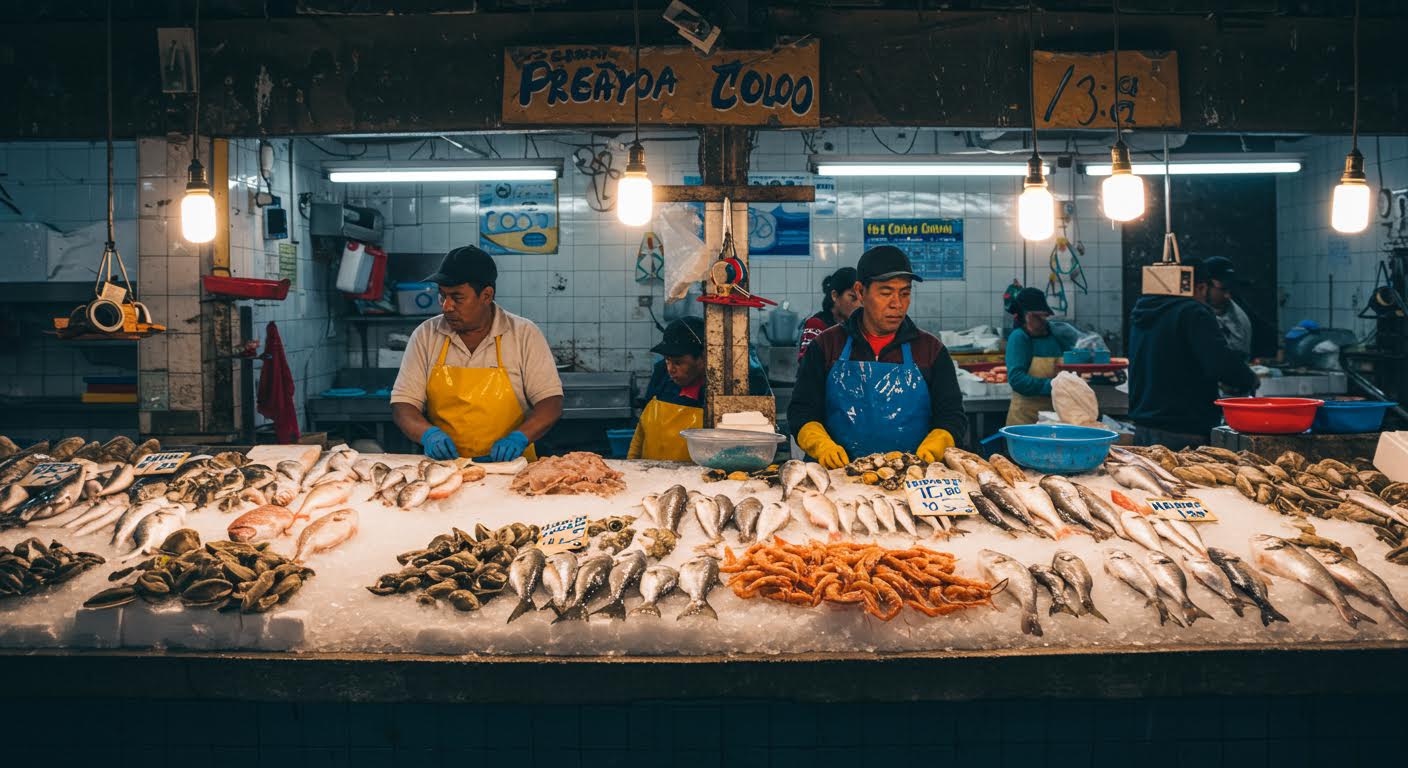
While tourists often gravitate toward polished markets near restaurants and hotels, Ecuador's locals know where to find the real treasures. Their network of authentic seafood markets pulses with the rhythm of the fishing industry, where the day's freshest catch arrives directly from boats and peak activity happens before most visitors even wake up.
Coastal Powerhouses: Major Port City Markets
Ecuador's coastal cities host the country's most dynamic seafood markets, where fishing fleets dock right next to bustling vendor stalls. In Guayaquil, the Mercado Central transforms into an electric scene before dawn. Fish auctions have locals bidding on whole catches still glistening with Pacific seawater, while vendors examine red snapper, corvina, and massive tuna across concrete floors echoing with rapid-fire Spanish.
For the most authentic experience, head to Manta's waterfront markets. Here, fishing boats tie up just meters from vendors displaying their catch on ice-filled tables. This proximity means you'll find seafood that moved from net to market stall within hours. Smart local families arrive around 5 AM to snag the best pieces before restaurant buyers make their rounds.
Up in Esmeraldas, markets specialize in regional species that showcase Ecuador's unique northern marine ecosystem. You'll discover varieties of fish and shellfish that rarely appear in tourist spots, along with traditional preparation secrets passed down through generations of coastal families.
Highland Surprises: Fresh Seafood Away from the Coast
Don't assume Ecuador's mountain cities can't compete on seafood freshness. Quito's markets receive daily shipments from coastal suppliers who run refrigerated trucks through the night. The cool mountain air actually helps preserve that just-caught quality during busy morning trading hours.
Cuenca has built its own sophisticated network of fish vendors working directly with coastal suppliers. Many specialize in specific species or preparation styles, creating loyal followings among customers who depend on their expertise and reliable quality.
This inland seafood network represents impressive coordination between suppliers, drivers, and vendors. Fish caught Tuesday evening along the coast regularly appears in Quito or Cuenca markets by Wednesday morning, thanks to careful temperature control and lightning-fast distribution.
Species and Specialties Locals Seek
Local markets showcase seasonal treasures you'll never see on restaurant menus. These reflect both deep-rooted traditions and the natural rhythms of Ecuador's marine world. During certain months, vendors offer specific shellfish, seasonal fish varieties, and even seaweed that locals transform into time-honored dishes.
The vendors themselves become your best culinary advisors, recommending cooking methods based on that day's specific catch. They know which species make perfect ceviche, which ones shine on the grill, and exactly how to clean and prepare more unusual varieties.
Regional tastes vary dramatically across Ecuador. Coastal residents favor completely different preparations and species than their highland neighbors, and markets reflect these preferences in both selection and the cooking wisdom vendors share with regular customers.
Market Navigation: Timing, Etiquette, and Insider Knowledge
Success in Ecuador's authentic seafood markets comes down to timing. The absolute freshest selection appears between 5 AM and 8 AM, when overnight deliveries arrive and vendors arrange their best displays. By mid-morning, knowledgeable locals and restaurant buyers have claimed the prime pieces.
Building relationships with vendors pays huge dividends. They remember customers who appreciate quality and love sharing their knowledge. Most vendors take genuine pride in helping you select the perfect fish for your intended dish and enjoy talking about their products.
These markets favor cash transactions, and vendors appreciate customers who bring their own bags or containers. The relaxed atmosphere encourages questions about preparation methods, seasonal availability, and cooking tips.
Practical Visitor Guide
Some markets welcome visitors more easily than others. Quito and Cuenca markets generally accommodate foreign visitors better than certain coastal markets where business moves at breakneck speed and vendors focus on serving regular customers.
Learning basic Spanish seafood terms transforms your experience. Know common fish species names, how to ask about freshness, and price negotiation basics to participate fully in market culture.
Getting to early-morning markets requires planning since most operate when public transportation is limited. Taxis or private transportation provide the most reliable access during peak freshness hours.
Bring insulated bags or coolers for your purchases, especially if you're staying somewhere with kitchen facilities. Many vendors provide ice or can point you toward nearby shops selling suitable transport containers.