Seafood in Ecuador: How Fresh Is It Really?
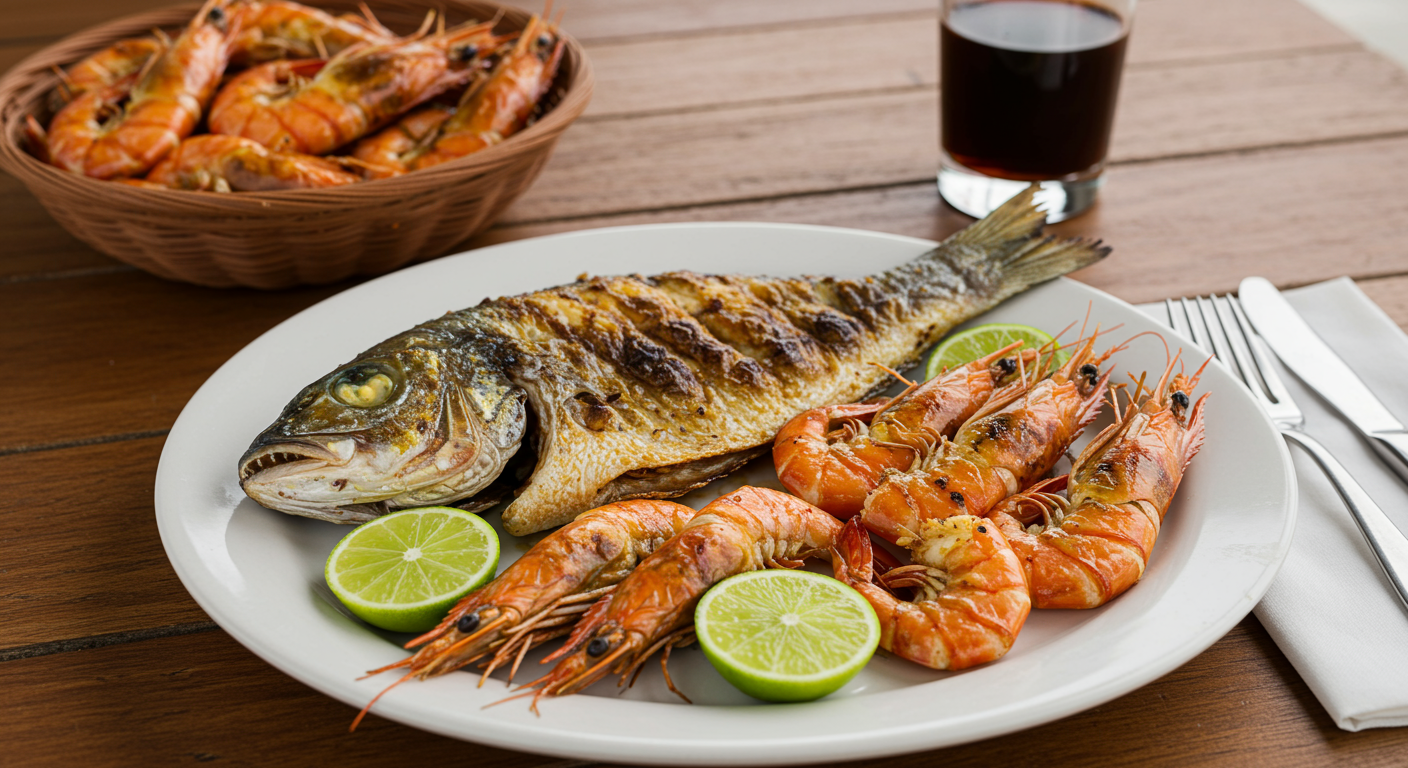
Ecuador has a strong seafood reputation for good reason. It is not just a country with a coastline; it is a major fishing and aquaculture producer, with shrimp and tuna playing especially important roles in the national seafood economy. That helps explain why seafood appears so widely on menus and why diners can often find excellent options. But the real answer is more practical than romantic: seafood in Ecuador can be very fresh, sometimes exceptionally fresh, though it is not automatically fresh everywhere.
Why Ecuador Has a Strong Reputation for Seafood
Ecuador’s seafood reputation rests on production and supply, not just geography. According to the Food and Agriculture Organization, the country is an important player in shrimp farming and tuna, and those supply chains shape what restaurants can buy and serve. In coastal cities especially, seafood is part of everyday dining rather than a niche specialty.
That matters because abundance usually improves access. Restaurants in seafood-heavy areas are more likely to have regular deliveries, familiar suppliers, and customers who expect seafood to be central to the menu. Still, availability and freshness are not the same thing. A country can produce a lot of seafood and still deliver mixed results from one restaurant to another.
What “Fresh” Actually Means on the Plate
For diners, freshness really comes down to time, temperature control, and handling. A fish landed the same day may be excellent, but only if it has been chilled and stored properly. On the other hand, seafood that was frozen quickly and handled well can still be high quality and may be better than poorly managed “fresh” product.
This is where many assumptions go wrong. Local sourcing does not guarantee top freshness, and imported or previously frozen seafood is not automatically inferior. The more useful question is how the product moved through the chain from harvest to kitchen.
Where You’re Most Likely to Find Fresher Seafood
Your best odds are usually in coastal cities, fishing hubs, and restaurants that specialize in seafood. Busy cevicherías and established seafood restaurants often move through inventory faster than generic eateries with broader menus. Fast turnover can be one of the clearest signs that product is arriving regularly rather than sitting too long in storage.
Proximity helps too. Restaurants near ports, markets, or landing points may have shorter supply chains. But even here, distance is only part of the story. If refrigeration and handling are weak, being close to the coast does not magically preserve quality.
Why Freshness Can Vary Even Within Ecuador
Seafood quality can vary for the same reasons it varies anywhere: transport time, refrigeration, storage conditions, and kitchen discipline. A restaurant inland may serve excellent seafood through a strong chilled distribution system, but it may not be offering fish that was landed that morning. That is not necessarily a problem if the cold chain has been maintained well.
The bigger point is to avoid blanket assumptions. Eating seafood in Ecuador does improve your chances of finding very good product, especially compared with places that depend more heavily on long-distance imports. But the final result still depends on what happened after the catch or harvest.
The Species That Best Support Ecuador’s Fresh-Seafood Claim
Shrimp is one of the strongest examples. The Food and Agriculture Organization identifies Ecuador as a major shrimp producer, and that broad availability helps many restaurants source a product with a relatively direct path to the kitchen. Tuna is another strong example, tied to the country’s fishing industry and seafood distribution networks.
Different species also create different expectations. Shrimp, tuna, white fish, shellfish, and ceviche-style preparations do not all move through the same chain or arrive at the table in the same condition. Some dishes depend heavily on pristine texture and rapid turnover, while others can remain excellent with proper chilling or freezing.
What Regulation and Oversight Do—and Don’t—Guarantee
Ecuador has formal systems related to fisheries governance, production oversight, and food safety. Government of Ecuador sector information and oversight from ARCSA help establish standards for sanitation, handling, and commercial controls. That institutional backdrop supports the country’s seafood sector and gives diners some reason for confidence in the broader market.
Even so, regulations do not guarantee that every individual restaurant performs equally well. Oversight can set standards, but the dining experience still comes down to the specific establishment: how it stores seafood, how quickly it moves product, and how carefully the kitchen handles service.
How Diners Can Judge Seafood Quality for Themselves
If you want the best seafood experience, look for signs of specialization and turnover. A restaurant known for seafood, a menu built around house specialties, and a steady stream of customers are often positive indicators. Clean presentation, a tidy dining room, and staff who answer sourcing questions confidently can also be good signs.
It is perfectly reasonable to ask what is local, what arrived recently, and which dishes the restaurant is best known for. That is not being suspicious; it is simply dining smart. In a country with strong seafood access, informed choices often make the difference between a good meal and a great one.
A Balanced Answer: Fresh, Often Very Fresh, but Not by Default
So, how fresh is seafood in Ecuador really? Often very fresh, especially on the coast and at busy seafood-focused restaurants. Ecuador’s fishing and aquaculture strength gives it a real advantage, and diners can absolutely find outstanding seafood here.
But freshness is not automatic just because you are in Ecuador. It still depends on logistics, refrigeration, storage, and kitchen standards. The smartest takeaway is simple: trust the country’s strengths, but choose restaurants carefully. In practice, that is how diners turn Ecuador’s seafood abundance into a better meal.