Seafood in Ecuador: How Fresh Is It Really?
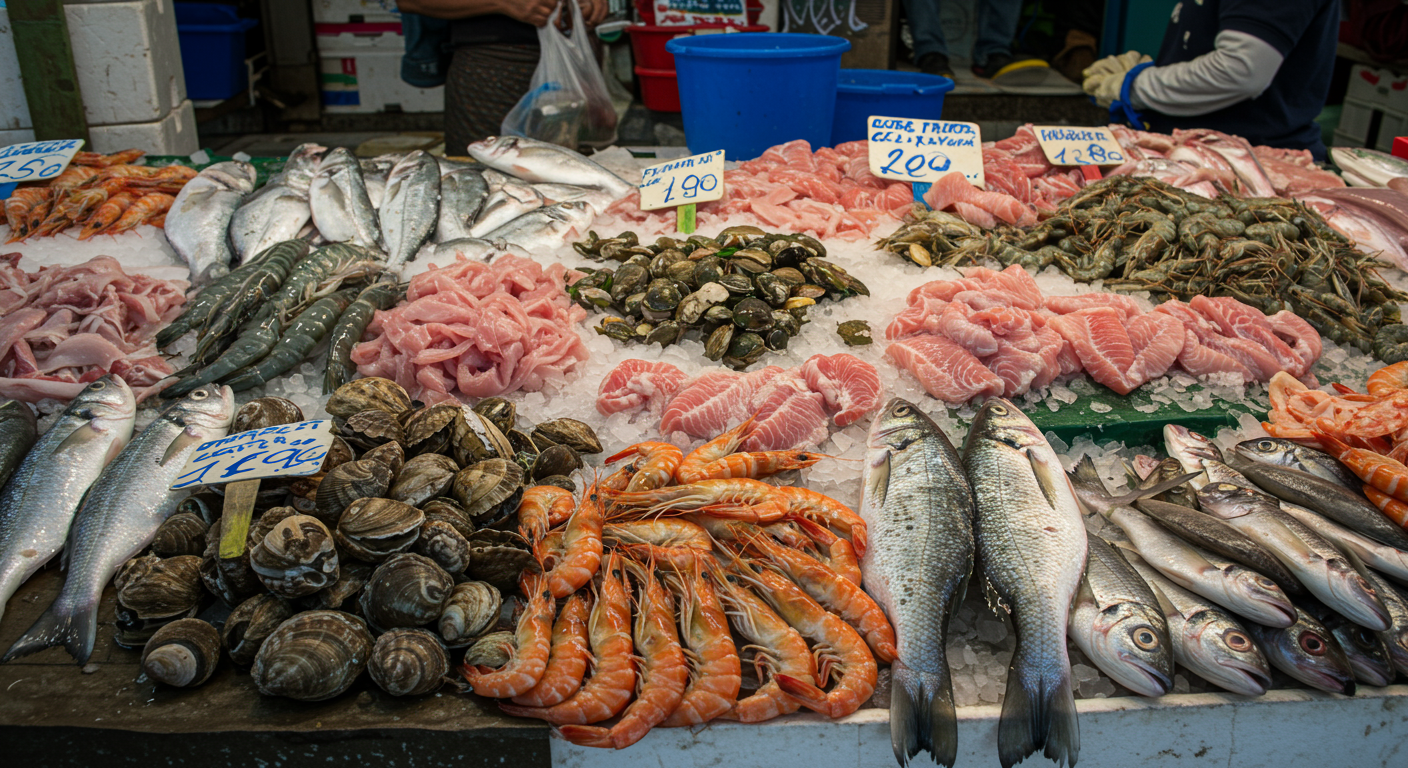
Ecuador's position along the Pacific coast and proximity to the Galápagos Islands creates ideal conditions for exceptional seafood. But does this geographic advantage translate to consistently fresh fish on your plate? The answer depends heavily on where you're dining and what you know about identifying quality.
Ecuador's Seafood Advantage: From Ocean to Plate
Ecuador's extensive Pacific coastline and access to Galápagos waters provide some of the world's most productive fishing grounds. The country has built a robust seafood export industry, particularly for shrimp and tuna, which requires sophisticated cold-chain infrastructure and quality control systems.
This export focus creates a dual-track system: premium seafood bound for international markets follows strict standards, while domestic distribution varies widely. Coastal cities like Guayaquil and Manta benefit from direct fleet access, receiving catches within hours of landing. Inland cities, however, face the challenge of maintaining freshness during transport across Ecuador's mountainous terrain.
Location Matters: The Geographic Reality
Where you dine in Ecuador dramatically affects your seafood quality. In major fishing ports like Manta and Esmeraldas, restaurants often serve fish caught the same day. Guayaquil, as Ecuador's largest port city, maintains excellent distribution networks and generally reliable freshness standards.
Quito and other highland cities present different challenges. Despite refrigerated transport, the journey from coast to mountains introduces delays that can compromise quality. The dramatic altitude difference also affects how quickly seafood deteriorates once it arrives.
Tourist zones typically maintain higher standards due to reputation concerns and stricter oversight, though this often comes with premium pricing. Local markets may offer better value but require more careful evaluation of freshness indicators.
The Ceviche Test: Ecuador's Freshness Benchmark
Ceviche serves as Ecuador's unofficial seafood quality standard. This dish demands absolutely fresh fish since citric acid "cooks" the protein chemically rather than through heat. Any off-flavors or textures become immediately apparent.
Regional ceviche variations reveal local sourcing patterns. Coastal versions often feature multiple seafood types caught locally, while inland preparations typically focus on reliable fish varieties that transport well. The quality of a restaurant's ceviche usually indicates the freshness standards applied to all their seafood dishes.
Pay attention to preparation and service. Quality establishments prepare ceviche to order and serve it immediately. Pre-made ceviche sitting under heat lamps or in display cases suggests compromised standards.
Regulation vs. Reality: Food Safety on the Ground
Ecuador has established comprehensive seafood safety regulations aligned with international export requirements. The National Institute of Fisheries Research oversees quality standards, while SENASAG handles food safety inspections.
Enforcement varies significantly between regions and market types. Tourist-focused restaurants in major cities generally maintain high standards due to regular inspections and business incentives. Local markets and smaller establishments may have more variable compliance.
The regulatory framework works well for large-scale operations and export facilities, but smaller fishing boats and local distributors sometimes operate with minimal oversight. This creates quality inconsistencies that diners need to navigate carefully.
Your Fresh Seafood Guide
Fresh seafood in Ecuador should have clear, bright eyes, firm flesh that springs back when pressed, and a clean ocean smell without ammonia or fishy odors. Mollusk shells should be tightly closed or close when tapped.
When dining out, ask servers about daily catches and sourcing. Reputable establishments will readily share this information. Be particularly cautious about unusually cheap seafood specials, which may indicate older inventory being moved quickly.
The best seafood is typically available early in the day when restaurants receive fresh deliveries. Avoid seafood late in the evening unless you're confident in the establishment's turnover and storage practices.
In coastal areas, seek out restaurants frequented by local fishermen and seafood workers—their presence usually indicates authentic quality and fair pricing. In inland cities, stick to established restaurants with good reputations and high customer turnover.
Trust your senses above all else. If seafood looks, smells, or tastes questionable, don't hesitate to send it back. Ecuador's competitive restaurant scene means most establishments will prioritize customer satisfaction over defending questionable dishes.