Seafood in Ecuador: How Fresh Is It Really?
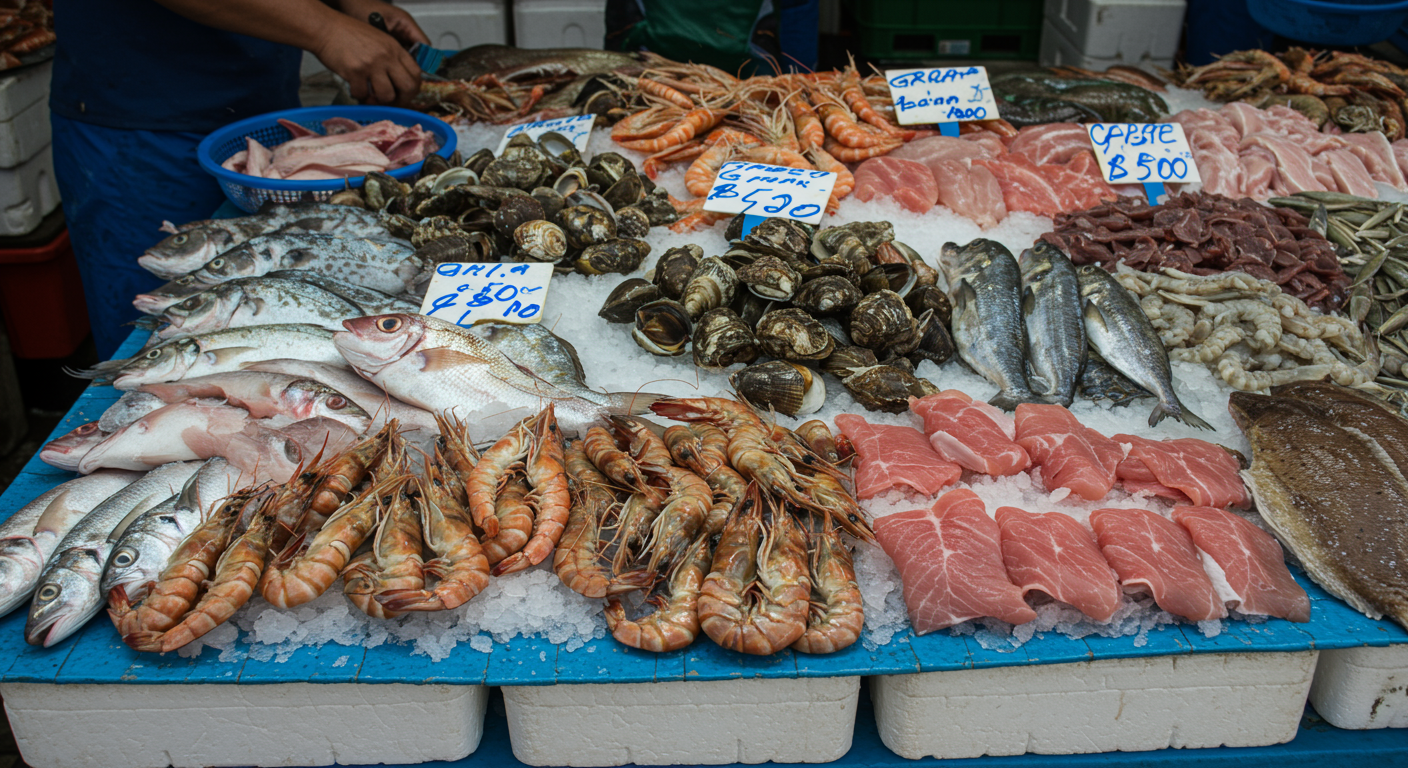
Ecuador's 2,237 kilometers of Pacific coastline promise abundant fresh seafood, but what actually reaches your plate depends heavily on where you're dining, when you visit, and whether you know what to look for.
Location Is Everything: Coast vs. Mountains
When it comes to seafood freshness in Ecuador, geography tells the whole story. Coastal cities like Guayaquil and Esmeraldas get the royal treatment – daily catches arrive directly from Pacific fishing boats, often reaching restaurant kitchens within hours.
Quito faces a much tougher challenge. Sitting high in the Andes at 2,850 meters, the capital relies on a 6-12 hour journey to get seafood from coast to plate. Without proper refrigeration during transport – which is surprisingly common – that journey can spell disaster for quality. The dramatic altitude and temperature changes don't help either.
You'll notice the difference immediately in restaurants. Coastal spots proudly display daily specials based on the morning's catch, while mountain establishments often play it safe with frozen options to guarantee they'll have something to serve.
Timing Your Seafood Experience Right
Ecuador's seafood follows Mother Nature's calendar, and smart diners pay attention. Corvina, the country's crown jewel fish, is at its absolute best from December through April when warmer Pacific currents bring schools closer to shore.
Love prawns? Plan your langostino feast for the dry season between June and November. Octopus enthusiasts should visit between September and February when calmer seas make for easier catches and better quality.
Even daily weather matters. When rough seas keep boats docked, restaurants scramble to frozen backup plans or simply scratch items from menus. The best establishments are upfront about these realities – if your server mentions the boats couldn't go out yesterday, appreciate the honesty.
The Export Reality Check
Here's an uncomfortable truth: Ecuador's best seafood often never sees a local plate. The Food and Agriculture Organization notes that premium catches head straight to international markets willing to pay top dollar, leaving restaurants to work with what's left.
This creates a two-tier system you should understand as a diner. Export-quality seafood commands prices most local restaurants can't justify, so they work with lower grades. But some upscale spots have cracked the code, building relationships with exporters to access that premium product. You'll pay international prices, but you'll get export-quality freshness.
Finding these restaurants takes homework – ask around, check foodie forums, and don't be surprised when the bill reflects the quality.
Your Seafood Detective Skills
Learning to spot fresh seafood isn't rocket science, but it requires paying attention. Fresh fish has bright, clear eyes and firm flesh that bounces back when you press it. It should smell like the ocean, not like, well, fish. Shellfish should snap shut tight when tapped – sluggish responses are red flags.
Don't be shy about asking questions. When did this arrive? Was it frozen? Where was it caught? Good restaurants welcome these questions and have detailed answers. Sketchy places will dodge or give vague responses.
Here's a pro tip: judge a restaurant's overall seafood standards by their ceviche. The lime juice in ceviche demands absolutely fresh fish to work properly, so exceptional ceviche usually signals a kitchen that takes freshness seriously across the board.
Trust your gut on warning signs: cloudy fish eyes, mushy textures, ammonia smells, or servers who can't answer basic sourcing questions. When in doubt, order something else.
Navigating Food Safety Realities
Ecuador has food safety regulations, but enforcement is hit-or-miss depending on where you eat. Tourist areas generally maintain higher standards because their reputation depends on it, while neighborhood joints might be more casual about protocols.
The Galápagos offers a fascinating contrast – National Geographic highlights how sustainable fishing practices there often translate to exceptional freshness standards and detailed sourcing information. Mainland operations vary much more widely in their approach to quality control.
If you're new to Ecuador's dining scene, play it smart with raw preparations like ceviche. Choose busy restaurants with obvious turnover, stick to cooked options when uncertain, and watch what locals do – they know which places earn trust.
Getting the Best Ecuador Has to Offer
For guaranteed fresh catches, head to coastal fishing communities during peak seasons. Puerto López, Salinas, and Esmeraldas put you right at the source, where restaurants serve what was swimming that morning.
Time your meals strategically. Fishing boats typically return late morning, so lunch often features the day's freshest options. By dinner, that same seafood has been sitting around longer.
Ask locals and fellow travelers for recommendations – the best seafood restaurants aren't always the flashiest or most tourist-focused. Sometimes the most unassuming spot near the harbor serves the most incredible catches.
Remember that Ecuadorian freshness standards and preparation methods might differ from what you're used to back home. Different doesn't mean worse – it just means approaching the experience with an open mind and realistic expectations.