Seafood in Ecuador: How Fresh Is It Really?
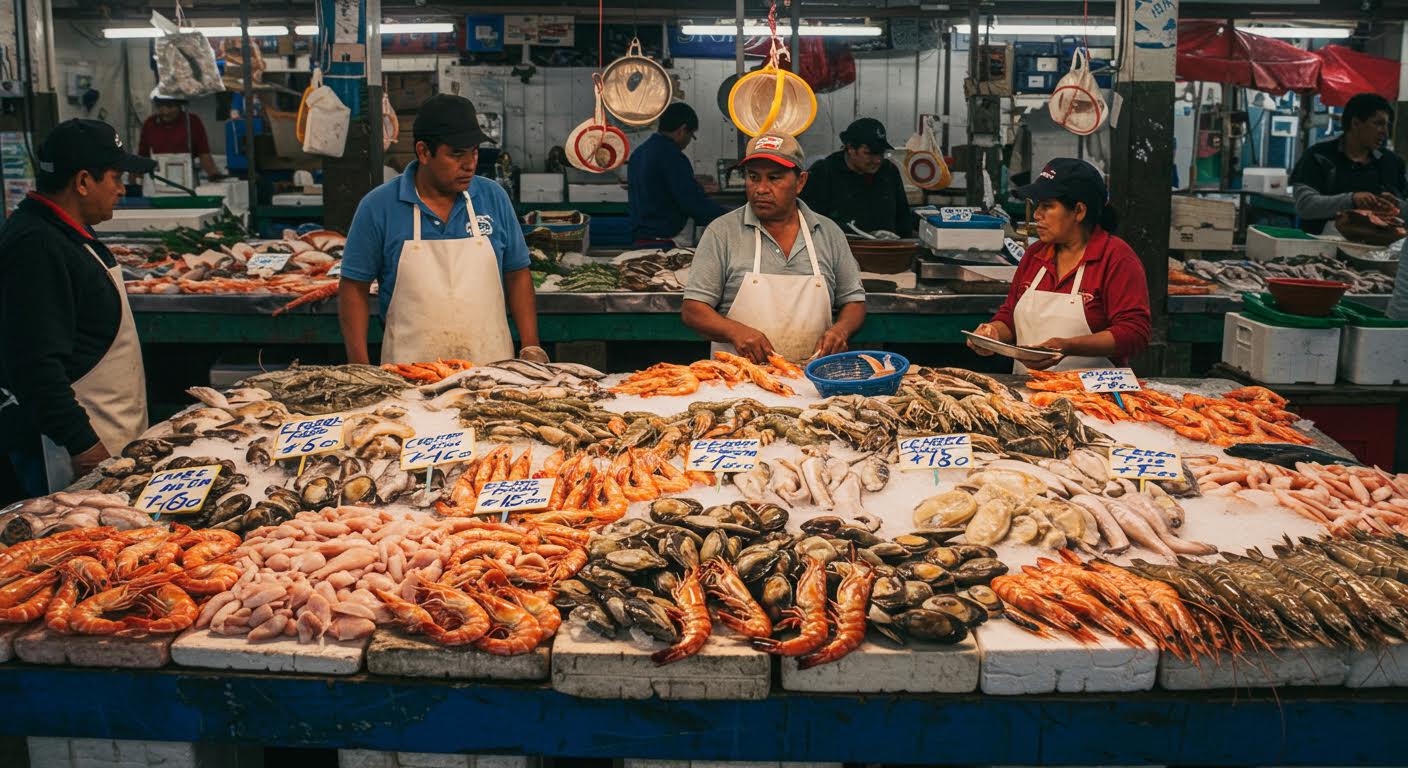
Ecuador's reputation for exceptional seafood is well-deserved, but the reality of freshness depends heavily on where you're dining and what you're ordering. With over 2,000 kilometers of Pacific coastline and some of the world's most productive fishing waters, the country offers incredible marine cuisine—when you know where to look.
Ecuador's Coastal Advantage: Geography Meets Gastronomy
Ecuador's geographic position along the Pacific Ring of Fire creates uniquely nutrient-rich waters that support diverse marine ecosystems. The convergence of warm and cold ocean currents near the coast generates abundant plankton, which feeds everything from anchovies to massive yellowfin tuna.
Major fishing ports like Manta, Guayaquil, and Esmeraldas operate around the clock, with fleets departing before dawn and returning with fresh catches by afternoon. These ports handle both artisanal fishing boats that work close to shore and larger vessels that venture into deeper waters for premium species like dorado and wahoo.
Seasonal variations significantly impact both availability and quality. The warm season from December through May typically brings calmer seas and more consistent catches, while cooler months may see reduced fishing activity but higher concentrations of certain species seeking warmer coastal waters.
The Freshness Factor: Coast vs. Inland
The difference between coastal and inland seafood quality is stark and unavoidable. Coastal cities like Salinas, Manta, and even Guayaquil benefit from same-day delivery from fishing fleets, often with catches moving from boat to plate within hours.
Quito and other highland cities face a more complex reality. Even with improved transportation infrastructure, the journey from coast to capital takes 4-6 hours under ideal conditions. Traffic, weather, and logistical delays can extend this timeline, making proper cold storage management critical.
Many Quito restaurants address this challenge by establishing direct relationships with coastal suppliers or limiting seafood offerings to certain days when fresh deliveries arrive. Some of the city's best cevicherías receive shipments on specific weekdays and plan their menus accordingly.
Where to Find the Freshest Catches
Traditional fish markets remain the gold standard for freshness, particularly in coastal areas. Markets like Mercado Central in Guayaquil and the morning fish market in Manta offer direct access to boats' daily catches, with vendors often able to tell you exactly when and where specific fish were caught.
The best cevicherías maintain direct relationships with fishing fleets or market vendors, often displaying their daily catch on ice for customers to inspect. These establishments typically serve limited menus based on what's genuinely fresh that day, rather than offering extensive year-round selections.
High-end restaurants in major cities often invest heavily in cold storage logistics and supplier relationships. Many work with specialized seafood importers who maintain proper refrigeration throughout the supply chain and can guarantee delivery schedules.
Warning signs of questionable freshness include strong fishy odors, cloudy or sunken eyes on whole fish, slimy textures, and establishments that seem to offer identical seafood selections regardless of season or market conditions.
Ecuador's Seafood Specialties and Their Seasons
Ecuador's shrimp farming industry operates year-round, making fresh shrimp one of the most consistently available options throughout the country. According to the Food and Agriculture Organization, the country ranks among the world's top shrimp producers, with farms concentrated along the coast providing reliable supply to both domestic and export markets.
Tuna fishing follows more distinct seasonal patterns, with peak catches typically occurring during warmer months when fish move closer to shore. The best tuna is often reserved for export markets, but top restaurants can secure premium cuts when relationships and timing align.
Local specialties like corvina, pargo, and dorado have distinct seasons and fishing zones. Corvina, particularly prized for ceviche, is generally best from January through April. Pargo quality peaks during cooler months, while dorado follows migration patterns that bring the best catches during transitional seasons.
Shellfish availability depends heavily on specific locations and environmental conditions. Certain areas experience seasonal closures due to red tide or other natural phenomena that can affect safety and quality.
Cold Chain Reality Check
Ecuador's cold storage infrastructure varies dramatically between urban centers and rural areas. Major cities have invested in modern refrigeration and transportation systems, but gaps remain, particularly in smaller coastal towns where some of the best fishing actually occurs.
Many restaurants and markets rely on simple ice preservation rather than consistent refrigeration, which can be adequate for same-day sales but creates quality concerns for longer storage. The effectiveness of these systems depends heavily on turnover rates and management practices.
The Ecuadorian Ministry of Fisheries establishes food safety standards and inspection requirements, but enforcement capabilities vary by region. Coastal areas with major commercial operations typically see more consistent oversight than smaller communities.
A Diner's Guide to Ensuring Quality
Fresh fish should have clear, bright eyes, firm flesh that springs back when pressed, and minimal odor beyond a clean, ocean-like scent. Gills should be bright red or pink, not brown or gray. For shellfish, look for tightly closed shells that open when cooked.
Don't hesitate to ask servers about the day's freshest options or when specific items were delivered. Reputable establishments are typically proud of their sourcing and happy to discuss their suppliers. Be wary of places that can't or won't provide this information.
In coastal areas, seek out establishments frequented by locals, particularly those near ports or markets. These venues often offer the best combination of freshness, authenticity, and value. In highland cities, consider dining at restaurants known for specific seafood delivery days.
Avoid seafood during extended holiday periods when transportation and market operations may be disrupted, and be cautious about raw preparations in areas far from the coast or during very hot weather when cold storage management becomes more challenging.