Rice Prices Nearly Double in Ecuador as Rains and Colombian Exports Squeeze Supply
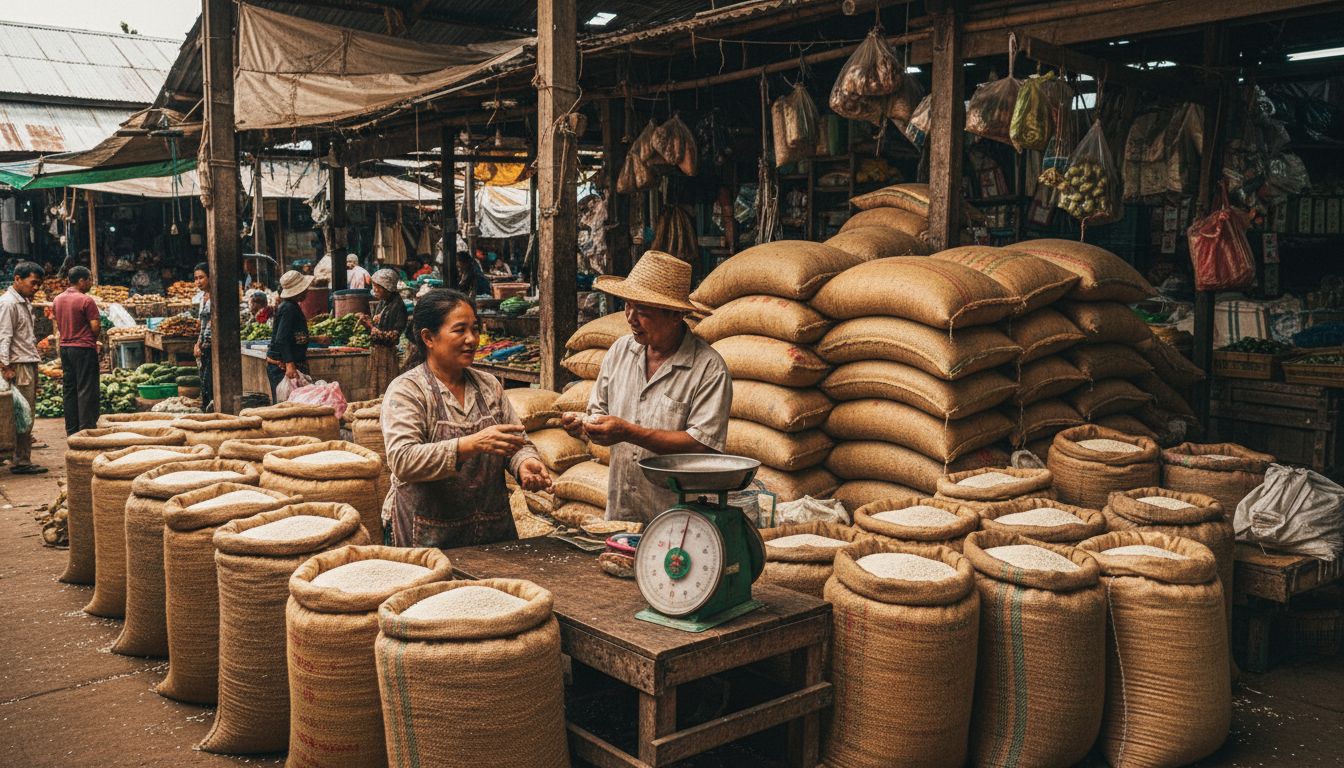
Rice, a staple on nearly every Ecuadorian table, has become noticeably more expensive since mid-2026. Prices that hovered around $27 to $30 per quintal (100 pounds) in July climbed to between $44 and $52 by October, according to wholesale price bulletins and reporting on piladora, or mill, pricing. In Quito's Mercado Mayorista, prices have pushed past $60 per quintal, up $8 to $14 since August. For households buying by the pound, the increase translates to paying roughly 50 to 60 cents more per pound, a jump many shoppers are feeling directly at the register.
Rice Prices Nearly Double as Multiple Pressures Converge
The price climb has not been uniform across varieties or regions, but the direction has been consistent: up. Many observers note that the increase accelerated noticeably in September and October, shortly after the main summer rice harvest in Guayas and Los Ríos wrapped up. That harvest reportedly produced around 400,000 tons of unhulled rice, and its conclusion appears to have tightened the fresh, post-harvest supply moving through wholesale channels.
For everyday consumers, the shift from a roughly $30 quintal to one approaching $50 is most keenly felt in the cost per pound at the local market or bodega, where a staple grain that was once a budgeting afterthought has become a more noticeable line item in household food spending.
The Colombian Export Factor
A significant piece of the puzzle involves cross-border trade. Ecuador resumed rice exports to Colombia on July 25, 2026, after a suspension that had been in place since February of that year. In the weeks that followed, exports accelerated quickly: roughly 41,000 tons were shipped to Colombia through August 2026, a 34% increase over the same period in 2025, when exports totaled about 30,429 tons.
A recurring consumer concern is that this renewed export flow, while beneficial for producers able to sell into a reopened market, has reduced the volume of rice available for domestic distribution at a moment when supply was already tightening from the end of the harvest season.
El Niño Rains and Harvest Disruption
Compounding the trade dynamics, early rains associated with an emerging El Niño pattern have affected rice-growing areas in Guayas, Los Ríos, and Manabí. Regional reporting describes crop losses of up to 20% in some zones, attributing the damage to flooding and excess moisture arriving earlier than usual in the growing cycle.
Rather than acting as a single cause, the weather-related losses appear to be layering on top of the export surge and the seasonal supply gap following harvest's end — a combination several sources describe as mutually reinforcing rather than independent shocks.
No Shortage, But a Trust Gap in the Supply Chain
Despite the price increases, sources close to the industry are notably consistent on one point: they do not describe this as a genuine shortage. Ecuador's annual milled rice production is estimated at approximately 900,000 tons, comfortably above domestic consumption needs of roughly 740,000 tons. On paper, there appears to be enough rice to go around.
That has left a lingering question, one raised by several industry voices and farmer advocacy groups: if there's no shortage, where is the extra money consumers are paying actually going? A recurring consumer concern — and a point of real dispute among those following the market — is whether price increases at the bodega level are reaching farmers at the farmgate, or whether intermediaries and piladoras are capturing a larger share of the margin. Some sources have suggested speculative behavior in parts of the distribution chain, though this characterization reflects specific named accounts rather than confirmed, settled fact, and the full picture of where value is accruing along the supply chain remains unresolved.
Oversight and What Comes Next
There is some institutional infrastructure in place to track these dynamics. Quito's Mercado Mayorista reportedly monitors prices on approximately 160 products twice a week, and Ecuador's official SIPA wholesale price bulletins have documented the quintal price increases in granular detail, lending a measure of transparency to a situation that might otherwise be harder to verify.
Industry sources project that elevated prices are likely to persist at least through December 2026, suggesting this is not expected to be a brief, short-lived spike. Whether that holds will likely depend on how harvest cycles, export volumes to Colombia, and any further weather disruption interact in the coming months. For now, open questions remain about how much of the current price environment reflects temporary, fixable friction in the supply chain versus a more structural shift in how Ecuador's rice economy balances domestic consumption against export demand.