Rice Prices Climb in Ecuador as Cuenca Sellers Say Supply Still Holds
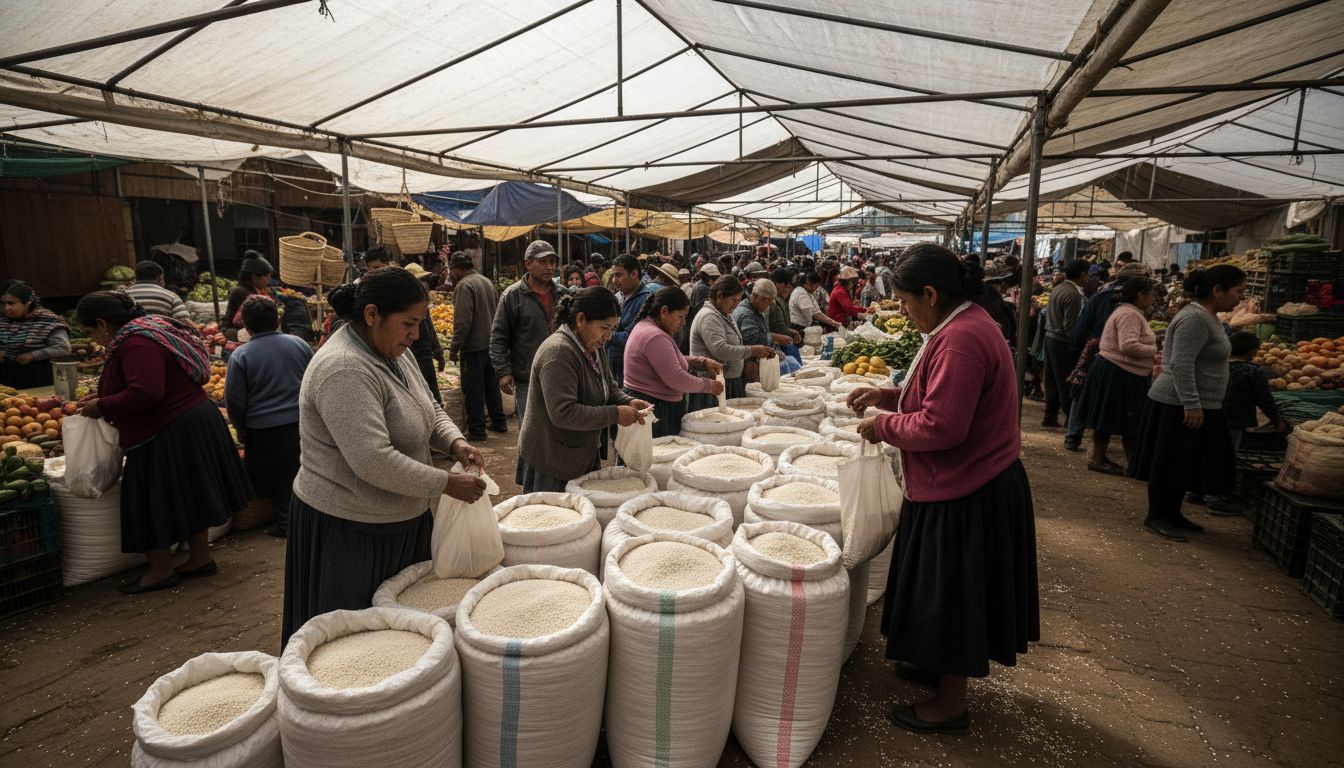
Rice has become noticeably more expensive in recent market reporting across Ecuador, with some coverage placing quintal prices in the high-$50s to around $60. In Cuenca, sellers and producers cited in local and national reports say that while prices have risen, there is no confirmed shortage and supply remains available.
That distinction matters for households, diners, and food businesses. A sharp price increase can create real pressure even when shelves and market stalls remain stocked. Based on current reporting, the issue appears to be cost and market strain rather than a clear lack of rice in local stores.
What market reporting says about the latest increase
Recent Ecuadorian business and agriculture coverage describes a rapid rise in rice prices in several markets, especially in Quito and other urban centers. AgroEcuador TV reported that the quintal had moved above $60 in Quito, while Centro TV Ecuador linked higher prices to climate conditions and exports. Cuenca references have echoed similar figures, although the local number appears mostly in secondary reporting and should be treated as a reported market claim rather than a fully verified city benchmark.
Even so, the overall pattern is consistent across available sources: rice is costing more than it did just weeks earlier, and both merchants and consumers are feeling the change.
Why prices may be rising
Reports point to two main pressures behind the increase. One is the resumption and acceleration of rice exports to Colombia. El Diario reported strong export volumes, and traders cited in local coverage say that movement has reduced the domestic cushion and added pressure to local prices.
The other factor is weather disruption tied to early rains associated with El Niño. Centro TV Ecuador and agriculture-sector reporting say those conditions have affected yields in rice-growing areas. Higher production costs, weaker harvest performance, and crop losses are also being cited as reasons consumers are now paying more in the market.
These explanations are widely repeated, but they should still be understood as reported causes cited by traders, producers, and news outlets, not as a final official accounting of every factor shaping prices.
Why sellers and producers say there is no shortage
Despite the price jump, producers, merchants, and agriculture officials cited in multiple reports continue to say Ecuador is not facing an outright rice shortage. Their position is that supply is still moving through the market and that availability remains intact, even if inventories are tighter than before.
In practical terms, that means shoppers may be paying more without seeing empty stalls. A tighter market does not necessarily mean rice has disappeared. It can mean the buffer is smaller, replacement costs are higher, and sellers are passing those increases along.
What this means for Cuenca diners and kitchens
For Cuenca's restaurants, lunch counters, and budget-friendly eateries, rice is more than a side dish. It is a staple that anchors daily plates and combo meals. If elevated market prices continue, businesses may have to accept thinner margins, reduce portions, or gradually raise menu prices.
For households, the pressure is similar. According to current reporting, rice remains widely available, but affordability is becoming the bigger concern. Unless market conditions ease, the local impact is more likely to show up in everyday food costs than in panic buying or visible scarcity.