Reported Ecuador-Canada Trade Deal on Cacao, Shrimp, and Quinoa: What Can Be Confirmed So Far
What the Reported Ecuador-Canada Trade Deal Claims
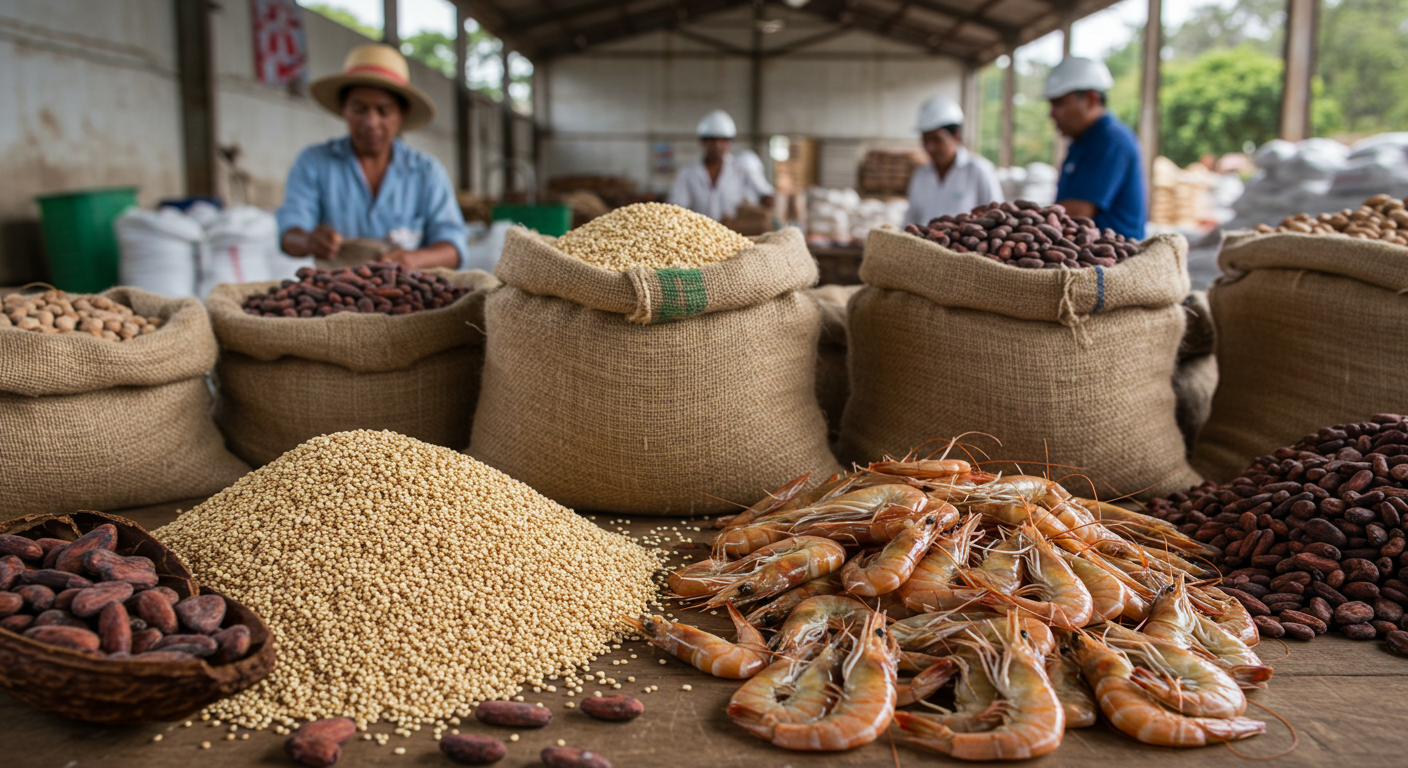
A claim circulating in trade and food-industry discussions holds that Ecuador has signed a new trade agreement with Canada that would substantially reduce or eliminate tariffs on several key Ecuadorian exports, including cacao, shrimp, and quinoa. If accurate, such a deal could affect Canadian food importers, retailers, and restaurants that rely on these ingredients.
The sourcing available to confirm this claim, however, consists only of general institutional and homepage-level web addresses rather than specific news articles, dated press releases, or official government announcements. As a result, the existence of this particular deal, its exact terms, and any signing date cannot currently be verified.
Why Verification Matters Before Reporting Details
There is an important distinction between a section-front or homepage URL and a specific, dated piece of reporting. A government trade portal's main page, for example, is not the same as a press release announcing a new agreement. Similarly, a news outlet's general business or world-news section is not equivalent to an actual article covering the story in question.
Government trade resources such as Global Affairs Canada's trade agreements pages, Ecuador's Comercio Exterior portal, and the broader gob.ec domain are relevant institutions that would plausibly publish information about a deal like this. At present, though, the specific pages available do not contain confirming content about this agreement.
Likewise, major news organizations including Reuters, Bloomberg, and CBC were referenced only through their general section fronts covering Latin America or business news broadly, not through direct articles reporting on this specific trade deal. Until such confirming coverage is identified, the details of the agreement should be treated as unverified.
Cacao: Potential Impact on Trade and Dining if Confirmed
Ecuador is widely recognized as one of the world's leading cacao exporters, known particularly for fine-flavor cacao varieties used in premium chocolate production. Many observers in the food and confectionery sectors pay close attention to Ecuadorian cacao supply chains given this reputation.
If a tariff-reducing trade deal were confirmed, it could theoretically lower costs for Canadian chocolatiers, confectioners, and food manufacturers sourcing cacao from Ecuador, potentially influencing the pricing or availability of chocolate products in Canadian markets. This remains speculative, however, pending verified details of any actual agreement.
Shrimp: Potential Impact on Trade and Dining if Confirmed
Ecuador is also a major global exporter of farmed shrimp, supplying markets across North America, Europe, and Asia. Its shrimp industry represents a significant share of the country's export economy.
Should a tariff reduction be confirmed, it could influence shrimp pricing and availability in Canadian grocery and restaurant supply chains, potentially making Ecuadorian shrimp more price-competitive for Canadian buyers. As with cacao, drawing firm conclusions about the dining industry's impact requires confirmed sourcing on the deal's actual scope and implementation.
Quinoa: Potential Impact on Trade and Dining if Confirmed
Ecuador is among the countries involved in quinoa cultivation and export, a grain that has seen growing demand in North American retail and food-service markets due to its nutritional profile.
A confirmed reduction in tariffs could matter to Canadian food retailers and restaurants that source quinoa, potentially affecting cost structures for menu items or packaged goods containing the grain. Again, these remain potential outcomes contingent on verification of the underlying trade agreement.
Category Fit and Sourcing Considerations
Coverage in a Dining-Out context typically calls for sourcing specific to food and restaurant industry developments, rather than broad trade-policy verification drawn from general institutional pages. In this case, the available sources are limited to homepage-level government and news domains rather than dedicated articles or official statements confirming the deal.
Before detailed claims about this trade agreement are published, it would be advisable to locate a specific government press release, an official trade bulletin, or dated news coverage confirming the deal's terms and status. Once such confirmation is available, future coverage could be reframed to focus more directly on food-industry implications, such as specific pricing changes, importer responses, or menu-level effects in Canadian dining establishments.