República del Cacao Partners With Spain’s Paco Torreblanca Pastry Prize
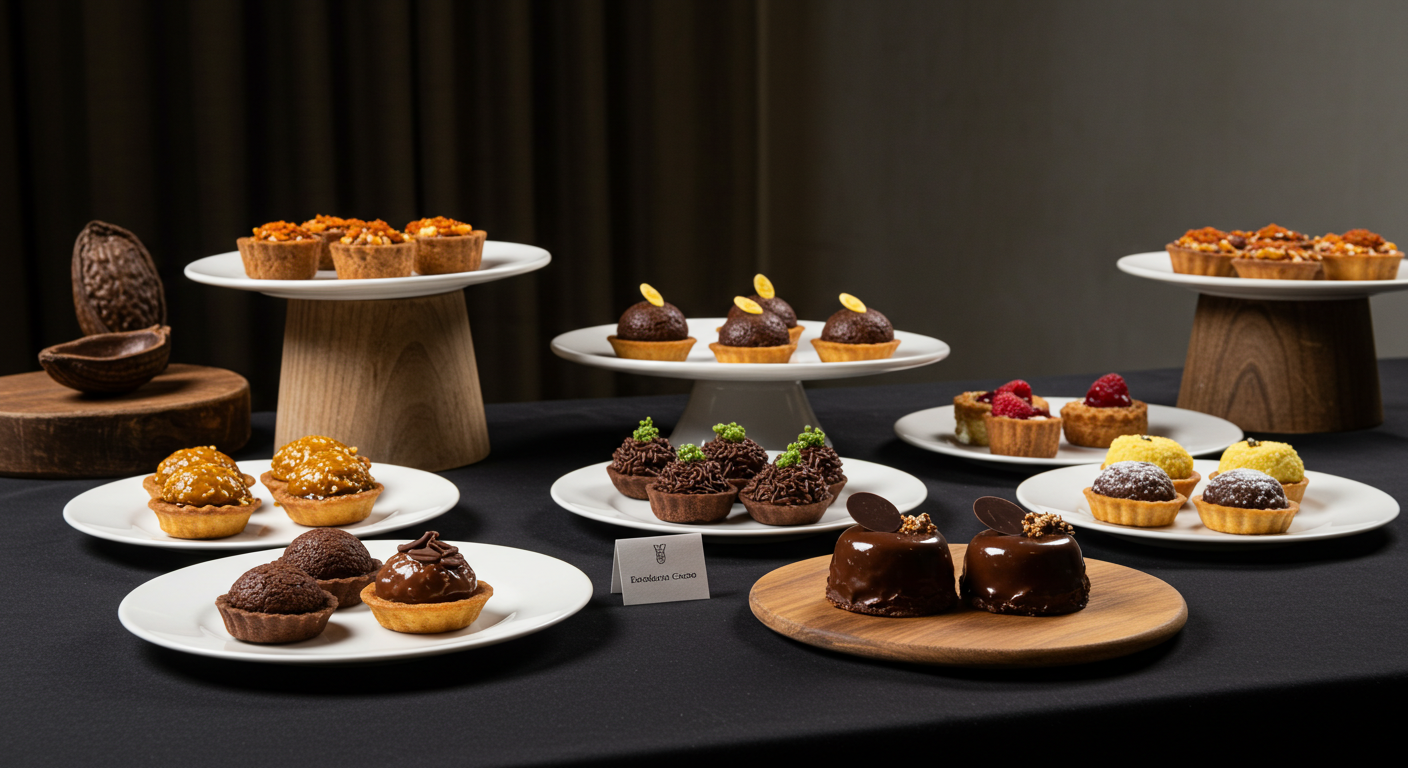
República del Cacao has been named a global partner of Spain’s Paco Torreblanca Pastry Prize, connecting one of Ecuador’s best-known premium chocolate brands with a competition closely tied to top-level pastry craftsmanship. For readers who follow dining and desserts, the collaboration stands out not just as a brand announcement, but as another sign of how much ingredient identity matters in contemporary pastry.
República del Cacao joins the Paco Torreblanca Pastry Prize as a global partner
The partnership brings together República del Cacao, a chocolate brand focused on Latin American cacao origins, and the Paco Torreblanca Pastry Prize, a competition linked to the legacy of acclaimed Spanish pastry chef Paco Torreblanca. In pastry circles, that matters because these events are not only about technique and presentation. They also spotlight the ingredients competitors and judges consider worthy of serious professional use.
That makes this more than a simple sponsorship story. It places chocolate at the center of the competition’s creative identity. In practice, a global partner in this setting can help shape the flavor profile, sourcing story, and professional standards associated with the event.
Why Ecuadorian fine-aroma cacao is central to the story
A key part of the collaboration is the visibility it gives to cacao sourced from Ecuador. República del Cacao has built much of its identity around origin-focused chocolate, and Ecuador is widely associated with fine-aroma cacao in premium chocolate and pastry conversations. In a competition setting, that matters because pastry chefs are often looking for chocolate with distinctive flavor, consistency, and traceability.
For professionals, origin is more than a label. Cacao source can influence aromatic complexity, fruit notes, floral character, and overall balance in finished desserts. When a competition partner emphasizes fine-aroma cacao, it adds another layer to how participants and audiences understand the final plated work: not just as technique, but as ingredient storytelling.
That also helps explain why Ecuador fits naturally into the narrative. The country’s cacao reputation has long made it a strong reference point for chefs and chocolate makers discussing premium couverture and refined pastry applications.
What República del Cacao brings to the collaboration
Based on its brand positioning, República del Cacao presents itself as a chocolate company focused on high-quality cacao sourcing and products suited to both everyday chocolate enjoyment and professional pastry use. Its materials emphasize origin, craftsmanship, and chocolate made to highlight the character of the cacao itself.
In the context of the Paco Torreblanca Pastry Prize, that profile is a natural fit. A competition built around pastry excellence benefits from ingredients chefs can use with precision and consistency, while still delivering a flavor profile distinctive enough to support original creations. For República del Cacao, the partnership places its chocolate in a setting where technical performance and taste are evaluated side by side.
The result is a collaboration that feels well matched to the needs of the pastry world: premium ingredients, a clear sourcing identity, and a professional audience that cares about both execution and flavor depth.
How the prize reflects the intersection of pastry talent and premium ingredients
Pastry competitions often showcase emerging talent, established culinary standards, and the ingredients that help shape standout work. That is part of what makes this partnership worth watching. When a chocolate brand becomes associated with a respected pastry prize, it gains visibility among chefs, students, judges, and hospitality professionals who pay close attention to product quality.
At the same time, the competition gains a stronger ingredient narrative. Chocolate is rarely a neutral component in pastry at this level. It can define the tone of an entry, the complexity of a dessert, and the emotional response it creates. A partner known for origin-driven chocolate brings added meaning to that process without changing the core judging mission of the event.
Seen that way, the collaboration sits at the intersection of craftsmanship and sourcing. It reflects how today’s pastry culture values not only technical skill, but also the story and sensory identity behind the ingredients being used.
What readers should watch for next
The next developments to watch will likely be how visibly República del Cacao is integrated into upcoming prize activities, including featured desserts, chef participation, and any official competition programming tied to the partnership. Future updates may also show how the collaboration is presented to professional pastry audiences and whether specific creations highlight Ecuadorian cacao origin more directly.
For readers interested in dessert, fine dining, and pastry culture, the practical takeaway is simple: this partnership is a strong example of how premium chocolate origin continues to matter in elite pastry settings. It is not only about branding, but also about the growing importance of traceable ingredients and flavor identity in the way top-level desserts are judged and remembered.