Pesticide Use in Ecuadorian Agriculture: What Diners Should Know
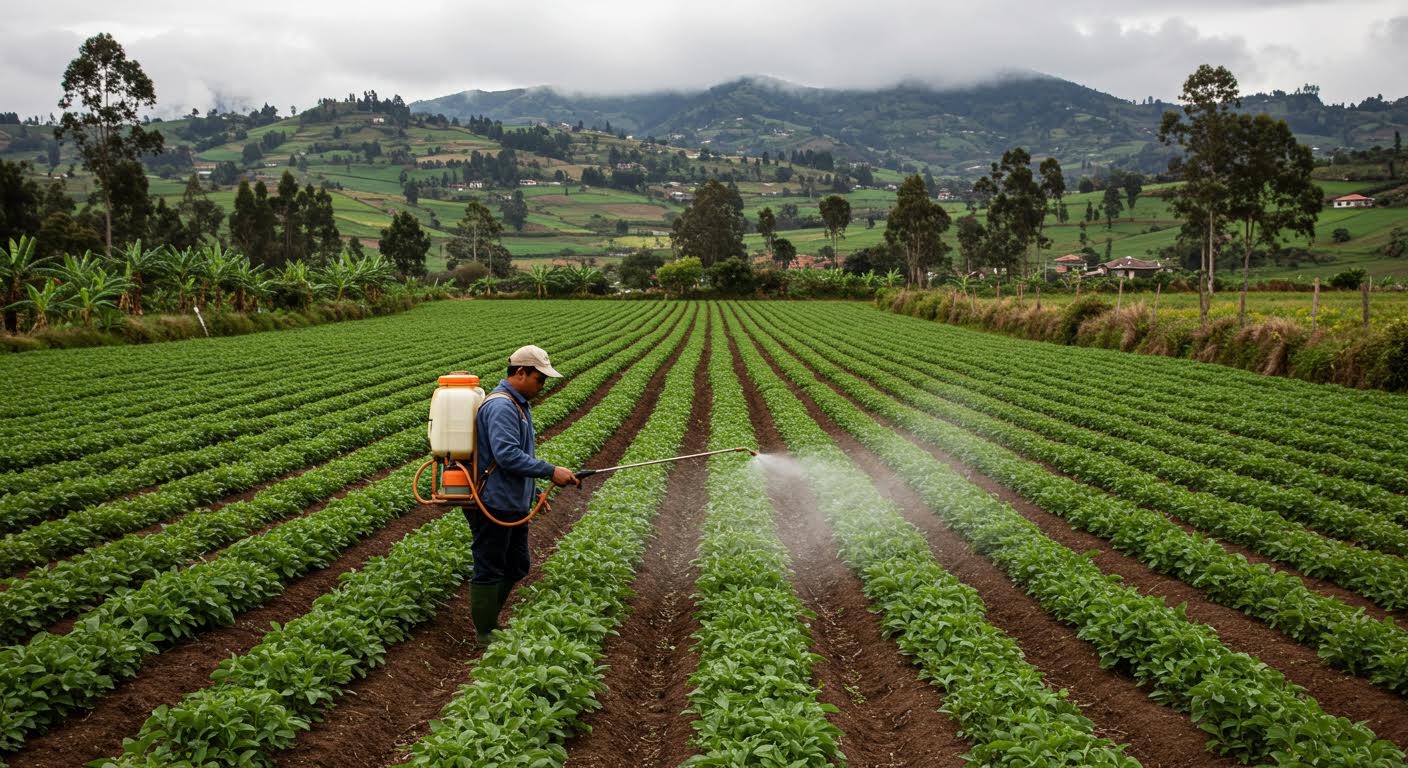
Ecuador's vibrant agricultural sector produces much of the fresh produce that graces restaurant tables and markets throughout the country. Understanding how pesticides fit into this agricultural system can help you make informed choices about the food you enjoy when dining out in Ecuador.
Ecuador's Agricultural Pesticide Landscape
Ecuador's economy thrives on agriculture, exporting bananas, flowers, cacao, and a variety of fruits and vegetables worldwide. This intensive farming system relies heavily on pesticides to maintain the crop yields and quality standards needed for both local dining and international markets.
Different regions use pesticides in distinct ways. Coastal banana plantations follow different chemical regimens than flower farms high in the Andes or cacao operations deep in the Amazon. Each environment demands its own approach to pest management.
Who's Watching: AGROCALIDAD's Role
AGROCALIDAD, Ecuador's national agricultural quality control agency, oversees all pesticide registration, approval, and monitoring across the country. Think of them as the gatekeepers ensuring that agricultural chemicals used in food production meet safety standards.
Their regulatory framework covers everything from pesticide registration requirements to application guidelines and residue monitoring programs. Ecuador has also adopted parts of the Food and Agriculture Organization pesticide registration toolkit to align with international best practices for managing agricultural chemicals.
How Pesticides Are Used
Ecuadorian farmers primarily use three types of pesticides: fungicides, insecticides, and herbicides. The specific mix depends on what they're growing and the season. Banana production, being one of the country's agricultural giants, accounts for a significant chunk of overall pesticide use.
Application methods vary dramatically—from aerial spraying over vast plantations to precise ground applications on smaller farms. The intensity and frequency often depend on export quality requirements and how much pest pressure farmers face in their specific regions.
Environmental and Health Considerations
Pesticide use inevitably raises environmental and health questions that can affect food safety. Key concerns include potential impacts on soil health, water quality, and local ecosystems, plus occupational risks for the people working in agriculture.
Rural communities in farming areas experience varying levels of environmental exposure to these chemicals, sparking ongoing conversations about sustainable farming practices and better safety protocols for workers.
What This Means for Your Plate
As a diner, your main concern is likely pesticide residues on the fresh produce served in restaurants and sold at markets. Ecuador maintains testing programs to monitor residues on both exported crops and food consumed locally.
Restaurants typically source their produce through established supply chains that include various levels of quality control and testing. How kitchens wash and prepare ingredients also influences the final residue levels in your meal.
You can reduce potential exposure by choosing restaurants that emphasize locally sourced, organic, or sustainably grown ingredients when available. Many establishments now proudly highlight their sourcing practices as part of their commitment to food quality and safety.
Looking Toward the Future
Ecuador continues working with international organizations to improve pesticide management and explore alternatives to the most hazardous chemicals. These efforts include promoting integrated pest management techniques and supporting organic farming development.
Government initiatives try to balance agricultural productivity needs with environmental and health considerations, while international advocacy groups push for reductions in the most concerning pesticide products.
Ecuador's growing organic and sustainable agriculture movement gives diners more opportunities to choose restaurants and food establishments that prioritize produce grown with minimal or no synthetic pesticide inputs.