Pesticide Use in Ecuadorian Agriculture: What Diners Should Know
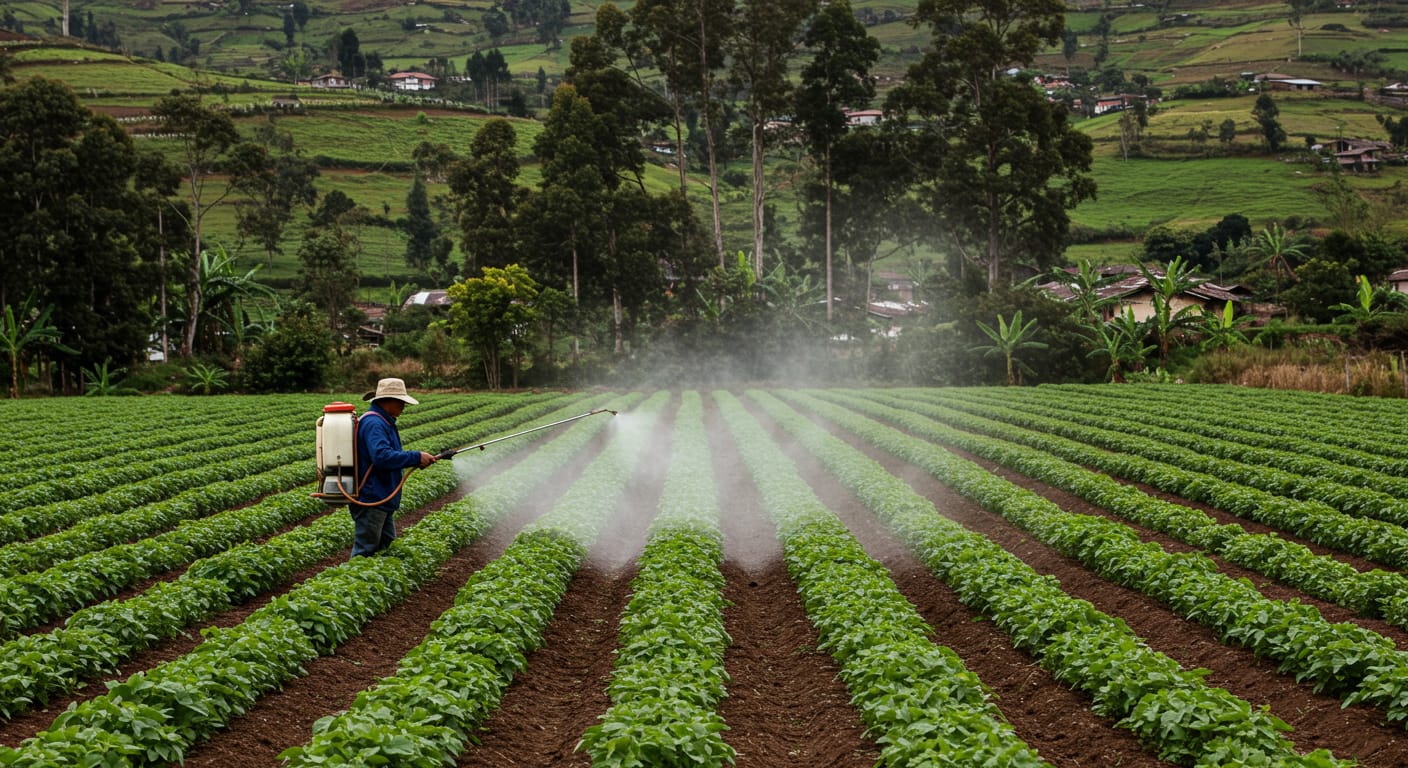
Ecuador's agricultural sector plays a crucial role in global food markets, ranking among the world's top exporters of bananas, flowers, and cacao. This agricultural success comes with significant pesticide use across major crop systems, raising important questions about food safety for consumers and restaurants worldwide.
Ecuador's Agricultural Pesticide Landscape
Ecuador's economy depends heavily on agricultural exports, with bananas alone generating billions in annual revenue. The country's major agricultural products—bananas, cut flowers, cacao, and tropical fruits—require intensive pest management to meet international quality standards and maintain competitive yields.
According to the Food and Agriculture Organization, Ecuador imports substantial quantities of pesticides annually to support its agricultural sector. This pesticide consumption reflects the country's focus on export-oriented, high-value crops that must meet strict quality and appearance standards demanded by international buyers.
Official Statistics and Regulatory Framework
Agrocalidad, Ecuador's agricultural quality agency, oversees pesticide regulation and monitoring throughout the country. The agency maintains registration systems for approved pesticides and conducts periodic inspections of agricultural operations.
FAOSTAT data shows that Ecuador's pesticide use patterns align with other major agricultural exporters in Latin America, though specific application rates vary significantly between crop types and farm sizes. The regulatory framework includes provisions for maximum residue limits on exported products to meet importing country requirements.
Specific Crop Applications and Practices
Banana plantations represent Ecuador's most pesticide-intensive agricultural system. Large-scale banana operations typically implement comprehensive spray programs targeting fungal diseases, nematodes, and various insect pests. Weekly fungicide applications are common during certain seasons to prevent black sigatoka and other diseases that can devastate banana crops.
The flower industry, centered primarily around roses for export, employs intensive pesticide regimens to maintain the pristine appearance required by international flower markets. These operations often use greenhouse systems with controlled pesticide applications.
Small-scale farming operations generally use fewer pesticides than large industrial farms, though access to technical guidance and proper application equipment varies significantly across different regions.
International Monitoring and Food Safety
The World Health Organization Joint Meeting on Pesticide Residues maintains databases tracking pesticide residue findings in food products from various countries, including Ecuador. These monitoring systems help identify potential food safety concerns and track compliance with international residue limits.
Export markets, particularly the United States and European Union, require regular testing of imported Ecuadorian produce. Products that exceed maximum residue limits face rejection at ports of entry, creating strong economic incentives for compliance with pesticide regulations.
Despite regulatory frameworks, monitoring has occasionally detected residues of pesticides banned in importing countries. These findings typically involve legacy chemicals or unauthorized applications rather than systematic violations.
What This Means for Your Dining Experience
Restaurants and consumers purchasing imported Ecuadorian produce generally benefit from multi-layered testing and regulatory systems governing international food trade. However, pesticide residue levels can vary depending on the specific product, growing practices, and time between application and harvest.
Bananas, Ecuador's largest export crop, undergo extensive testing before reaching international markets. The fruit's thick peel also provides natural protection against pesticide residues in the edible portion.
Food service operations sourcing Ecuadorian ingredients should know that organic certification provides additional assurance regarding pesticide use, though organic Ecuadorian products represent a small fraction of total agricultural exports.
For consumers and restaurant operators, washing all imported produce thoroughly remains a standard food safety practice, regardless of country of origin. Understanding the agricultural practices behind imported ingredients helps inform menu planning and sourcing decisions in commercial kitchens.