PedidosYa’s Ecuador Milestone Highlights Delivery Dining’s Growing Role in Cuenca
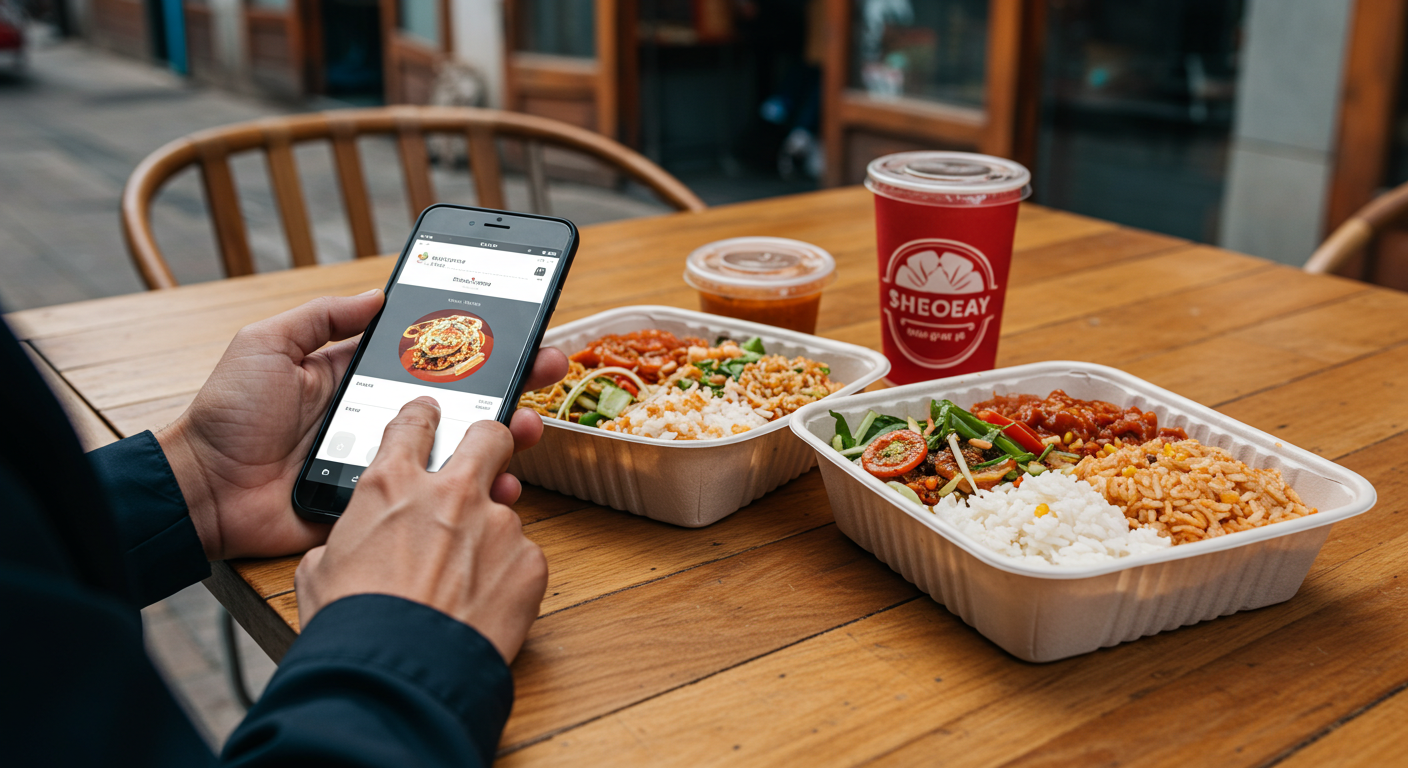
PedidosYa is now a familiar name in Ecuador’s food-delivery landscape, giving diners a simple way to browse restaurants, place orders, and get meals delivered through a single app. Reports connected to the company’s presence in Ecuador point to a milestone moment, but the headline claims about five years in the country and 30 percent growth should still be treated as attributed claims unless they are confirmed by a published company release or a fully sourced news report.
Even with that caveat, the larger story is easy to see. Delivery apps have become part of how people experience local dining, especially in urban areas where convenience, variety, and time savings shape everyday choices.
How delivery apps changed the dining-out conversation
Platforms like PedidosYa have blurred the old line between dining out and eating at home. A restaurant meal no longer requires a table, a parking spot, or even leaving the house. For many customers, the app itself becomes a dining guide, showing nearby options, promotions, and cuisines they might not have considered otherwise.
That shift matters because it changes what “going out for food” means. Instead of choosing between cooking and visiting a restaurant, consumers increasingly have a third option: ordering from a local business with just a few taps. The appeal is straightforward: speed, convenience, broad selection, and the ability to compare options in one place.
In Ecuador, as in many markets, that model can help restaurants stay visible beyond foot traffic alone. It also gives diners access to more neighborhoods and more menus than they might regularly explore in person.
What PedidosYa’s Ecuador presence suggests about the market
The PedidosYa Ecuador platform shows a service built around restaurant aggregation, delivery logistics, and digital ordering. For consumers, that creates a more centralized way to discover food options. For restaurants, it can mean exposure to customers who may never walk past the storefront.
That kind of platform presence usually signals a maturing delivery market. Once customers get comfortable ordering through apps, convenience can become part of the decision-making process alongside food quality, price, and location. Restaurants then compete not only on the street or inside a mall, but also in a digital marketplace where visibility and promotions play a bigger role.
As for the reported anniversary and growth figures, those are best understood as part of PedidosYa’s public narrative unless they are backed by a clearly identified article or company statement. The broader takeaway, however, is that app-based ordering continues to matter in Ecuador’s restaurant economy.
Why Cuenca fits into this story
Cuenca is a natural city to watch in any conversation about delivery dining. It has dense restaurant zones, a mix of local and international options, and residents who increasingly balance convenience with the desire to enjoy the city’s food scene. That does not automatically prove that one platform has reshaped local dinner habits on its own, but it does make Cuenca a relevant part of the trend.
In practical terms, delivery apps can influence how people in Cuenca choose dinner by expanding access to restaurants outside their immediate neighborhood, reducing the friction of ordering, and making it easier to try something new on a weeknight. For busy households, professionals, and students, those small conveniences can add up to meaningful changes in routine.
The result is a dining culture where restaurant meals are available in more formats than before: dine-in, takeout, and app-based delivery, each competing for the same customer at different moments of the day.
What restaurants gain, and what they risk
For restaurants, delivery platforms can offer real advantages. They can generate additional orders, broaden customer reach, and improve visibility in a crowded market. A business with a strong menu but limited foot traffic may find new demand through app discovery alone.
But the tradeoffs are also well known. Third-party platforms can put pressure on margins through commissions and promotional expectations. Restaurants also have less control over the final stage of the customer experience when food quality depends on transport time, packaging, and delivery handling. A dish that works well in-house may not travel as successfully.
That tension is now part of modern dining culture. Restaurants want broader reach, but they also have to protect quality, profitability, and their direct relationship with customers.
What to watch next
The most important next step for this story is stronger verification of the anniversary and growth claims through a specific Ecuador news report or company statement. If those details are confirmed, they would help clarify how PedidosYa wants to position its recent performance in the country and whether Cuenca figures prominently in that expansion story.
Beyond that, readers should watch for signs of deeper city-level competition, new restaurant partnerships, and evidence that delivery platforms are influencing how local businesses design menus, packaging, and promotions. Those are often the clearest indicators that app-based ordering is becoming more central to the dining ecosystem.
For now, the verified picture is modest but meaningful: PedidosYa has an established presence in Ecuador, and delivery apps are firmly part of the way many people interact with restaurants. In a city like Cuenca, that alone makes the trend worth watching.