PedidosYa Turns Five in Ecuador as Cuenca Emerges as a Key Delivery City
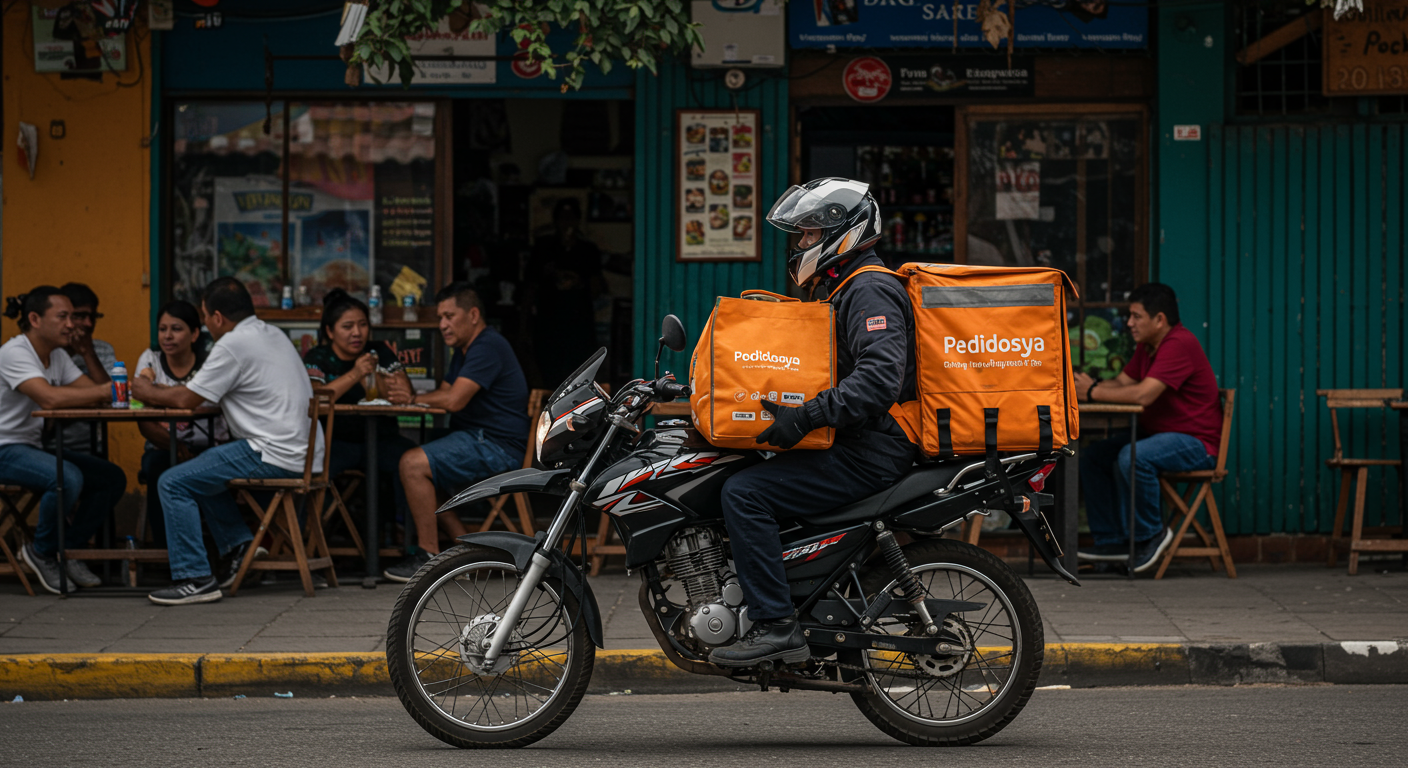
PedidosYa’s five-year mark in Ecuador is also a good moment to look at where food delivery growth is happening now. In that conversation, Cuenca stands out. The idea that Cuenca has become the country’s third-biggest delivery market should be understood as a company or media-reported characterization, not an independently verified national ranking. Even so, it points to something important: Cuenca is no longer a side market in Ecuador’s app-based dining economy.
For local diners, that shift means more restaurants available with just a few taps and broader delivery habits across the city. For restaurant owners, it suggests that digital ordering is becoming harder to treat as optional.
How PedidosYa established itself in Ecuador
PedidosYa entered Ecuador as app-based ordering was becoming more familiar to urban consumers. Its appeal was simple: a centralized platform where users could browse restaurants, place orders, and receive food without calling a business directly. Over time, that convenience helped turn delivery from an occasional service into a regular part of dining routines in several cities.
In Ecuador, the platform’s relevance has been shaped less by its broader corporate story and more by practical, city-by-city adoption. For Dining-Out readers, the key point is that PedidosYa grew by connecting restaurants to a larger digital customer base and making ordering easier for consumers who wanted speed, variety, and reliable access from their phones.
Why Cuenca has become a standout delivery city
Cuenca’s rise makes sense when viewed through the city’s dining culture and urban layout. It has a strong concentration of restaurants, cafes, and casual eateries, along with neighborhoods where students, professionals, and families already mix in-person dining with takeout and delivery. That creates favorable conditions for a delivery platform looking for frequent orders and repeat customers.
The city also occupies a useful middle ground: large enough to support broad restaurant participation, but compact enough that delivery logistics can still work well for both customers and operators. If local reporting and company statements are accurate in describing Cuenca as a top-tier delivery market, that would reflect not just population size but also how often residents use app-based ordering in everyday life.
Cuenca’s restaurant scene likely plays a major role as well. A city with diverse dining options gives delivery apps more to offer, which in turn gives customers more reasons to keep opening the app. That kind of feedback loop can help a market grow faster than outsiders might expect.
What Cuenca’s growth means for local restaurants and diners
For restaurants, stronger delivery adoption can expand reach beyond foot traffic and neighborhood familiarity. A business in one part of the city may be discovered by customers who otherwise would never have walked in. Delivery platforms can also help restaurants capture peak mealtime demand without relying entirely on dine-in seating.
For diners, the advantages are more obvious: wider choice, easier ordering, and more flexibility across neighborhoods and schedules. Delivery has become part of how many people handle lunch breaks, family dinners, and late-night meals, especially when convenience matters as much as the food itself.
Still, the growth of delivery is not an uncomplicated win for everyone. Restaurants have to manage commissions, packaging costs, and competition for visibility inside the app. Diners, meanwhile, weigh convenience against delivery fees and service charges. In a city where more businesses join the platform, discoverability becomes its own contest.
How Cuenca fits into Ecuador’s broader delivery map
Quito and Guayaquil remain Ecuador’s largest urban delivery markets by scale, so Cuenca’s importance is especially notable as a secondary city. Whether it is exactly the third-largest market should be attributed to company messaging or local coverage, but the broader takeaway is clear: growth is no longer concentrated only in the country’s two biggest cities.
That matters because platform economics often improve when secondary cities mature. Once consumers are comfortable ordering regularly and restaurants see clear value in participating, those cities become central to the next phase of expansion. Cuenca appears to fit that pattern, offering a case study in how delivery habits can deepen outside the biggest metropolitan centers.
What the next phase could look like
For PedidosYa, the next phase in Ecuador will likely depend on deeper restaurant coverage, better logistics, and encouraging customers to order more often rather than only on special occasions. In Cuenca, that could mean denser neighborhood coverage, more independent restaurant participation, and a broader mix of cuisines and price points inside the app.
What is worth watching locally is not just market size, but behavior: whether ordering becomes more routine, whether more restaurants treat delivery as a core sales channel, and whether competition inside the platform pushes businesses to sharpen menus, packaging, and promotions.
At five years in Ecuador, PedidosYa’s anniversary is more than a corporate milestone. It also reflects a shift in the country’s dining landscape. In that shift, Cuenca is increasingly part of the main story rather than the background.