Mercado 9 de Octubre at 94: The Cuenca Classics That Keep People Coming Back
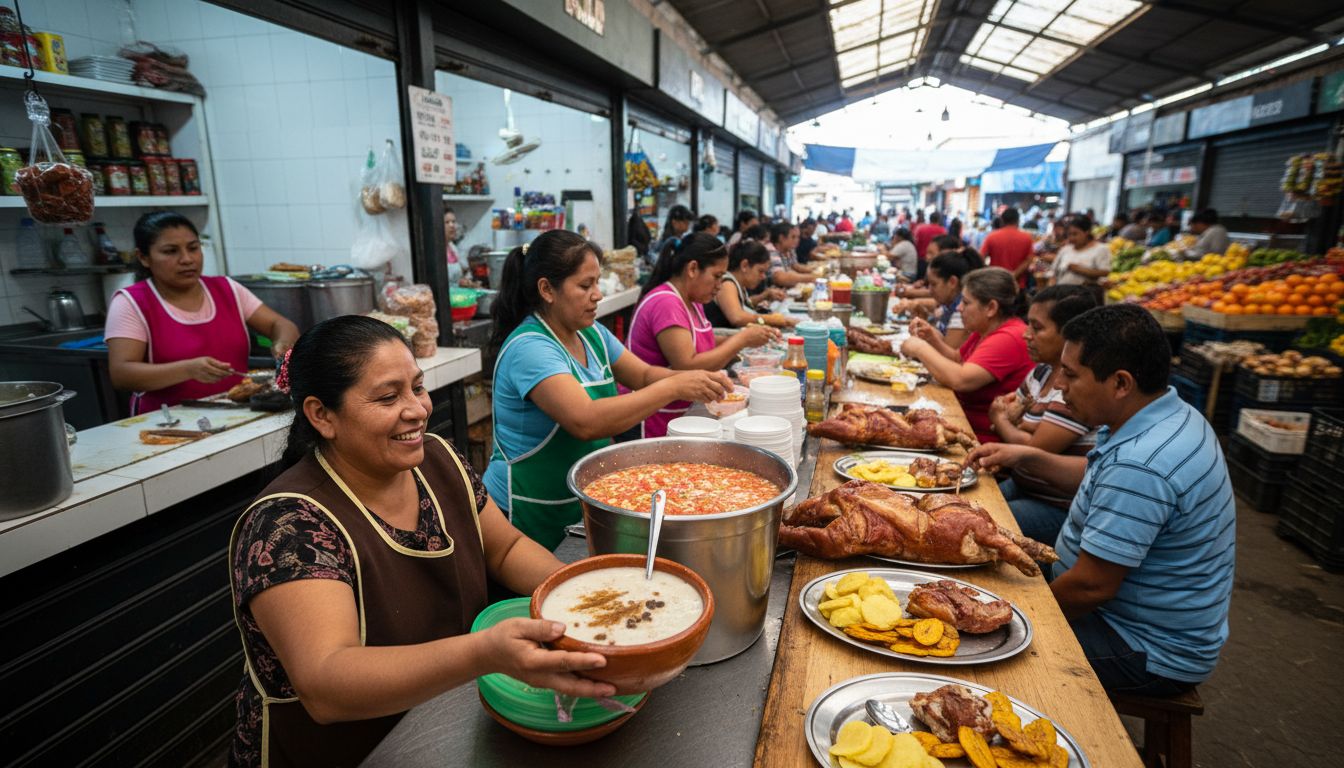
Mercado 9 de Octubre is turning 94, and for many people in Cuenca, that anniversary says as much about food as it does about history. Local coverage and municipal materials present the market as a place where commerce, routine and tradition still meet every day, with prepared-food stalls playing a big role in keeping the space lively.
In anniversary coverage, the market is framed not just as a place to buy ingredients, but as a dining destination shaped by habit and memory. That helps explain why so much attention falls on the foods that define a visit: a steaming morocho in the morning, ceviche de balde served with speed and personality, or a plate of hornado that turns lunch into a ritual.
Why the 94th anniversary matters
Public markets are often among the clearest expressions of a city’s everyday identity, and Mercado 9 de Octubre fits that pattern. The Municipality of Cuenca emphasizes its role as a long-standing center of trade and tradition, while recent reporting in El Mercurio ties the 94th anniversary to the people who have preserved its flavor and character over time.
Some local sources describe it as Cuenca’s oldest market, but that kind of historical superlative is best understood as part of the city’s own civic and journalistic framing unless it is independently documented elsewhere. Even without that claim, the anniversary is enough to underscore the market’s staying power in a dining scene that often changes faster than neighborhood habits do.
The flavors that define a visit
The foods most closely associated with the celebration are also the foods that make the market feel unmistakably local. Morocho, ceviche de balde and hornado each belong to a different moment of the day and a different kind of appetite, yet together they capture the appeal of eating in a traditional market: quick comfort, familiar flavors and a sense that the experience matters as much as the plate.
These are not trend-driven dishes. They are the kinds of foods people return to because they are dependable, filling and deeply tied to custom. In that sense, the market’s anniversary does not just celebrate age; it celebrates continuity through taste.
Morocho as breakfast, memory and routine
Morocho has the kind of warmth that suits an early market morning. Thick, gently steaming and traditionally simple, it is the sort of breakfast that feels practical and comforting at once. Its appeal is not flashy. It lies in the texture, the heat and the familiarity.
A recurring theme in reporting on the market is that dishes like this become part of personal routine. People do not just consume them; they build them into the rhythm of the week. That helps explain why a humble bowl or cup of morocho can carry more emotional weight than its simplicity suggests. It can stand for neighborhood memory, a predictable stop before work, or the kind of food that tastes most like home when served in its usual place.
Ceviche de balde and the market’s informal charisma
Ceviche de balde brings a different energy. Its appeal is inseparable from the market setting: casual service, quick turnover and a presentation that regulars recognize instantly. In a traditional market, the vessel, the pace and the banter can be part of the flavor.
Many diners are drawn to this kind of food not only because they enjoy the dish itself, but because market ceviche often comes with a sense of personality. The vendor’s style, the confidence of the serving motion and the ease of the exchange all shape the experience. That informal charisma is hard to reproduce in more polished settings.
The Municipality of Cuenca has also highlighted improvements to the market’s ceviche-selling area in recent years, suggesting that even when infrastructure changes, the goal is to support rather than replace a well-established food tradition.
Hornado and the pull of classic midday eating
By midday, hornado represents the market at its most robust. It is a dish that draws people in through aroma and abundance, offering the kind of hearty plate that turns a shopping stop into a meal worth planning around. In markets like 9 de Octubre, hornado is more than a menu option; it is part of the place’s lunchtime identity.
Its appeal is also visual and social. Seeing a classic dish prepared and plated in full view reinforces the feeling that market food is direct and unpretentious. Plates like these invite repeat visits because they deliver what regulars expect: familiarity, fullness and a setting where eating remains a communal act rather than a private errand.
Stalls passed down across generations
One reason anniversary stories resonate is that they are often about families as much as food. El Mercurio has highlighted vendors who continue stalls or businesses inherited from parents and other relatives, turning the market into a map of family legacies as well as dining choices.
That intergenerational thread helps explain why traditional markets can feel unusually personal. Recipes may be passed down, but so are customer relationships, selling styles and the subtle gestures that make a stall memorable. In that sense, a family-run puesto offers continuity not just in flavor, but in the social fabric around the food.
For diners, this continuity can create trust and attachment. Returning to the same stand year after year means participating, however briefly, in a story larger than a single meal.
More than a market
Municipal background on Mercado 9 de Octubre presents it as both a commercial hub and a cultural space, and that dual role seems central to why its anniversary matters. Food stalls preserve tradition in a practical way: not through ceremony alone, but through repetition. A recipe survives because people keep cooking it, serving it and ordering it.
Seasonal foods and a festive atmosphere can add extra texture to anniversary periods, but the real significance lies in the ordinary day-to-day life that continues before and after the celebration. The market remains relevant because it still meets everyday needs while offering something harder to quantify: a sense of local identity that many formal dining spaces cannot match.
What 94 years reveals about dining in Cuenca
Mercado 9 de Octubre’s endurance suggests that accessible, traditional food still holds a powerful place in Cuenca’s dining culture. While restaurants and trends come and go, markets remain compelling because they combine affordability, routine and character in a way that feels lived rather than curated.
At 94, the market stands as a reminder that some of a city’s most meaningful meals are also its most familiar. A bowl of morocho, a ceviche served with market flair, or a plate of hornado at lunchtime can say a great deal about how Cuenca eats and remembers. The anniversary celebrates history, but just as importantly, it celebrates continuity that is still being cooked every day.