Loja's Tax-Free Fair Opens August 10: Bolívar's Decree, Hornado, and Cuy Keep the Tradition Alive
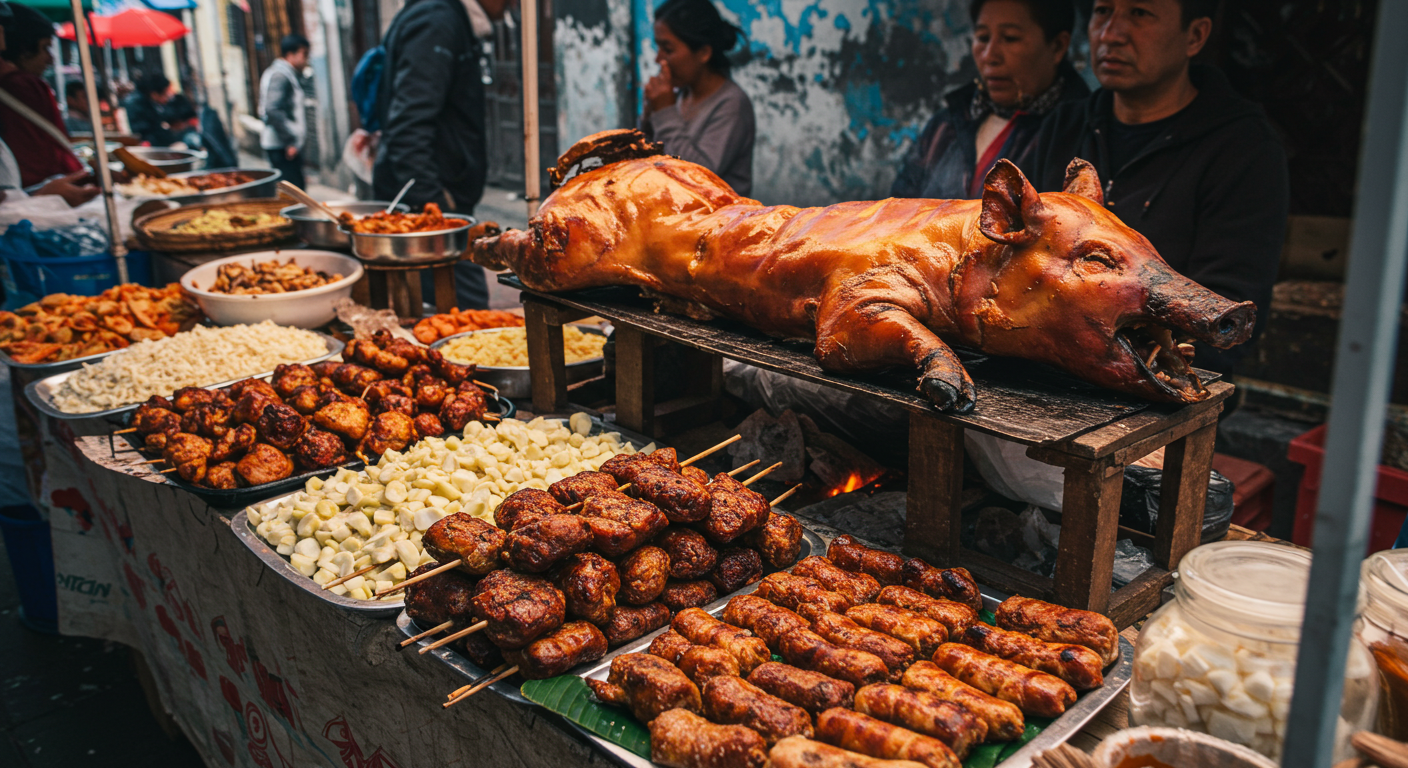
Every August 10, the southern Ecuadorian city of Loja opens its doors to one of the country's oldest commercial fairs, a weeks-long event known simply as the Feria de Loja. Merchants, farmers, and food vendors from across the province — and from neighboring Peru — converge on the city for a tax-exempt trading season that many locals describe as a highlight of the regional calendar.
The fair's timing is no accident. It coincides with the Romería de la Virgen del Cisne, a major Marian pilgrimage that draws thousands of devotees from across southern Ecuador to Loja each year. Between the religious devotion and the bustling market stalls, the fair has become both a commercial engine and a cultural touchstone for the province, marking what regional media often call the city's temporada alta, or high season.
The Bolívar Decree: History or Legend?
According to widely repeated accounts in local Ecuadorian outlets, including Diario Crónica, La Hora, and Hora32, the fair's tax-free status traces back to a decree signed by Simón Bolívar on July 28, 1829, in Guayaquil. Local reporting holds that the decree granted the fair its commercial privileges and exemptions, running annually from August 10 to September 12, and that this same decree helped shift elements of the Virgen del Cisne festivities toward Loja.
It's worth noting that this narrative rests primarily on regional news coverage rather than independently verified archival documentation. None of the sources reviewed provide direct access to the decree's original text or confirm its authenticity through primary historical records. Many observers in Loja treat the story as settled local history, repeated across generations and reinforced by tradition, but readers should understand it as a widely circulated historical claim rather than a fact confirmed through archival verification.
Hornado and Cuy: The Dishes That Sustain the Tradition
Whatever the precise origins of the decree, the fair's culinary identity is on far firmer ground. Hornado — slow-roasted pork cooked whole over wood fire until the skin turns deep golden and crackling — is an emblematic dish of the event, sold from stalls where the meat is carved to order and served alongside mote (hominy corn), llapingachos, and fresh salsa.
Cuy, or roasted guinea pig, holds an equally central place. A staple of Andean cuisine for centuries, cuy is typically spit-roasted whole and served at fair stalls as a delicacy tied deeply to regional identity. For many visitors, sampling hornado and cuy is as much a part of the Feria de Loja experience as the shopping itself.
Food commerce extends beyond the plate. The fair has long served as a point of cross-border trade with Peru, with vendors bringing goods to sell alongside local producers, reinforcing Loja's role as a commercial hub near the frontier.
A Living Tradition Near Two Centuries Old
Regional outlets frequently describe the fair using the framing of "194 años de tradición," emphasizing its long, largely unbroken continuity. Year after year, the fair and the Romería de la Virgen del Cisne unfold together, blending commerce, food, and religious devotion into a single annual rhythm for the province.
The devotional dimension has its own origin story. According to legend recounted by municipal and tourism sources, a severe drought struck the region around 1594, and the apparition of the Virgen is said to have brought relief — a story treated locally as cherished folklore rather than documented history. This legend, alongside the Bolívar decree narrative, forms part of the broader cultural memory that Lojanos draw on each August.
Together, the tax exemptions, the roast pork and guinea pig stalls, and the pilgrimage crowds give the Feria de Loja its distinctive dual identity: a marketplace rooted in centuries-old commercial privilege, and a cultural and religious celebration that continues to define the city's most anticipated season.