ITA, La Chichería, and Café Libre: Cuenca's Three Newest Restaurants Champion Female Farmers and Local Plants
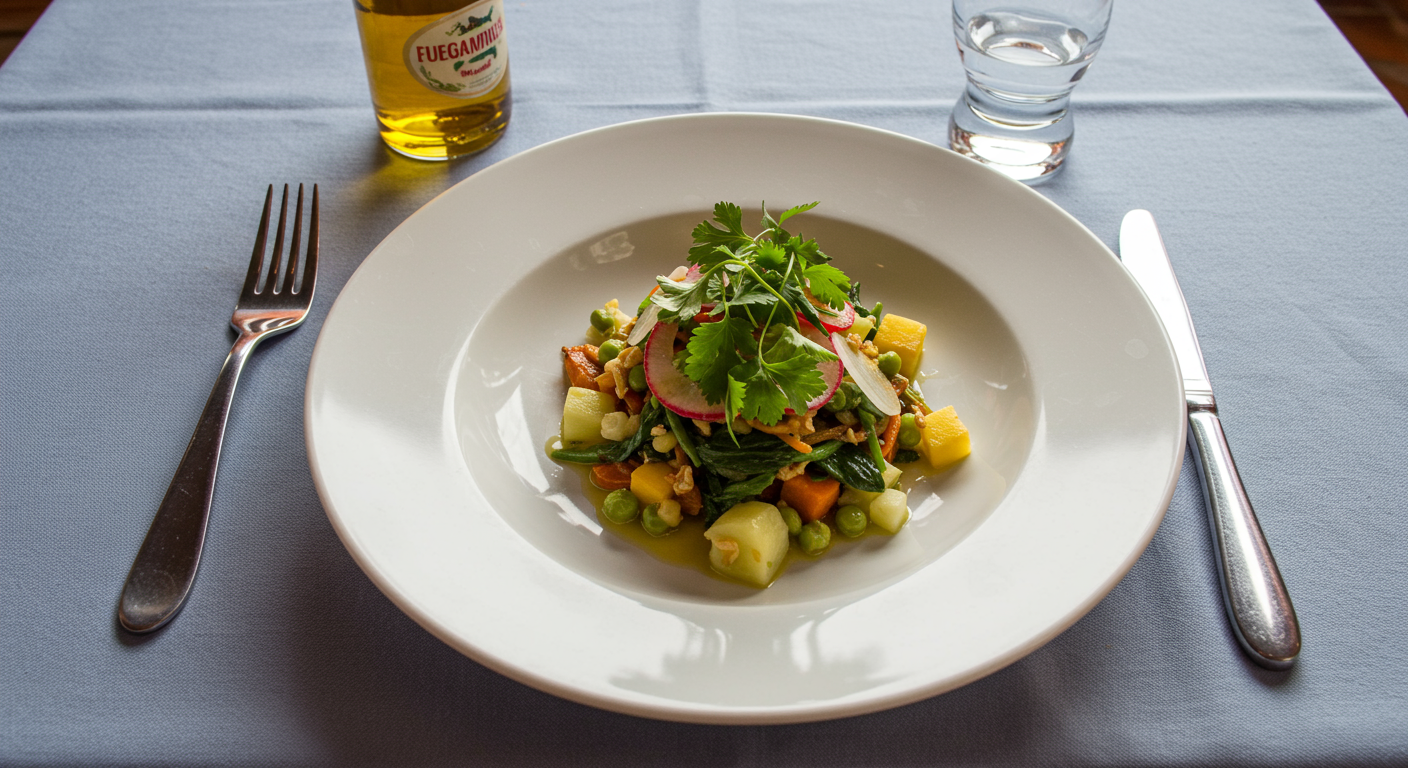
A quiet revolution is brewing in Cuenca's dining scene. Three newly opened restaurants—ITA, La Chichería, and Café Libre—are redefining what it means to eat locally by supporting female farmers and celebrating Ecuador's rich botanical heritage through innovative menus that tell the story of the land.
This emerging movement represents more than just farm-to-table dining. These restaurants are creating direct partnerships with women agricultural producers while introducing diners to forgotten flavors and traditional ingredients that have sustained communities for generations.
ITA: Where Botanical Meets Beautiful
ITA has positioned itself as a pioneer in botanical cuisine, where every dish showcases Ecuador's incredible plant diversity. Rather than simply sourcing locally, they've built meaningful relationships with female farmers who specialize in cultivating native plants and herbs that many modern kitchens have overlooked.
The menu changes seasonally to reflect what their partner farmers are harvesting—think amaranth leaves, heritage quinoa varieties, and wild Andean herbs. Their signature dishes demonstrate how traditional ingredients can shine through contemporary cooking techniques while honoring their cultural roots.
Working directly with female farmers has enriched the restaurant's understanding of ingredients, as these women often possess generations of knowledge about plant cultivation, optimal harvesting times, and traditional preparation methods passed down through families.
La Chichería: Reviving Indigenous Food Traditions
Named after the traditional fermented corn beverage chicha, La Chichería focuses on reviving indigenous food culture while supporting the women who maintain these ancient practices. The restaurant serves as both dining destination and cultural bridge, connecting urban food lovers with rural agricultural traditions.
La Chichería sources native corn varieties, wild greens, and medicinal plants directly from women's agricultural cooperatives throughout the surrounding provinces. Their menu features dishes that would feel familiar to pre-Columbian communities, prepared with techniques that honor traditional methods while meeting modern culinary standards.
The restaurant's mission extends beyond the plate—a portion of profits supports educational programs for female farmers, helping them access new markets and improve agricultural practices while preserving traditional knowledge.
Café Libre: Community-Centered Sustainability
Café Libre operates as both restaurant and social enterprise, taking a community-focused approach to sustainable dining. Their model creates guaranteed markets for female farmers while educating diners about the benefits of supporting local agriculture.
The café serves coffee sourced directly from women-owned farms, alongside meals prepared with vegetables, fruits, and herbs grown by their partner farmers. They maintain complete transparency about sourcing, often featuring farmer profiles and seasonal ingredient stories on menus and social media.
What makes Café Libre special is their commitment to fair pricing—they pay farmers above-market rates and maintain long-term contracts that provide income stability, allowing these women to invest in improving their operations and expanding their farms.
The Women Powering the Movement
Behind these restaurants' success lies a network of female farmers and agricultural producers who blend traditional knowledge with innovative growing practices. Many serve as primary income earners for their families, using farming techniques passed down through generations while adapting to modern market demands.
These partnerships have opened new doors for women in rural areas around Cuenca, where agriculture has traditionally been male-dominated in terms of market access and decision-making. By working directly with restaurants, these women bypass middlemen and receive better prices while building relationships that extend far beyond simple transactions.
The farmers involved often specialize in heritage crop varieties and native plants that commercial agriculture has largely abandoned. Their deep knowledge of seasonal growing cycles, traditional preservation methods, and culinary uses of wild plants has become invaluable to chefs seeking authentic local flavors.
Transforming Cuenca's Culinary Identity
The impact of these three restaurants ripples throughout Cuenca's food landscape. They're proving that sustainable, locally-sourced dining can be both profitable and culturally meaningful, inspiring other establishments to rethink their sourcing practices.
This farm-to-table movement also contributes to biodiversity preservation. Restaurant demand for heritage varieties and native plants encourages farmers to maintain crops that might otherwise disappear from cultivation. Seasonal menus help diners reconnect with natural growing cycles and appreciate the true flavors of fresh, locally-grown ingredients.
For Cuenca's dining scene, these restaurants represent evolution beyond copying international trends toward creating a distinctly local culinary identity that honors regional agricultural heritage while supporting sustainable economic development.
The model they've created—combining social responsibility, environmental sustainability, and culinary innovation—offers a template that could be replicated throughout Ecuador and beyond, proving that exceptional food and good intentions can thrive together in today's competitive restaurant landscape.