Is Farm-to-Table Common in Ecuador? Yes, but Usually Without the Label
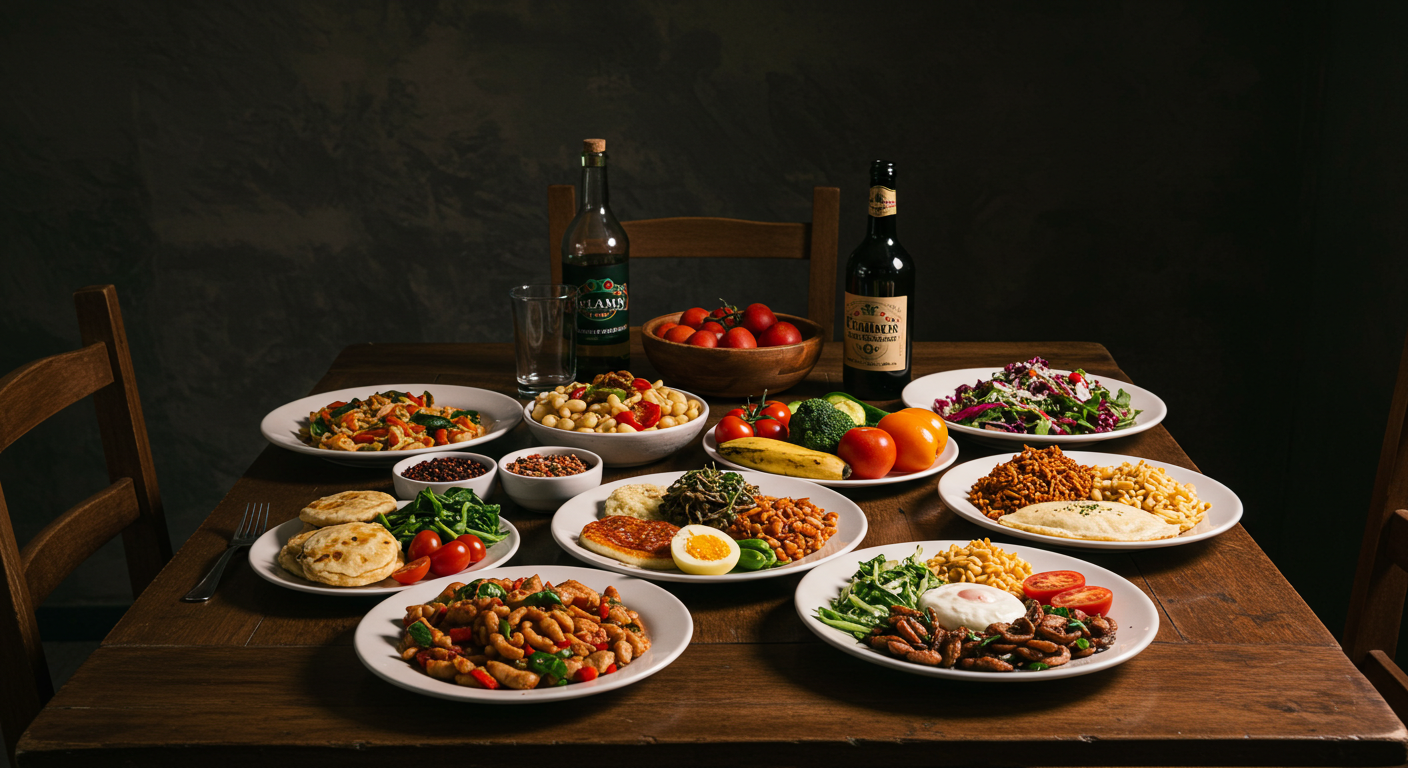
Yes, farm-to-table exists in Ecuador, but it is not the best label for the country’s entire restaurant scene. A more accurate way to put it is that Ecuador is often local by tradition, while farm-to-table is a more selective modern identity.
In practice, many Ecuadorian meals already reflect the qualities diners associate with farm-to-table: fresh ingredients, strong regional character, and relatively close connections between cooks, markets, and producers. What is less common is seeing restaurants formally describe themselves that way or spell out a detailed sourcing philosophy on the menu.
Why the Idea Fits Ecuador So Well
Ecuador’s geography gives it a clear advantage. The coast, highlands, Amazon, and island ecosystems support a wide range of produce, seafood, grains, tubers, herbs, and traditional ingredients. That diversity makes it easier for restaurants to build menus around nearby food instead of relying entirely on long-distance supply chains.
For diners, this usually shows up as freshness and regional character rather than as a marketing slogan. A restaurant may feature local corn, potatoes, cacao, plantains, herbs, trout, shellfish, or seasonal fruit without ever calling itself farm-to-table. Even so, the conditions that support that style of cooking are clearly there.
Traditional Food Culture Was Already Close to the Source
One reason this question is tricky is that Ecuadorian food culture was already close to the source long before farm-to-table became a global restaurant phrase. Regional cooking has long depended on what grows well locally, what arrives in public markets, and what nearby producers can supply.
That means the concept can be common in practice even when the term itself is not. In many parts of Ecuador, neighborhood markets, daily shopping habits, and regional specialties naturally create shorter food chains than diners might expect in more industrialized food systems.
Where You’re Most Likely to See Explicit Farm-to-Table Messaging
If you are looking for restaurants that openly emphasize sourcing, seasonality, or producer stories, you are most likely to find them in chef-led urban restaurants, boutique hotels, eco-lodges, and tourism-oriented dining spots. These businesses are often more likely to talk directly about local farms, native ingredients, artisanal production, or menus that change with availability.
In larger culinary hubs and destinations with active tourism, the language of sustainability, local sourcing, and biodiversity tends to be more visible. That does not mean most restaurants in Ecuador operate under a formal farm-to-table model. It simply means the concept is most clearly expressed in places where chefs and hospitality brands actively communicate that identity.
The Role of Markets, Small Producers, and Biodiversity
Public markets and small-scale producers remain central to everyday food life in Ecuador. That matters because farm-to-table is not only about restaurant branding; it also depends on whether a food system can reliably connect cooks with local ingredients. In Ecuador, those connections are often reinforced by market culture, regional agriculture, and long-standing culinary traditions.
The country’s biodiversity strengthens this pattern even more. Traditional ingredients and regional specialties give cooks a broad pantry that naturally aligns with farm-to-table values such as seasonality, locality, and a distinct food identity. In that sense, Ecuador’s food culture supports the concept through real conditions on the ground, not just through trend-driven marketing.
What “Common” Should and Shouldn’t Mean Here
It would be misleading to say that most restaurants in Ecuador advertise direct farm relationships or offer fully traceable sourcing as a standard practice. That is not the strongest conclusion supported by the available evidence.
But it would also be misleading to suggest that farm-to-table is rare or out of place. Ecuador has unusually strong conditions for this style of dining: local ingredients, regional cuisines, market traditions, and a visible appreciation for biodiversity and small producers. So the best answer is that farm-to-table is present, easy to find in the right places, and becoming more visible, but it is not universal and not always labeled that way.
Bottom Line for Diners
If you are dining in Ecuador, you can absolutely find meals that reflect farm-to-table values. The smartest approach is not to look only for the phrase itself. Instead, pay attention to seasonal menus, regional specialties, market-driven cooking, chef notes about sourcing, and restaurants that highlight local ingredients or traditional products.
In short, Ecuador is often local by tradition and selectively farm-to-table by branding. That makes the experience real for diners, even when the label is not everywhere.